Indian reservation
The Power of the Dog (Thomas Savage Edition)The Indian reservation is both a product of the valley’s forced Indigenous displacement and the setting for the restrictions that continue to confine its people. Its distance from their ancestral land is measured not only in miles but in rules: Edward Nappo and his son can remember the country to the north, yet their attempt to reach it ends at a private gate and sends them back toward the reservation.
Establishment and Setting
The reservation receives the last Indigenous people driven from their valley lands after the government ceased treating treaties as meaningful. The account links that change to the growing value of the land and the political power of white voters: officials had less reason to fear Indigenous resistance than to fear voter anger. The displaced people are sent to the arid flats of southern Idaho, a place Edward Nappo remembers as having severe winters, poor soil, few trees, and unpleasant well water.
This relocation makes the reservation more than a distant place of residence. It marks the separation of families from the land their ancestors inhabited. Edward’s memories of the northern country—its fields, mountains, and his father’s grave—contrast with the difficult conditions of the family’s life on the flats.
Rules and Administration
The reservation is governed through restrictions on movement and resources. Alcohol may not be sold or consumed, firearms are prohibited, and residents may not leave without a permit. Permits are granted only for pressing reasons; the account notes that officials assume residents have nowhere to go and no one elsewhere to shelter them. Meat is distributed through the government store, making the prohibition on firearms part of a wider system controlling access to food.
The Indian agent lives in a carefully maintained house and enforces reservation rules selectively, particularly when officials from the Department of the Interior are expected. His household’s scrupulous observance of flag protocol contrasts with this discretionary administration: the government’s symbols are tended with care, while the rules governing Indigenous movement and daily life remain instruments of control.
Edward Nappo’s Attempt to Return
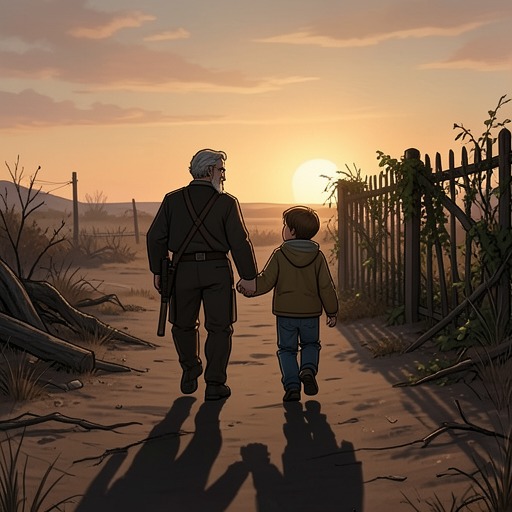
When Edward’s son is twelve, a long, severe winter brings deaths among older residents. During the illness of the family’s cow, Edward tells the boy more about the land to the north and the boy imagines the place where his grandfather was chief and is buried. When summer comes, Edward acts on a promise he had made to himself and his son: they leave before dawn without reporting their plans to the agent, whose intervention they fear might prevent the journey.
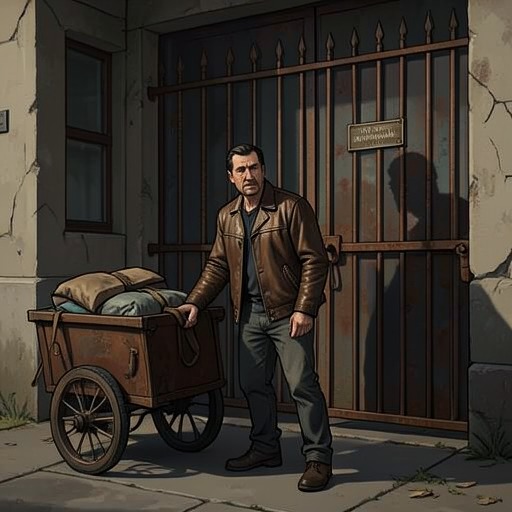
The two travel in an old cart with a tired horse, walking much of the way and riding when an approaching automobile raises the dust. Their destination is Edward’s father’s country, but at a gate they cannot remember, Phil Burbank refuses to let them stay, even briefly, so the horse can rest. Edward offers a box of gloves, but Phil refuses it and orders them away. Father and son turn back toward the reservation, two hundred miles distant. Edward tries to preserve something from the failed journey by telling the boy that they have seen his father’s mountains, even as he acknowledges that he could not secure permission to remain.
Narrative Significance
The return journey exposes the difference between formal mobility and actual freedom. A permit system makes leaving the reservation conditional, while the private ranch boundary supplies another barrier once Edward and his son reach the land they hoped to revisit. Their family memory gives the journey its purpose, but it cannot overcome the power of those who control access to the land.
The returning cart is later noticed by Rose Burbank as it travels along the road, a brief sighting that places Edward and his son within the wider life of the ranch. The episode gives the reservation a continuing presence in the novel: displacement is not confined to a past act of removal, but shapes where people can go, what they can reclaim, and how far ancestral memory can carry them.