The Inn · Red Mill
The Power of the Dog (Thomas Savage Edition)The Inn / Red Mill is a six-room hotel in Beech whose uses and reputation change around the Gordon family. It begins as an abandoned building that schoolchildren regard as haunted, becomes the home of Johnny Gordon’s medical practice, and later earns a living as an eating house and roadside stop. Its story binds the private history of the family to the uncertain economy of Beech, while the building’s changing public identity shows how rumor can outlast—and distort—the event that gave rise to it.
Building and Early Reputation
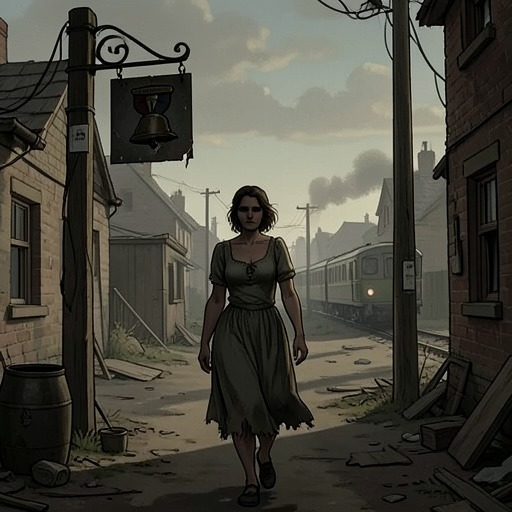
The hotel’s six small, identical rooms occupy the second floor. Each has an iron bed, a washstand, a closet, and a neatly coiled rope beside the window, provided in case of fire. Long abandonment lends the place its first identity: schoolchildren claim to have seen lights and faces in its windows, and one of the bolder children throws a stone through an upper window and reports hearing a scream. At night, moonlight on the weathered brown clapboards picks out the bright windows and the bleached deer horns above the sign, making the building seem especially uncanny.
In sunlight, however, the same structure appears solid and innocent. A windmill rising from the roof of the shed behind it gives the property a practical aspect. That contrast—haunted in local imagination, usable in daylight—anticipates the Inn’s later career as a place where fact and reputation continually compete.
Johnny Gordon’s Practice and the Family Business
Johnny sees the property as a way to support two undertakings at once: he can establish his medical practice and potentially run the hotel as an inn. The bank in Herndon owns the building, and he soon reaches an agreement to acquire it. An inheritance from the aunt who had wanted him to study medicine covers the initial payment and buys the secondhand Ford he needs for his medical rounds. What remains helps furnish an office in one of the upstairs rooms, where a clever metal chair can be folded into an examination table and a human skeleton stands in a glass case.
The exterior also announces the practice. Johnny sets a post and crosspiece in the ground and hangs a sign he has planed, sanded, and painted, attaching it with four eye screws so it swings freely. Beside the building, Rose plants California poppies, one of the few flowers said to thrive in the area’s sour soil. The sign gives the place a professional identity; the flowers and the carefully prepared rooms show the labor invested in making the property welcoming.
That work does not make the practice prosperous. Johnny treats people injured by saws or kicked by farm animals, attends births, and accepts that patients will pay when they can. Meanwhile, the hotel’s passing salesmen and occasional cattle buyers provide the money that pays the bills. The arrangement makes the Inn more than a backdrop to Johnny’s career: it is part of the fragile household economy that keeps his medical work possible.
Suicide, Stigma, and Changing Use
After Johnny’s suicide at the Inn, neighbors and tourists begin to identify the building with the death. Rose runs it as an eating house, but the stories deter customers: diners imagine that the room where they eat may lie below the place associated with the tragedy, and the building becomes a screen for their own unease about death and disappointment. The property’s practical value and its fearful reputation now pull in opposite directions.
As Beech’s marginal businesses fail or disappear, the Inn itself is painted red and renamed the Red Mill. The sign bearing Johnny’s name has weathered until it is unreadable, and the deer horns above the entrance fall in a storm. Inside, by contrast, the rooms remain desperately clean and the windows shine. The contrast preserves a trace of the household’s care even as the earlier identity of the building deteriorates.
The suicide also becomes local legend in competing, inaccurate versions. Some people say Johnny shot himself; others claim he took poison available to doctors; still others say he deserted Rose and Peter. The accounts replace one another as the event recedes from direct knowledge. The Inn’s association with Johnny survives, but increasingly as rumor rather than shared certainty.
Roadside Business and Narrative Significance
War and Prohibition reshape the Red Mill’s clientele. World War I draws attention toward the deaths of local men in France, while the suicide gradually passes into what the narrative presents as a misty realm of myth. During the period when saloons close, Rose buys a two-thousand-dollar player piano for ten dollars. Later, bootleggers race Hudson automobiles down from Canada, and drivers from Herndon stop at the Red Mill for food. The eating house offers chicken, steak, biscuits, salad, freshly made coffee, and music from the piano, including war-era tunes and later popular songs. The former hotel’s place in the community shifts from haunted lodging to a stop on the road.
The Red Mill’s success does not erase its history; it makes that history one more story attached to the business. Some customers know the old account, others arrive too late to hear it, and the building’s increasingly ordinary role as a place to eat competes with its reputation as the scene of a death. Through that gradual change, the Inn becomes a measure of Beech itself: a place where economic need prompts reinvention, while public memory preserves fragments of the past and alters them in the telling.