The Western Ranch Code of Masculinity
The Power of the Dog (Thomas Savage Edition)The Western Ranch Code of Masculinity defines manhood through visible toughness and repudiation of traits marked as feminine. In the novel, it is not merely a set of ranch skills: it shapes whom men ridicule, what they conceal, and how they present themselves. Phil Burbank both polices the code in others and remakes himself to satisfy it.
Standards and Enforcement
Phil treats perceived weakness as an invitation to attack. In a barroom, he humiliates the drunken town doctor, Johnny Gordon, who cannot resist liquor; Johnny kills himself a year later, after the humiliation has corroded him. Phil’s contempt also reaches beyond the doctor: he scorns a Jewish department-store owner who began as a hide buyer, a boastful boy with a bag of marbles, and an elderly Indigenous man. His insults make the code an instrument of social exclusion, directed at anyone he judges deficient, unfamiliar, or out of place.
Phil’s hostility toward men he calls effeminate is especially pronounced. He targets Peter Gordon, Johnny’s son, whose skill at making paper flowers marks him, in Phil’s eyes, as a sissy. The judgment reduces Peter to a gendered label while overlooking his serious curiosity about medicine and wild plants. In this way the code does more than prescribe conduct: it determines which abilities count as masculine and which are used to discredit their possessor.
Phil’s Performance of Toughness
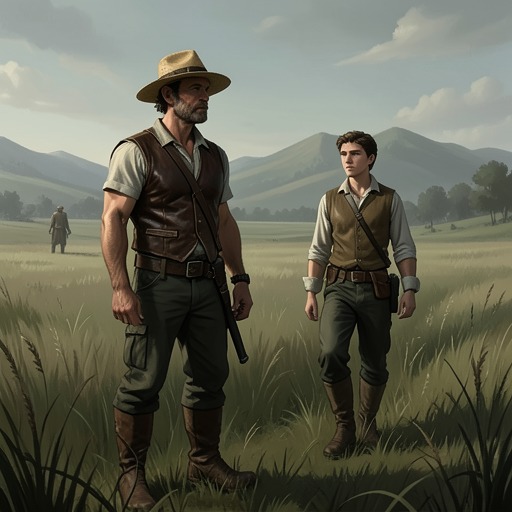
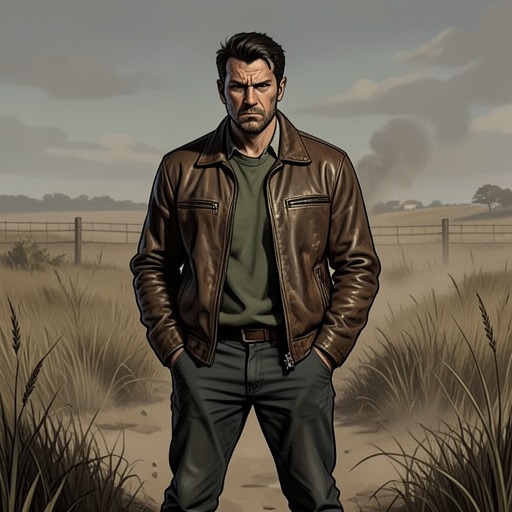
Phil’s own conduct shows that the ideal must be repeatedly performed. He cultivates a rough appearance, keeps himself dirty, speaks deliberately ungrammatically, and excels at conventionally masculine skills such as riding and braiding rawhide ropes. These outward signs make him difficult to mistake for someone he would condemn as effeminate; they also reveal how much effort goes into maintaining the identity the code rewards.
The narrative connects this performance to Phil’s awareness of his desire for Bronco Henry and to the hostility toward homosexuality in the cowboy world he inhabits. Phil responds by remaking himself as a manly, homophobic rancher. His cutting sarcasm functions as preemptive defense: by attacking first, he seeks to unsettle possible critics before they can turn judgment on him. The code thus operates inwardly as well as outwardly, compelling Phil to manage the possibility of being seen and condemned.
Consequences and Significance
Phil’s treatment of others demonstrates the damage the code can inflict. Johnny’s humiliation has a tragic aftermath, while Peter becomes a target because his paper-flower craft violates Phil’s narrow standard of masculinity. Phil’s contempt is also entangled with other forms of scorn: rather than sell his old hides to a peddler he associates with social-climbing Jews, he burns them. His rejection of the sale shows how pride in his own values can outweigh practical use, while extending his policing beyond gender to class and ethnic prejudice.
The code is therefore both a system of power and a source of vulnerability. It licenses Phil to humiliate those he deems weak, yet it also demands that he conceal any quality that could expose him to the same judgment. His roughness and aggression are not simply natural expressions of ranch life; they are repeated signs through which he secures a socially acceptable masculine identity. The contrast between that public performance and the desire he cannot openly acknowledge makes the code’s coercive force visible.