
The War on Drugs and Its Blowback
The Power of the DogThis thread traces how campaigns meant to suppress narcotics repeatedly reshape the trade, expand its reach, and transfer their costs to civilians.
increasing Bearing strength in each event
 decreasing
Bearing strength in each eventdecreasingCondor's Burning Fields
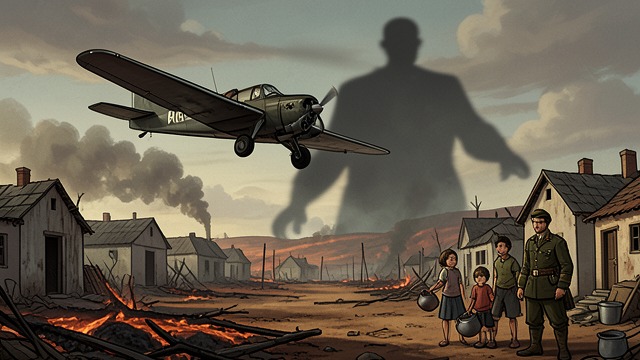
The Fields of Condor
A campaign of destruction
Operation Condor sends troops and aircraft into the poppy country of Sinaloa to poison fields and burn villages. Art Keller sees farmers driven from their homes and children carrying what they can save. The campaign's stated target is opium production, but its immediate damage falls on people whose lives are bound to the land.
A victory with another purpose
The assault also clears away older traffickers and weakens established rivals. Miguel Ángel Barrera uses the disruption to position a new organization above the surviving operators. The destruction therefore becomes not only a drug-enforcement action but an opening for a more adaptable criminal order.
The scene introduces the novel's recurring moral problem: a policy can claim success by counting destroyed crops while ignoring displacement, violence, and the system that grows stronger in the wreckage. The burned fields are an early warning that force against a market is not the same as eliminating the conditions that sustain it.
The Trampoline Takes Shape
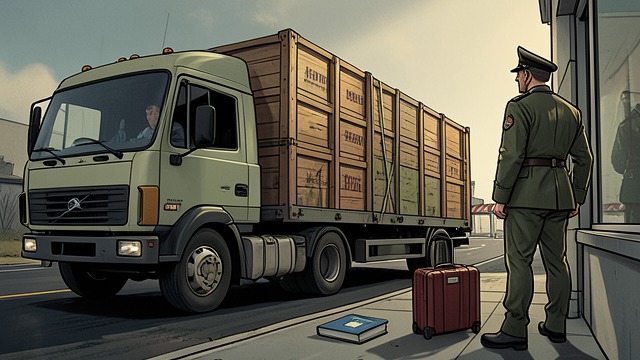
The Border as Commodity
From crops to passage
Years after Operation Condor, Art Keller watches cocaine move through Guadalajara while officials insist that Mexican trafficking has been defeated. The surviving operators have shifted from relying chiefly on local crops to selling access, protection, and transportation across the long border with the United States.
A profitable contradiction
The route described as the Mexican Trampoline carries cocaine from Colombia through Central America and Mexico into American markets. Each crackdown on one route raises the value of the routes left open, while official denial prevents a coherent response to the changing business. The border itself becomes the commodity: a product worth little on one side can command enormous value on the other.
The irony is structural rather than accidental. Enforcement does not simply fail to stop the trade; by increasing risk and concentrating control in organizations able to manage it, enforcement can make trafficking more lucrative and sophisticated. Art's evidence challenges a public story that the market has disappeared, but it also reveals how deeply institutional blindness helps that market operate.
Weapons Behind the War
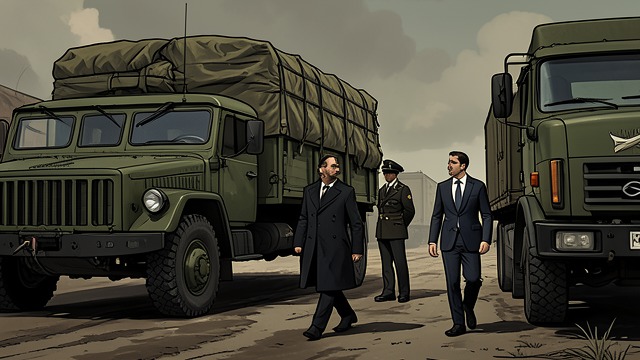
The Hidden Exchange
Drugs and armaments
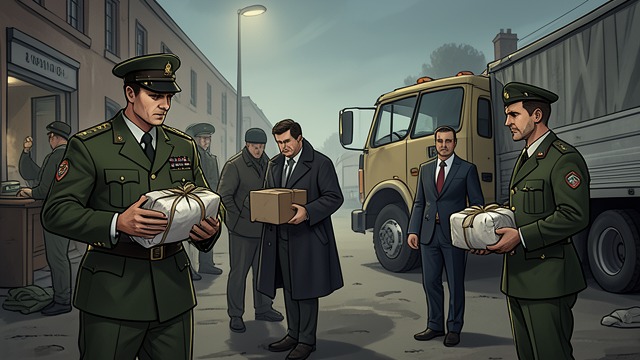
Art Keller follows a cocaine shipment and discovers a system in which drugs travel north while weapons travel south. The transfer links traffickers, covert operatives, and support for the Contras, turning the supposedly separate wars on narcotics and Communism into parts of one arrangement.
The moral double standard
The operation depends on official secrecy and political language that recasts illicit activity as necessary strategy. Men who condemn drugs in public accept trafficking when its profits serve a covert campaign. When Art later testifies, he conceals what he knows, allowing the scandal's central facts to remain obscure.
This thread complicates any clean distinction between lawful government and criminal enterprise. The same methods—secrecy, coercion, deniable intermediaries—serve both. The system can denounce the violence of the drug trade while relying on its money, then treat disclosure as a threat to national interest rather than an obligation to the public.
Trade as Cover
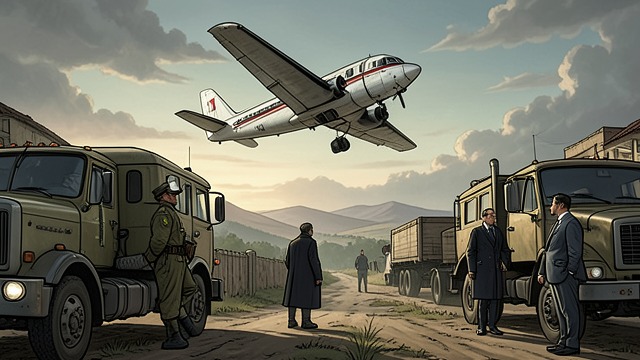
Free Trade's Shadow
A smoother corridor
When NAFTA takes effect, the movement of goods across the border becomes easier to justify as ordinary commerce. Adán Barrera expands transportation and distribution operations through aircraft, vehicles, boats, and couriers, using the same infrastructure that moves legitimate products to move narcotics.
The language of normality
The arrangement blurs the boundary between economic integration and criminal access. Traffickers exploit the volume and speed of cross-border trade, while public officials can present the resulting traffic as evidence of prosperity. The novel's phrase “North American Free (Drug) Trade” turns that contradiction into a bitter joke.
The point is not that trade itself creates trafficking, but that a system optimized for frictionless movement can be exploited by those with money, political access, and specialized logistics. Barrera's organization grows by learning to function inside modern commerce rather than outside it, making the drug economy harder to distinguish from the legitimate one it imitates.
The Next Supply War
A New Dependency
When supply falters
After the large Colombian cartels fracture, Adán Barrera must negotiate with smaller suppliers, and cocaine deliveries become less reliable. FARC controls important growing and transit areas, so Barrera makes an arms-for-cocaine agreement: one rifle for each kilo released from its territory.
Repeating the old bargain
The new deal brings the logic of covert war back into the drug business. Weapons are exchanged for access to a profitable crop, while competing armed groups fight over territory and civilians face defoliation, displacement, and massacre. Art Keller sees communities suffering under policies presented as both counterinsurgency and drug control.
The cycle has not been broken; it has migrated. A campaign against supply helps create new alliances and new routes, and each organization adapts to the pressure by changing partners or products. The trade survives because political and economic power repeatedly makes violence useful to someone, while the costs fall on people with the least ability to refuse.
1975, during Operation Condor
1984, after the official declaration that Mexico's drug problem is over
1985, during the discovery of Operation Cerberus
1994, as NAFTA takes effect
1997, when Colombian supply becomes unstable
