
The Parents and the Arrows
The ProphetThis flow follows parental love as it moves from closeness toward the difficult recognition that children have their own lives and futures.
increasing Bearing strength in each event
 decreasing
Bearing strength in each eventdecreasingThe Mother Asks
The Mother Asks
A Child Held Close
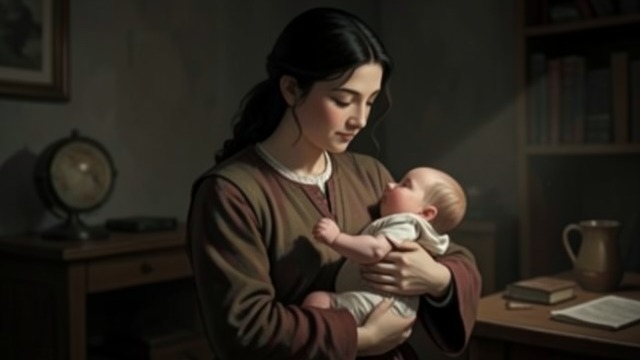
A woman with a babe against her bosom asks Almustafa to speak about children. The question begins from physical closeness and the desire to understand the relation between parent and child.
A Change in Perspective
Almustafa answers by challenging the assumption that a child belongs to the parent. His teaching redirects parental attention from ownership toward respect for another life.
Children Arrive Through Parents
Children Arrive Through Parents
Life Beyond Ownership
Almustafa describes children as sons and daughters of Life’s longing for itself. They come through their parents, but not from them, and remain with them without belonging to them.
Love without Control
Parents may give love, but not dictate their children’s thoughts. The distinction honors care while refusing to treat affection as a claim over another person’s inner life.
The House of Tomorrow
The House of Tomorrow
Futures Parents Cannot Enter
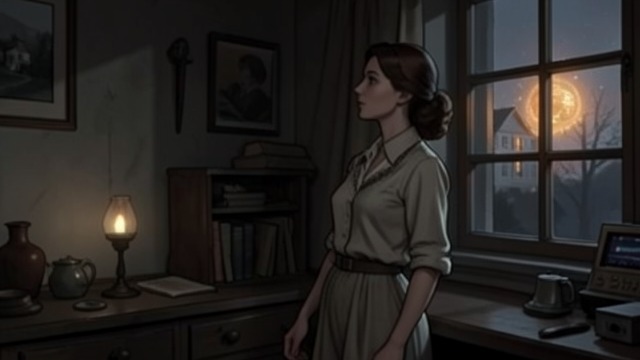
Almustafa says children’s souls dwell in the house of tomorrow, which parents cannot visit even in dreams. The future belongs to the young in a way their elders cannot fully anticipate.
Difference Allowed
Parents may strive to be like their children but should not seek to make the children like them. The teaching makes respect for difference part of love’s practical duty.
The Parent as Bow
The Parent as Bow
A Child Sent Forward
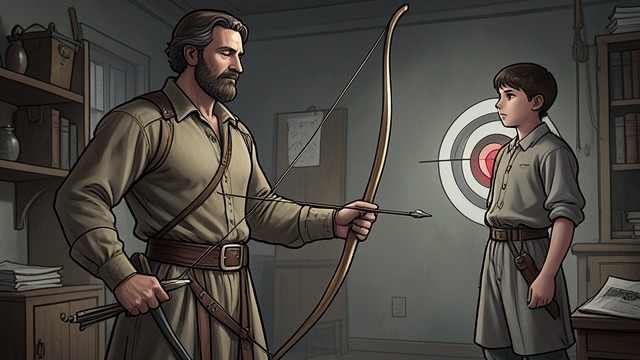
Almustafa compares parents to bows from which children are sent as living arrows. The archer sees a distant mark and bends the bow so the arrows may travel swiftly and far.
Strain Given Meaning
The parent’s bending may be painful, but Almustafa asks that it be met with gladness. The metaphor makes parental care a form of preparation for separation, not a method for keeping the child close.
The Arrow Takes Its Flight
The Arrow Takes Its Flight
Stability and Release
Almustafa says the archer loves both the arrow that flies and the bow that is stable. The parent has value not because the child remains near but because the bow has helped the child go forward.
Love Reimagined
The teaching resolves the parent’s question by joining attachment to release. A child’s independence does not make parental love meaningless; it gives that love a different purpose.
During the farewell teachings, after the marriage teaching
At the beginning of the children teaching
In the middle of the children teaching
During the final image of the children teaching
At the conclusion of the children teaching
