
The Gap Between Law School and Practice
The RainmakerRudy discovers that legal education explains doctrine more readily than client work, business survival, courtroom judgment, or the ethical compromises of practice.
increasing Bearing strength in each event
 decreasing
Bearing strength in each eventdecreasingAn Academic Clinic
First Contact with Clients
A Classroom Visit
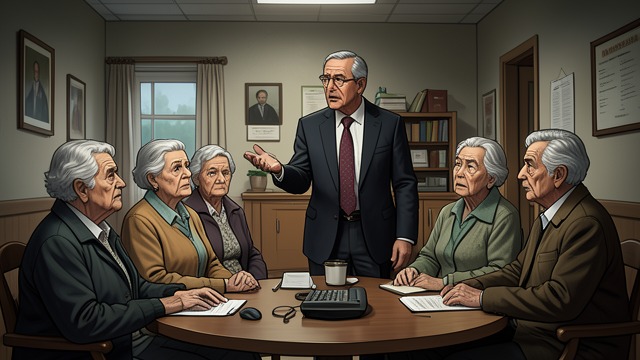
Professor Howard L. Smoot brings students to a senior center to hear legal questions. Rudy arrives expecting an easy course and discovers that clients expect answers, not academic discussion.
Inadequate Preparation
He knows rules about wills but has little confidence in applying them. The distance between knowing doctrine and counseling a person becomes immediate.
Learning by Rejection
The Market Teaches
Door after Door
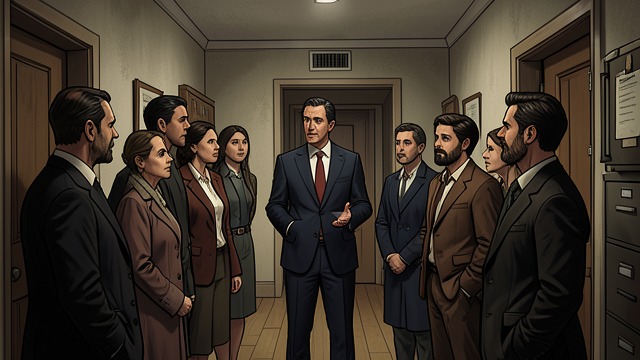
Rudy learns that firms can refuse even a qualified graduate without explanation. He offers to work cheaply and handle unwanted files, discovering informal hiring practices absent from lectures.
Survival Skills
Cold introductions, salary bargaining, and persistence become part of his education. The profession rewards access and confidence as much as classroom achievement.
The Hospital as Classroom
Practice without the Romance
Finding Clients
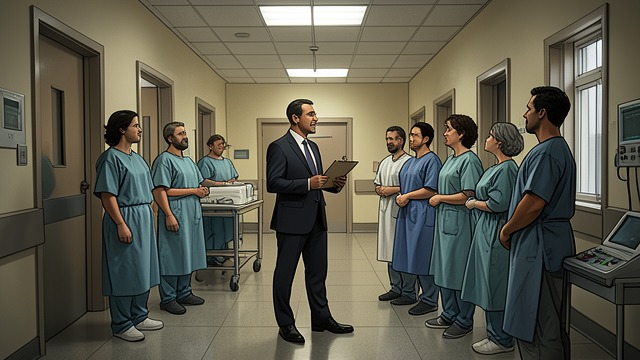
Deck takes Rudy to a hospital to sign an injured man before another lawyer does. The hurried pitch contrasts with Rudy’s law-school lessons about ethical practice.
A New Vocabulary
Rudy learns contingency fees, case generation, and the routines of personal-injury work. He is no longer studying law from a safe distance; he is helping sell it.
The First Trial
Learning in Public
A Rookie at Counsel Table
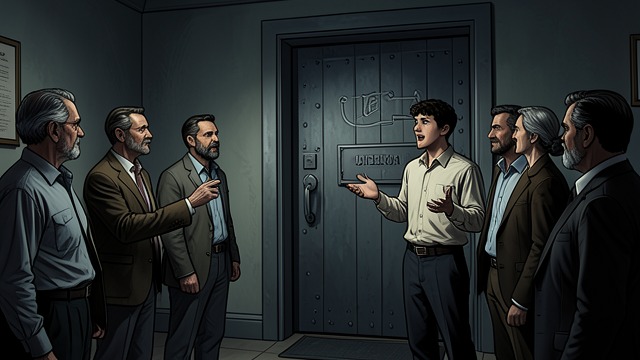
Rudy faces Leo F. Drummond and an experienced corporate team while trying a case for the first time. He relies on preparation, clear storytelling, and the judge’s management of the proceedings.
Skill through Stakes
The trial forces him to turn research into live questions, witness control, and argument. His education becomes useful only when it is tested in front of jurors.
A Career Reconsidered

Refusing the Expected Future
Success Does Not Settle Him
The verdict gives Rudy status but not secure money, and violence has made his professional life more dangerous. He does not experience winning as proof that the profession suits him.
A New Direction
Rudy decides to leave the law and considers teaching history. The choice reverses his youthful ambition and treats a different kind of work as a meaningful future.
during the final law-school course
after the merger costs Rudy his job
after Rudy joins the Stone firm
nine months after Rudy graduates
as Rudy leaves Memphis
