
Corporate Power and Individual Accountability
The RainmakerThe novel contrasts the resources of insurance companies with the limited leverage of ordinary people, then asks whether litigation can make institutions answer for harm.
increasing Bearing strength in each event
 decreasing
Bearing strength in each eventdecreasingPremiums Collected Weekly
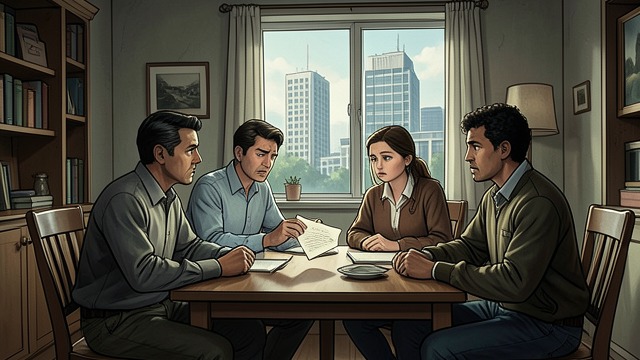
Small Payments, Large Promises
A Household Investment
The Black family pays modest premiums week after week, treating insurance as protection against catastrophe. The policy’s importance lies in the safety it promises, not its price.
An Unequal Contract
The insurer writes dense terms and controls the claims process. Policyholders like Dot must interpret the contract only after they need its protection.
A Company Counts on Silence

Risk Calculated from the Poor
Expected Abandonment
Great Benefit’s approach assumes most customers will accept denial letters rather than hire lawyers. The company’s advantage depends on the cost of challenging it being greater than the claim.
A Social Pattern
The case suggests that insurance wrongdoing can persist not because every customer agrees, but because many cannot afford to resist. Rudy’s lawsuit makes that hidden inequality visible.
Resources at Counsel Table

Unequal Litigation Capacity
A Corporate Machine
Tinley Britt deploys several experienced lawyers, researchers, and extensive paperwork. Rudy and Deck operate with few books, no large staff, and tight finances.
The Court as Counterweight
Kipler’s fast-track orders and sanctions constrain the company’s ability to postpone or conceal. Judicial supervision cannot eliminate inequality, but it changes which side controls the timetable.
Punitive Damages Explained

Making Punishment Legible
A Personal Comparison
Rudy asks jurors to imagine a fine measured against an individual’s savings, then apply proportional reasoning to Great Benefit’s wealth. The analogy turns an abstract legal remedy into a question of consequence.
Beyond Compensation
Actual damages would cover the lost treatment cost, but punitive damages address conduct designed to profit from denied claims. The argument asks whether the company must feel a meaningful cost.
A Broken Remedy

Accountability without Assets
The Financial Shock
Investigators discover that PinnConn has shifted funds away from subsidiaries. Great Benefit files for bankruptcy shortly after the verdict.
Justice’s Limit
The jury can condemn wrongdoing, but it cannot pay a judgment from money that has vanished. The ending refuses the easy equation of a large award with a repaired life.
during the years before Donny Ray’s illness
during Great Benefit’s 1991 experiment
during discovery and trial preparation
during Rudy’s closing argument
after the parent-company raid
