Dot Black
The RainmakerDot Black is the mother of Donny Ray Black and the force at the center of the case against Great Benefit Life Insurance Company. A working-class woman in Granger with limited means and no previous experience with lawyers, she has spent months trying to obtain treatment for her son through a policy whose premiums the family paid without fail. Her refusal to accept the insurer’s denials or be bought off turns a private family crisis into a public fight over corporate accountability—and gives Rudy Baylor a client whose purpose is larger than a settlement.
Identity and Circumstances
Dot introduces herself as Marvarine Black, though she says everyone calls her Dot. She is fifty-eight and receives Social Security Disability because of a heart condition; her husband, Buddy Black, receives a small pension. At their first meeting, she does most of the talking while Buddy listens quietly. She describes his lasting effects from a war injury and his drinking, matters she connects to his withdrawal from family life. Later, she explains that he spends much of each day in the family’s old Ford Fairlane, away from the house and the distress surrounding Donny Ray’s illness. These details establish the limits of the family’s resources and the uneven burden Dot carries: she manages the household’s dealings with outsiders while trying to care for both her husband and her son.
The Blacks live in a modest home in Granger. Their circumstances are defined by close finances, not by a lack of effort: Dot says they never missed an insurance premium, and she had repeatedly read the policy and the insurer’s letters herself. Before Donny Ray became ill, she had never used a lawyer. She initially expected the company to honor its promise and kept corresponding with it after the first refusal, believing that persistence and years of regular payments would be enough. Only after the denials continued did she seek legal help. The delay becomes a source of regret, but the narrative makes clear that it grew out of trust in the policy and unfamiliarity with legal remedies, not indifference to her son’s needs.
The Insurance Dispute
Five years before the case begins, the family bought a medical policy from Great Benefit Life Insurance Company for their sons. Donny Ray and Ronny Ray Black are identical twins, and Ronny Ray is a medically suitable bone-marrow donor for his brother. Donny Ray develops acute leukemia; according to Dot, doctors identify the disease in August and say a transplant could offer treatment, but the procedure would cost about $150,000. The family cannot pay that amount themselves. Dot believes the policy covers the treatment and sees no provision ending Donny Ray’s coverage when he becomes an adult, though the company invokes his age in refusing the claim.
The insurer offers several different grounds for denial. One letter says the leukemia was preexisting, although Dot dates its diagnosis years after the policy began. Other correspondence relies on exclusions and fine print, which she has searched without finding a transplant exclusion. The company’s eighth and final denial is not merely a formal refusal: it insults Dot, calling her stupid for continuing to pursue the claim. The letter makes the dispute impossible to treat as a technical disagreement alone. It shows the contempt embedded in the claims process and becomes a particularly potent piece of evidence in the litigation.
When Rudy Baylor visits the family home, Dot has been waiting on the porch. She tells him that Donny Ray has good and bad days, and that Buddy is outside in the Fairlane. She accepts Rudy’s advice to sue, but does not mistake the decision for a quick rescue. Rudy warns that a large corporation can prolong litigation for months or years; Dot answers that her son may have only months. Once the suit is filed, the family is impressed by its large damages figures and by the fact that it has formally challenged the company. Dot’s focus, however, is not the promise of a windfall. She wants the insurer to answer for refusing treatment when it might still have helped her son.
Motherhood, Grief, and the Settlement Decision
Dot’s devotion to Donny Ray is practical as well as emotional. She brings him into discussions of the case and insists that he be included in the legal representation because he is an adult. When Buddy will not come inside to sign the contract, Donny Ray tells her to take the papers out to him. Dot goes through the yard to obtain his signature, following her son’s instruction despite the strain of managing the family’s arrangements. This scene makes Donny Ray a participant in decisions about his own case, not simply the subject of them.
As his condition worsens, Dot’s role shifts from pursuing treatment to confronting what cannot be repaired. Before a hearing, Rudy tells her that Great Benefit has offered $75,000. Dot immediately understands the offer as an attempt to buy an end to the case after the opportunity for a transplant has passed. She objects that the money cannot give Donny Ray the treatment he needed. In his room, she discusses the offer with him while holding his hand. The possibility of using a settlement to pay off the house or replace the family car does not persuade her; she does not want the insurer’s money as a substitute for her son’s life.
Rudy explains that he cannot settle without her approval. Donny Ray asks whether the company might offer more and considers what his parents could do with their share. Dot remains opposed. Her position is not simply a rejection of money in the abstract: the proposed payment comes too late to accomplish the purpose for which the insurance was bought. Rudy, for his part, chooses not to exploit her fear of losing the case to secure a fee. The exchange establishes the ethical and emotional terms of the lawsuit: the clients’ interests cannot be reduced to what a settlement would pay their lawyer.
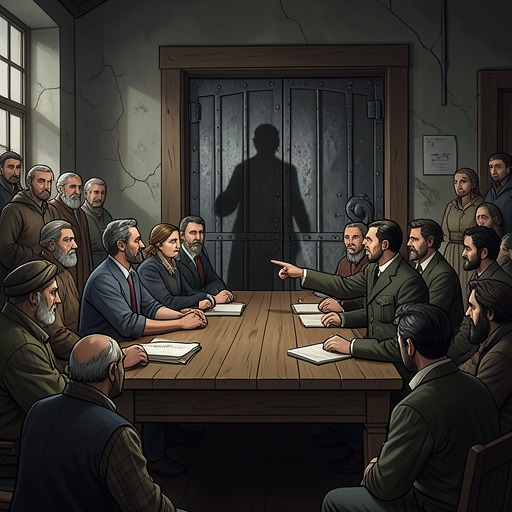
After Donny Ray dies, Dot’s anger and grief coexist with a determination to continue. She tells Rudy she wants Great Benefit out of business. In the courtroom, she reads the insulting denial letter to the jury. On cross-examination, she explains that she bought the policy to protect her family, not because she anticipated a transplant. When asked why she sued for $10 million, she responds that the company has vastly greater resources and that its conduct cost her son his life. She says that if the jury awards the requested money, she will give every penny to the American Leukemia Society. Her testimony makes clear that she is not pursuing personal enrichment; it also turns the damages claim into a demand that the company’s conduct be judged publicly.
Testimony and Public Accountability
Dot’s deposition tests her endurance. She sits through a long examination by Leo F. Drummond, with Judge Tyrone Kipler supervising. The session lasts six and a half hours. Dot is nervous and takes frequent breaks, using them to pace herself as the questioning continues. When she hands over the final denial letter, Drummond’s reaction indicates that he has not previously seen it. Judge Kipler stops the deposition to warn him and Great Benefit against concealing documents. Dot has not created the discovery dispute, but her evidence brings it into the open and prompts a direct judicial warning.
At trial, Dot’s testimony supplies both the policyholder’s experience and the case’s moral center. Her willingness to give any award to a leukemia charity undercuts the suggestion that she is seeking a personal fortune. Her bearing also resists the polished defense narrative: she does not present herself as a sophisticated claimant, but as a mother who wanted the coverage promised to her family and who kept asking for help after the company refused. The jury laughs at a later defense witness’s insistence that the claim was handled fairly, a response that reflects how far the trial has moved the case from Great Benefit’s account of routine administration.
When the jury returns its verdict, Dot cries as the result is announced. The award is the largest in Tennessee history, but the moment is not a simple triumph. In the courtroom she is overwhelmed by grief, and Rudy holds her hand while Deck Shifflet sits beside them. The scene returns the legal victory to its human measure: Dot has won recognition of the wrong, but no verdict can restore Donny Ray.
Consequences and Significance
The award does not ultimately provide the family with the compensation it sought. Great Benefit goes bankrupt, and Rudy later tells Dot that, absent a distant miracle, they will receive nothing. She takes the news with a strikingly different response from the disappointment Rudy expects. She is pleased by the thought that her case helped put the company out of business and plans to tell Donny Ray at his grave. That belief gives her a measure of satisfaction, but it does not reverse the financial failure of the lawsuit or erase the loss that initiated it.
Dot’s arc connects the novel’s procedural battles to the consequences of delay and unequal access to legal help. Her family paid its premiums, but she did not know how to force the insurer to honor the policy and spent months trying to resolve the matter through correspondence. Once Rudy takes the case, the contested documents, the insulting final letter, and her testimony make visible what a claim file might otherwise conceal. Dot is neither a lawyer nor a professional advocate; her authority comes from having lived through the denials and from refusing to let a late offer redefine what justice would mean.
Her insistence on accountability also distinguishes a legal result from a practical remedy. The jury’s verdict vindicates her account, yet Great Benefit’s bankruptcy leaves the family without the recovery that could have funded treatment or eased its financial hardship. Dot remains the case’s clearest measure of both what litigation can expose and what it cannot undo: the company is publicly condemned, while the son for whom she sought help is still gone.