Dot Black–Donny Ray Black mother-son relationship
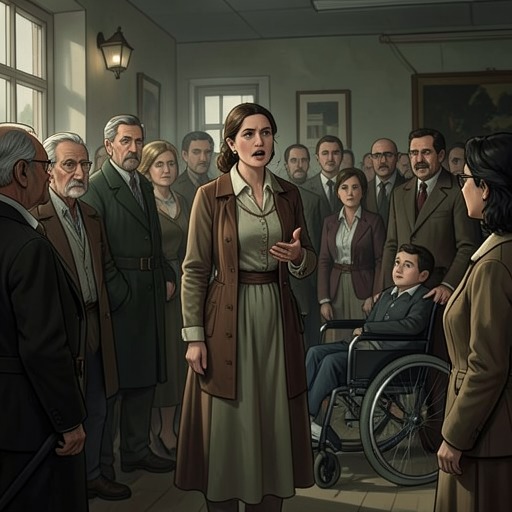
The RainmakerDot Black’s bond with Donny Ray appears through the work of caring for him and fighting to secure treatment when he can no longer obtain it through the family’s insurance. In her account, the stakes are bodily and immediate: Donny Ray is dying, his twin is a potential match for a bone marrow transplant, and the family cannot afford the procedure without Great Benefit Life Insurance Company. The scene presents Dot as the person carrying that appeal into a room of strangers, while also showing how much of her son’s experience remains beyond their view.
Identity and Circumstances
Dot describes Donny Ray as one of her two identical twin sons. She and her husband, Buddy Black, bought a medical policy from Great Benefit Life Insurance Company five years earlier, when their boys were seventeen, and she says they never missed a premium. Until Donny Ray became ill, the family had not used the policy. The case that brings her to seek legal help is therefore not an abstract dispute: it concerns coverage she believes the family paid for and treatment her son urgently needs.
By the time Dot recounts the illness, Donny Ray has acute leukemia. She says doctors diagnosed it eight months earlier, gave him a year to live, and warned that he might not make it because he had not received a bone marrow transplant. The family’s circumstances have worsened as the illness progresses. Donny Ray weighs 110 pounds, down from 160, and is sometimes so sick he can barely walk. He lives with his parents and, according to Dot, has never left home. Her account makes the household the center of his care, while his severe decline sets the pace of the family’s appeal.
Care and the Transplant Appeal
Dot explains that Donny Ray’s identical twin, Ronny Ray Black, whom the family calls Ron, is a perfect match for the transplant. The procedure costs around $150,000, far beyond what the family can pay. Dot’s explanation connects the family relationship directly to the possibility of treatment: Ron’s match offers a medical route, but that possibility depends on money the family says its policy should provide. Great Benefit has refused the claim, leaving Dot to argue that the company’s decision is what stands between her son and the transplant.
Her role in the scene is active and specific. She brings a bundle of policy papers and correspondence, identifies the competing reasons Great Benefit has given for denying coverage, and says she has read the policy repeatedly. When the company argues that Donny Ray is an adult and no longer covered as a dependent, Dot says the policy contains no such termination provision. When another denial cites a preexisting condition, the timing she gives—the diagnosis came years after the policy was issued—makes that reason difficult to reconcile with her account. She has also sought out Donny Ray’s medical records, although she says the family has been unable to afford much recent medical care.
Motherhood Under Pressure
Dot’s advocacy is shaped by urgency rather than legal certainty. She presses Rudy Baylor to hurry because her son has little time, asks whether the family has a case, and does not let his cautious explanations conceal that he is still a law student. Her insistence is grounded in a painful asymmetry: she has gathered the documents and learned the policy’s language, but she needs someone with legal authority and knowledge to challenge an insurer. At the end of the encounter, she touches Rudy’s wrist, her eyes wet, and asks for help because her boy is dying. The gesture gives physical form to the plea that runs through her account.
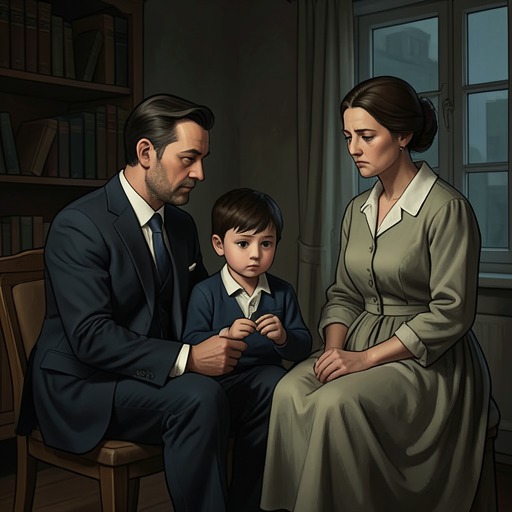
The scene also shows the strain around that plea. While Dot describes Donny Ray’s condition and the denied treatment, Buddy removes his glasses and dabs at his eyes. Dot’s account makes the family’s distress visible even though Donny Ray himself is absent: Rudy has not met him, and Dot says she wishes he could see him. His absence matters to the relationship as the scene presents it. The reader learns about his decline through his mother’s testimony, while her determination to make others understand becomes the means by which his need enters the room.
The Insurer and the Limits of the Scene
Dot’s relationship with Donny Ray is inseparable here from the dispute with Great Benefit Life Insurance Company. She frames the company’s repeated denials as a barrier between a sick young man and covered treatment, and she rejects its explanations by returning to the policy, the premiums, and the facts of his diagnosis. The eighth and final denial letter, which insults her by calling her stupid, sharpens the personal cost of the dispute: the family’s appeal has been met not only with refusal but with contempt. Dot condemns the letter and continues pressing for help rather than accepting the company’s judgment.
The evidence concentrates on this first meeting, so it does not establish how the mother-son relationship changes afterward or describe Donny Ray’s own view of the case. What it does establish is the practical shape of Dot’s care: she tracks the denials, explains the transplant and the family’s finances, seeks legal assistance, and urges speed as her son’s condition deteriorates. Their bond is presented through an urgent effort to obtain treatment, with Dot speaking for a son who is too ill to appear and insisting that the policy’s promises be taken seriously.