February 1
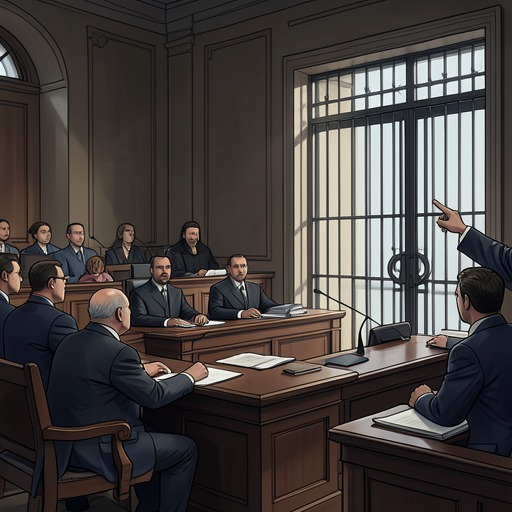
The RainmakerFebruary 1 is the jury-selection date set by Judge Tyrone Kipler in the Black family’s case against Great Benefit Life Insurance Company. The date marks the point when a dispute over Donny Ray Black’s denied transplant claim moved from pretrial argument into a trial before a selected jury; the panel chosen that day would hear the family’s account, the insurer’s denial letters, and evidence about its claims practices.
Scheduling and Stakes
At a pretrial conference, Kipler set jury selection for February 1 and told the lawyers to be ready for trial the following week, with February 8 identified as the scheduled trial date. He also directed Great Benefit’s counsel, Leo F. Drummond, to produce requested policy and claims information. The selection date therefore fell amid continuing disputes about disclosure as well as the approaching trial.
Settlement remained unresolved. Great Benefit had raised its offer to $200,000, but Dot Black instructed Rudy Baylor not to accept any amount. She wanted a jury to hear what had happened to her son, rather than a private settlement. That choice made the coming selection more than a procedural step: it brought the family closer to a public hearing of its claim for accountability.
The Twelve Jurors
The selection produced a twelve-person panel: six Black women, all mothers; two Black men, one a college graduate and the other a disabled former truck driver; three white men, two of them union workers; and one white woman, the wife of a prominent realtor. The jury was sworn in at 4 p.m. and told the trial would begin in a week. Kipler also invited each lawyer to give an informal, off-the-record introduction to the case. Baylor spoke briefly about Donny Ray, the insurance policy, and why the family believed Great Benefit had acted wrongly.
The panel’s composition mattered to the lawyers’ competing presentations, but selection was not simply a matter of demographics. Direct contact with prospective jurors was prohibited, although background investigation was allowed. Great Benefit’s team had far more resources for examining jurors’ histories; Baylor and his associate, Deck Shifflet, had worked from a much narrower position. During selection, Billy Porter lunged at Drummond after an exchange in court. Kipler excused Porter from jury duty but declined Drummond’s request to dismiss the entire panel.
From Selection to Testimony
The selected jurors were soon asked to assess sharply opposed accounts. In his opening, Drummond argued that the policy did not cover bone marrow transplants and characterized the family’s claim for additional damages as excessive. Baylor objected when Drummond called the suit greed; Kipler sustained the objection. Baylor then called Dot Black, whose testimony described her efforts to find care for Donny Ray and her repeated attempts to obtain help from Great Benefit and others.
Dot read the jury seven denial letters, each offering a different reason for refusing the claim, including that the transplant was excluded, experimental, or subject to further review. She also read the insulting letter known as the Stupid Letter. The jury’s selection thus preceded a presentation that connected paperwork and policy language to a family’s experience of trying to secure treatment for a dying son.
Later testimony widened the case beyond the individual claim. Jackie Lemancyzk testified that Great Benefit had adopted a year-long policy, beginning January 1, 1991, of initially denying every claim over $1,000, regardless of its legitimacy. She said the scheme generated roughly $40 million in additional savings. The company’s internal Section U procedures and Donny Ray’s recorded deposition added documentary and personal evidence to the jurors’ task. The selection date itself did not decide the case, but it established the panel before which those strands would be joined and tested.
Significance in the Trial’s Chronology
February 1 stands at the hinge between preparation and persuasion. The jury was not only to decide whether the policy covered the transplant; it would also hear evidence about how claims were denied, what the company knew about Donny Ray’s illness, and whether punitive damages were warranted. The case’s eventual closing arguments returned to those themes, with Baylor using the company’s own financial figures to argue that a meaningful penalty had to reflect its resources, while Drummond urged a smaller award tied to the family’s income.
The date’s importance is therefore procedural and narrative at once. Jury selection determined who would receive the evidence, while the trial that followed turned the selected panel into the audience for a conflict between a grieving family’s demand to be heard and a powerful insurer’s defense of its decisions.