Miss Birdie's estrangement from her children
The RainmakerMiss Birdie's estrangement from her children is the personal grievance behind the will she asks Rudy Baylor to revise, turning a family rupture into a decision about who will inherit her fortune. She says her two sons have abandoned her and directs that they receive nothing; her reasons include suspicion of one son's new marriage and years without contact from the other. Yet her anger coexists with loneliness and guardedness, leaving the estrangement as both a stated grievance and a subject she resists discussing.
Family History and Silence
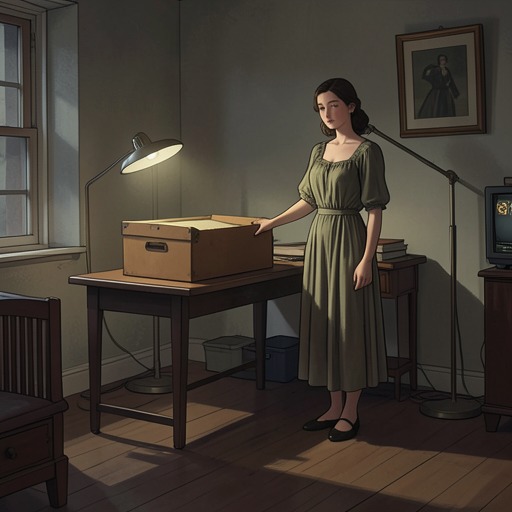
Miss Birdie tells Rudy that she and her husband, Thomas, raised their two sons in the house they bought fifty years earlier. Thomas died eleven years before her conversation with Rudy. When the subject of her children comes up in her kitchen, her cheerful manner briefly turns somber, and she says she would rather not talk about them. The refusal is a striking counterpoint to her later, forceful instructions about their place in her will: she can state what they will lose more readily than she can explain the history behind the family break.
The conversation at the Cypress Gardens Senior Citizens Building likewise begins with a broad declaration of anger rather than a full account of what happened. Miss Birdie says she is mad at her heirs and wants both children, along with some grandchildren, cut out. When Rudy asks why, she first calls the matter personal and declines to go into it. Her explanations emerge only after he asks again. The narrative therefore presents the estrangement through fragments of her account, not through a shared family history or an explanation from the sons themselves.
The Reasons She Gives
Miss Birdie distinguishes sharply between the two sons. Randolph, the oldest and almost sixty, has recently married for the third time. She describes his new wife as someone who is always asking about the money and fears that whatever she leaves Randolph will ultimately go to his wife. Her objection is thus directed not only at her son but at the possibility that his inheritance would pass into the hands of the person she distrusts. She tells Rudy she would rather give the money to him, Professor Howard L. Smoot, or almost anyone else than to Randolph.
Her account of Delbert is shorter and rests on absence: she says she has not heard from him in three years and that he lives in Florida. She gives no further explanation for their silence. At home, she has already made clear that she does not want to discuss her sons, so the sparse detail matters. The reader hears her conclusion that they have abandoned her, but not the circumstances from their side or what preceded the loss of contact.
The Will as a Measure of the Rupture
The estrangement becomes concrete in Miss Birdie's instructions. She names four grandchildren she wants to protect because, in her view, they still love her, and asks that each receive one million dollars. The other descendants are to receive nothing. Her repeated insistence on cutting off those she considers absent or uncaring gives the will the force of a judgment: affection and contact, as she understands them, determine who remains within the family circle she is willing to reward.
She also directs that Randolph and Delbert receive nothing, while the remainder goes to Reverend Kenneth Chandler. Her decision joins resentment toward her children to a separate attachment to the television preacher, whom she says has called after learning she might leave money to his ministries. She is explicit that she does not want her sons to inherit, but the passage does not establish what they know about her plans or whether they have responded to them. The will records her intention, not a reconciliation or a final reckoning with the family.
Loneliness and Narrative Significance
The contrast between Miss Birdie's social warmth and her family grievance complicates her account of abandonment. At home she welcomes Rudy, makes coffee, and recalls raising her sons there, but her household is old and neglected, and she says she would rather avoid talking about the children. At the senior center she turns from the will discussion to comfort Bosco, whom she calls pitiful and without family or friends. Her care for others sits beside her insistence that her own sons have failed her, without resolving how the estrangement began.
Rudy encounters the family break while he is struggling financially and is tempted by the prospect of a wealthy client. That perspective makes Miss Birdie's proposed inheritance feel consequential to him, but it does not verify her accusations or explain the sons' conduct. Instead, the episode holds two facts in tension: she has reasons she considers decisive, and the account remains hers alone. The estrangement matters not simply as background to the will, but as the grievance that organizes its exclusions and exposes the loneliness beneath her resolve.