Preservation Deposition of a Dying Witness
The RainmakerThe Preservation Deposition of a Dying Witness is a procedure for preserving testimony when a witness’s grave illness makes it unlikely that he will be able to testify at trial. In the Black family’s case against Great Benefit, Rudy Baylor used it to secure Donny Ray Black’s account before his condition deteriorated further, creating evidence that could be shown to the jury after his death. The procedure turns a short, carefully controlled examination into both a legal record and a human witness to the consequences of the insurance dispute.
Purpose and Urgency
Donny Ray’s illness made an ordinary timetable untenable. Baylor believed his client would soon be too weak to endure a two-hour examination by several lawyers, and asked the court to allow an evidentiary deposition as soon as possible. When Donny Ray became bedridden the day before the scheduled session, the planned location—the lawyers’ new office—was no longer feasible. Great Benefit’s counsel, Leo F. Drummond, initially declined to move it to the Black family home, which would have meant postponement and renewed notice.
Baylor contacted Judge Tyrone Kipler, who intervened and arranged for the deposition to take place at the home of Dot Black and Buddy Black. Kipler chose to attend because Donny Ray was gravely ill and the session might be the only opportunity to preserve his testimony. He also anticipated that disputes between counsel could disrupt the examination; with the judge present to rule on objections and keep proceedings on course, the deposition could continue without being derailed.
Conducting the Deposition
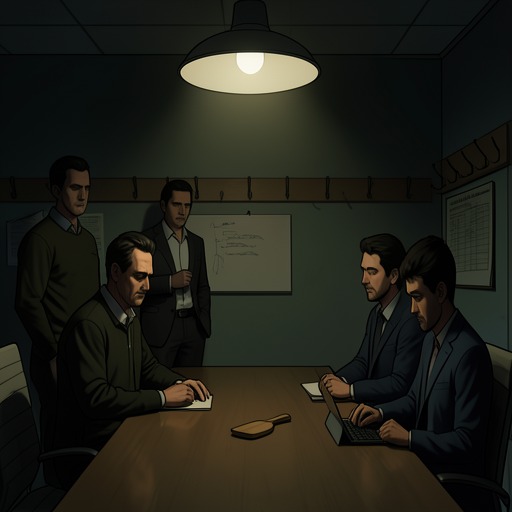
The setting required practical adjustments as well as legal ones. Donny Ray was too weak to leave home, so the lawyers, judge, court reporters, and video equipment assembled there. He was seated in a cushioned patio rocker, with Dot nearby, and the camera was placed about four feet from him so that the jury would see his face. Baylor conducted the examination with Kipler beside him and Drummond opposite. The neighbors’ curiosity and the ordinary sounds of the neighborhood formed the background to a proceeding that would normally have taken place in a more formal setting.
The testimony was recorded in two ways. A video camera captured Donny Ray’s face and answers for later presentation to the jury, while a stenographic machine produced a written record that the lawyers and judge could consult without replaying the entire recording. The additional record also served the usual procedural function of documenting questions and answers. The deposition cost close to four hundred dollars, an expense Baylor’s partner Deck Shifflet had urged him to manage by keeping the questioning efficient.
Because the testimony was intended for evidentiary use rather than an open-ended search for information, Baylor’s examination had to follow the rules of evidence. He began with basic questions about Donny Ray’s identity, family, education, and work, then asked about his illness and the treatment he had not received. Baylor avoided asking him to repeat what a doctor had said or to offer medical opinions of his own, which would have raised hearsay concerns. The examination took about twenty minutes and concluded without an objection from the defense.
Use at Trial
The preserved testimony later became the plaintiffs’ final witness presentation. Baylor and his team edited the deposition to thirty-one minutes, and the courtroom lights were dimmed as the jury watched Donny Ray on a twenty-inch screen. His recorded answers supplied a personal account that written policy language and claims records could not provide on their own. Dot Black watched beside Baylor, while the jurors’ visible sympathy and the quiet after the screens went blank marked the testimony’s emotional effect.
The deposition therefore preserved more than a transcript of answers: its video form allowed the jury to see the witness whose treatment had been at issue. That feature supported the plaintiffs’ effort to connect Great Benefit’s denial of coverage to the experience of a particular family. In his closing argument, Baylor asked the jurors to consider what it meant for Donny Ray to be dying while believing he should have received the treatment covered by the policy. The recorded testimony helped make that appeal part of the trial record rather than leaving the jury with only an account of his illness from others.
Significance and Limits
The procedure brought urgency, evidentiary discipline, and presentation together. Kipler’s presence protected the examination from interruption; the stenographic record supplied a practical reference; and the video ensured that Donny Ray could still appear before the jury when trial began. At the same time, the recording could not give him the opportunity to testify live at trial or answer questions in the courtroom then. Its force rested on preserving his testimony while he could still give it, and on making that testimony available in a form the jury could hear and see.