Ron Black
The RainmakerRon Black is Donny Ray Black’s identical twin, a graduate student in Houston, and the medically confirmed match who was willing to donate bone marrow to his brother. His importance lies in the distance between medical possibility and what happened: the transplant could have offered Donny Ray a chance to survive, but it never took place. Ron’s eventual appearance at the funeral and his testimony make that unrealized possibility both personal and legally specific.
Identity and Background
Ron grew up in the Black family’s Memphis home but left soon after high school and built his adult life elsewhere. He is lean, fit, and not very tall when Rudy Baylor meets him at the family home after Donny Ray’s death. He is single and has never married. By then, he is studying in Houston, far from the household where his twin brother remained.
The twins’ educational and working lives diverged early. Donny Ray finished high school at nineteen, three years before Rudy’s account of him, while Ron graduated a year earlier. Donny Ray did not attend college and worked for two years as a convenience-store clerk before quitting after a robbery. Ron, by contrast, worked his way through UTEP and continued on to graduate school. Their paths establish a concrete difference in opportunity and circumstance, but the account does not present educational achievement as proof of closeness or affection.
Distance Between the Twins
The family’s description of the brothers is marked by separation rather than shared memories. Dot Black says the boys were never close. Donny Ray stayed indoors, read books, and built model airplanes; Ron rode bikes and once joined a gang of twelve-year-olds. Dot remembers both as good boys, but their childhood interests and later lives led in different directions.
Ron seldom returned to Memphis after leaving home. At the funeral gathering, Rudy recognizes how little Dot and Donny Ray had spoken about him. When Rudy tries to invite recollections of twin pranks or jokes, Ron offers none. He grew up in the house and neighborhood surrounding the gathering, yet appears to have little attachment to that past. His short, effortful responses give the reunion a subdued quality: biological identity is certain, but a warm sibling history is not supplied.
That distance does not erase Ron’s willingness to help. When Rudy asks about the proposed transplant, Ron confirms that he was prepared to donate and that Dr. Walter Kord had told him he was a perfect match. The contrast is central to his role: the brothers had not been close, but Ron’s readiness to undergo donation was real. The story presents his willingness without turning it into evidence that the twins had a close relationship or resolving the history that kept them apart.
The Missed Transplant
Donny Ray explains the medical stakes to Rudy before the lawsuit proceeds. He says that Ron was an identical match and that a transplant would have saved his life. Donny Ray also describes the narrowing odds: six months earlier, he says, he would have had a ninety-percent chance of being cured, whereas by the time he speaks he considers himself eighty percent gone. These figures make the case’s lost opportunity more than a general claim about inadequate insurance; they connect the denied treatment to a specific donor who was ready and a treatment Donny Ray believed could have saved him.
Rudy’s account of Donny Ray’s medical records likewise identifies Ron as a perfect marrow match. The records document the compatibility, while Ron later confirms the human part of that evidence himself: he was willing to be the donor. The distinction matters in the lawsuit. A match on paper establishes that the transplant was medically possible; Ron’s testimony confirms that the prospective donor would have participated.
Return and Testimony
Ron arrives in Memphis for the gathering after his twin’s death and introduces himself to Rudy as the twin. He is holding a canned soft drink, and the exchange remains restrained. He accepts Rudy’s condolences, answers questions about the transplant, and agrees to explain the facts to a jury. He asks some questions about the lawsuit but shows no curiosity about how much money he might receive from it. His participation is directed toward the case’s central factual issue, not an apparent financial stake.
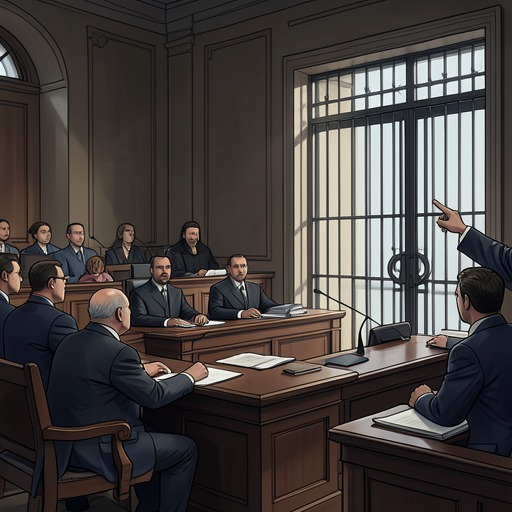
At trial, Ron’s evidence is deliberately narrow. His testimony lasts less than thirty minutes and establishes three points: tests were performed on him, he was a perfect match for Donny Ray, and he was ready to donate at all times. Great Benefit’s lawyer conducts no cross-examination. Ron does not become a lengthy or dramatic witness; his concise account supplies the missing link between the medical records and the treatment the family says the insurer’s refusal prevented.
Narrative Role
Ron’s presence sharpens the difference between what was available and what was lost. Donny Ray had an identical twin whose marrow matched, and that twin was willing to donate. Yet Ron had been away from Memphis, the brothers were not close, and the transplant never occurred. Those facts remain in tension: Ron’s distance is part of the family history, while his readiness to help is a distinct fact that survives it.
As a witness, Ron turns that tension into usable evidence. His restrained appearance at the funeral does not supply a reconciliation, and his brief testimony does not repair the brothers’ past. Instead, he establishes the practical possibility that the insurance dispute put at stake. In the case against Great Benefit Life Insurance Company, the match and the willing donor make Donny Ray’s lost chance legible in human terms, even as Ron’s own account stays spare.