So this is how the uninsured die
The Rainmaker“So this is how the uninsured die” is Rudy Baylor’s anguished recognition beside Donny Ray Black: although Donny Ray had insurance, the denial of care has left him to die as if he were uninsured. The phrase turns a quiet bedside vigil into an indictment of the distance between having a policy and receiving medical help.
The bedside scene
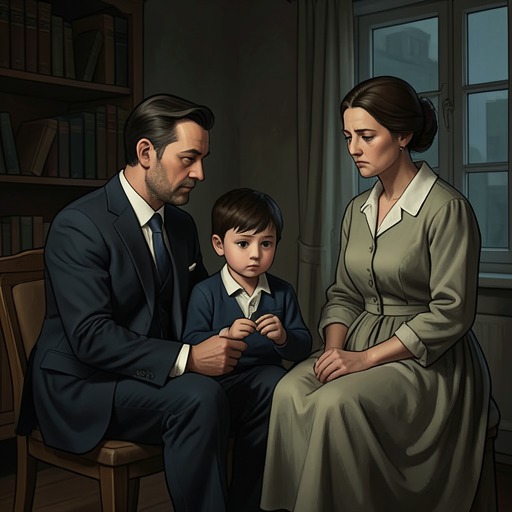
After Donny Ray is too weak to speak on the phone, Rudy drives to the Black family’s home in Granger. Dot Black tells him she thinks her son is nearly gone. Donny Ray lies asleep in a darkened room, pale and fragile; he has eaten nothing that day, and Dot has given him two shots for pain. Rudy sits in a folding chair and watches his chest, struggling to tell whether it is rising and falling. When he switches on a small lamp, Donny Ray moves and briefly opens his eyes. The room’s stillness makes the question of whether he is alive feel immediate rather than abstract.
The contradiction of coverage
The phrase names a failure that the facts of Donny Ray’s case sharpen. His parents paid for a policy, and Rudy understands that Great Benefit Life Insurance Company was contractually obligated to provide treatment when Donny Ray became ill. In Rudy’s account, Donny Ray could have been saved. Calling him uninsured therefore does not describe the absence of a policy; it describes what the denial has made that policy worth at the point when care is needed. The contrast between the promise of coverage and the dying man in the bed gives the expression its accusation.
Witnessing and resolve
Rudy frames the scene against a society equipped with wealthy doctors, gleaming hospitals, advanced medical technology, and Nobel Prize winners. That abundance makes Donny Ray’s lack of proper care seem especially outrageous. The phrase emerges from this contrast, but the scene stays close to the body: the cough, the slight movement, and the chest rising beneath the sheets. Rudy imagines confronting whoever was responsible for the denial, while acknowledging that the decision may have come from either a claims handler following orders or a vice president who gave them. He ends the vigil alone, scared and inexperienced, but convinced the Black family is right; watching a stray streetlight fall across Donny Ray’s chest, he vows revenge. The expression thus connects intimate witnessing to the lawsuit’s larger demand for accountability.