
Human Will Against Fate
The RavenThis flow traces the narrator’s struggle to resist a fatalistic answer that he increasingly helps create.
increasing Bearing strength in each event
 decreasing
Bearing strength in each eventdecreasingSelf-Control
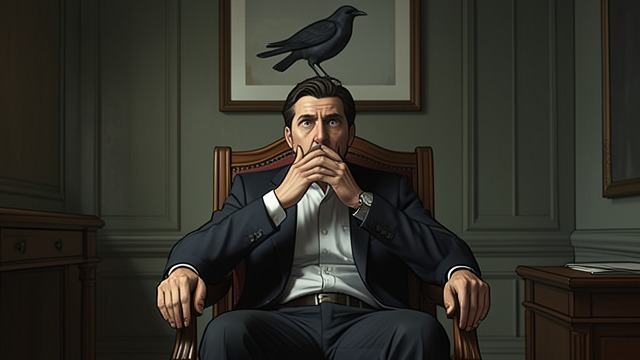
Self-Control
Deliberate Restraint
The narrator pauses, repeats explanations, and gathers courage.
He attempts to remain master of his reactions.
Threatened Agency
The unexplained sounds make control feel provisional.
Fate enters as something he cannot schedule or interpret.
Questioning Agency
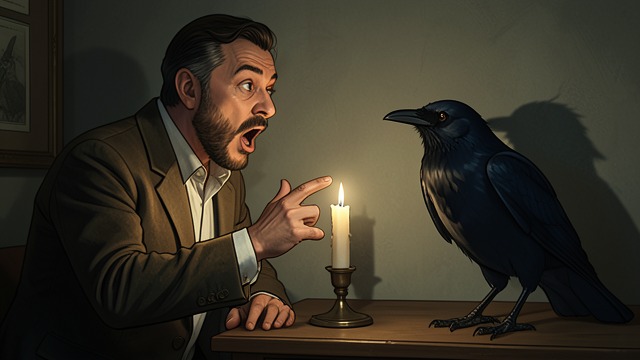
Questioning Agency
Active Inquiry
The narrator chooses the questions and appears to direct the exchange.
Speech gives him temporary authority.
Hidden Dependence
Yet every question invites a predetermined answer.
His agency gradually becomes the mechanism of his defeat.
Fate Hypothesis
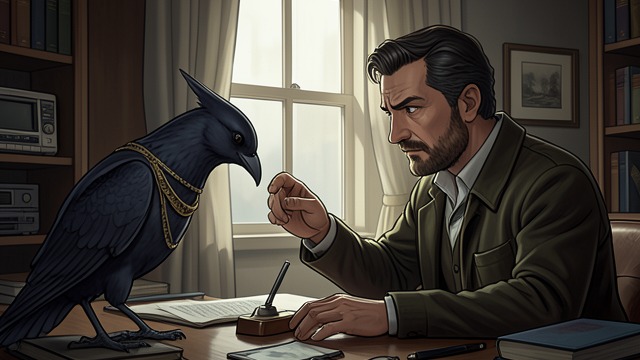
Fate Hypothesis
Pattern Recognition
The narrator begins reading The Raven’s word as a pattern governing his future.
Chance is displaced by an imagined design.
Surrender Begins
The more he seeks a rule, the less freedom he experiences.
Interpretation turns possibility into destiny.
Defiant Command
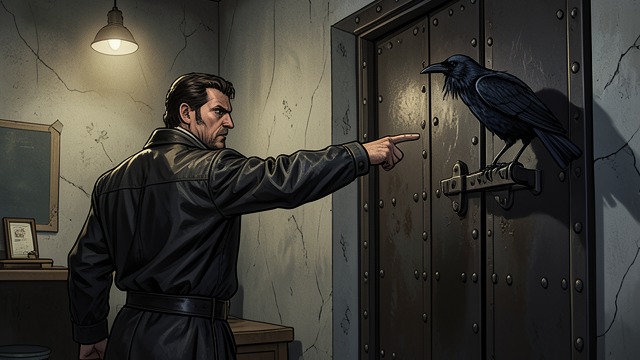
Defiant Command
Will Reasserted
The narrator orders The Raven away and rejects its supposed message.
His imperative language is a last defense of autonomy.
Defiance Exposed
The command depends on the bird’s recognition and obedience.
Even resistance remains trapped inside the encounter.
Fatalistic End
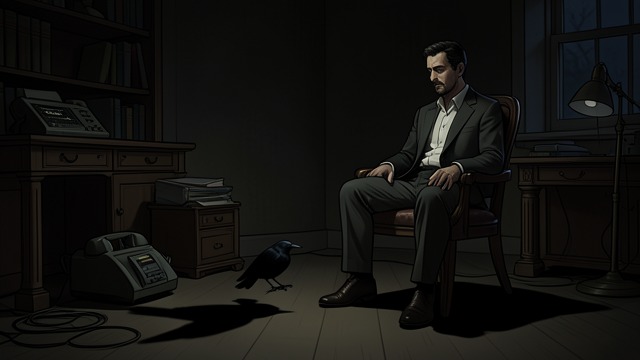
Fatalistic End
Will Overruled
The Raven does not move, and the narrator cannot alter the scene.
His future appears dictated by the visitor’s stillness.
Self-Made Fate
Yet the fatalism has been built through his own questions and projections.
The ending fuses external doom with internal surrender.
before opening the door
during the first dialogue
during the narrator’s fanciful reasoning
after the final question
at the final shadow
