
The Architecture of Absence
The RavenThis flow traces how doors, windows, objects, and shadows give physical form to what cannot return.
increasing Bearing strength in each event
 decreasing
Bearing strength in each eventdecreasingEmpty Doorway
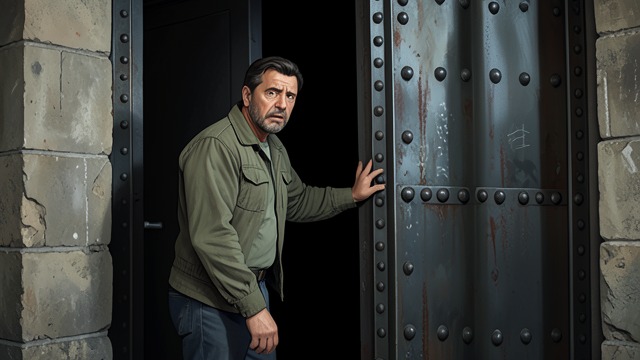
Empty Doorway
Absence Visible
The opened door reveals darkness rather than a visitor.
The unseen becomes more powerful through its refusal to appear.
Threshold of Loss
The doorway frames the narrator’s inability to reach what he wants.
Absence receives a physical boundary.
Echoed Chamber
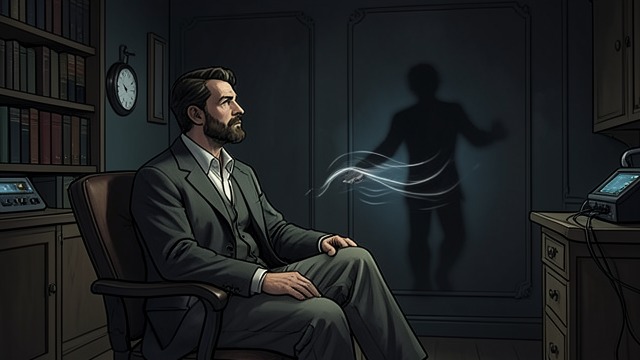
Echoed Chamber
Name Without Body
Lenore’s name returns from the darkness as an echo.
Sound survives where personhood does not.
Spatial Grief
The chamber turns memory into reverberation.
Absence is not empty; it is acoustically and emotionally active.
Cushion Relic
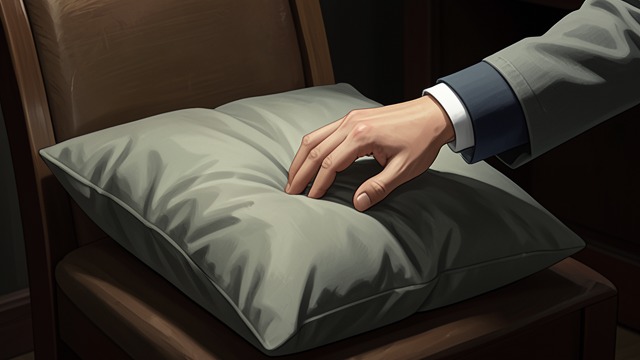
Cushion Relic
Touch Remembered
The velvet cushion evokes Lenore’s imagined future touch.
A common object becomes a relic of impossible intimacy.
Domestic Absence
The room preserves traces without preserving the person.
Material continuity emphasizes human disappearance.
Bust and Door
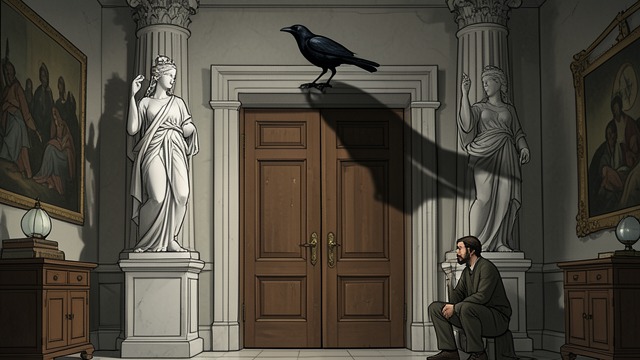
Bust and Door
Fixed Composition
The Raven, Pallas bust, and chamber door form a repeated visual arrangement.
The scene becomes almost emblematic.
Absence Governed
The bird occupies the threshold above the narrator’s domestic world.
What is missing is now controlled by what remains.
Floating Shadow
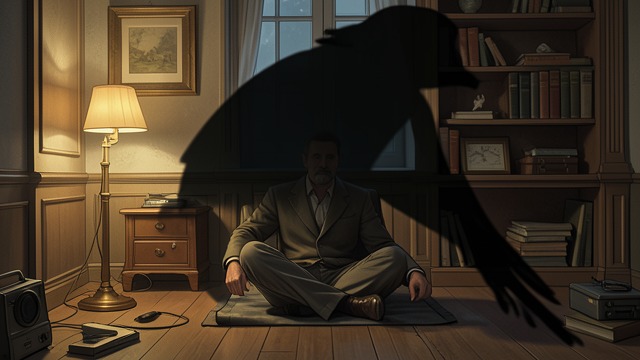
Floating Shadow
Light and Obstruction
Lamp light throws The Raven’s shadow across the floor.
The shadow materializes an influence larger than the bird itself.
Absence Made Permanent
The narrator’s soul cannot rise from that shadow.
The invisible burden of loss becomes the scene’s final architecture.
after the first opening
immediately after the empty doorway
during the narrator’s reflection on the seat
after The Raven perches
at the final image
