
Language and Meaning
The RavenThis flow traces how speech, echo, and repetition create meaning from an apparently limited vocabulary.
increasing Bearing strength in each event
 decreasing
Bearing strength in each eventdecreasingMuted Reading

Muted Reading
Silent Knowledge
The narrator begins among books whose meanings remain private and unspoken.
Reading offers interpretation without interpersonal risk.
Speech Approaches
The knocking will force knowledge into dialogue.
Silence is about to become a contested medium.
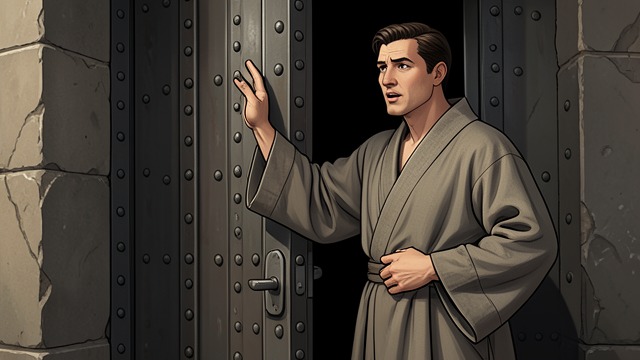
Polite Explanation
Polite Explanation
Language as Control
The narrator uses courteous speech to name the sound as ordinary.
Words attempt to stabilize experience.
Control Weakens
Repeated verbal reassurance reveals that language cannot command the event.
Speech begins to expose fear instead of hiding it.
Echoed Name
Echoed Name
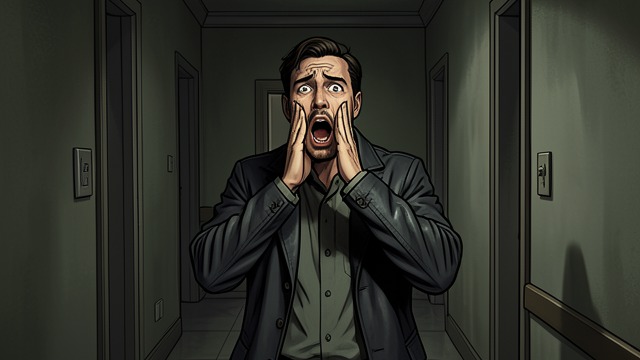
Self-Repetition
The narrator speaks Lenore’s name and hears it returned.
The echo shows how language can reproduce sound without producing meaning.
Desire in the Echo
He wants the repetition to be communication.
Its emptiness makes the name more painful.
Limited Refrain
Limited Refrain
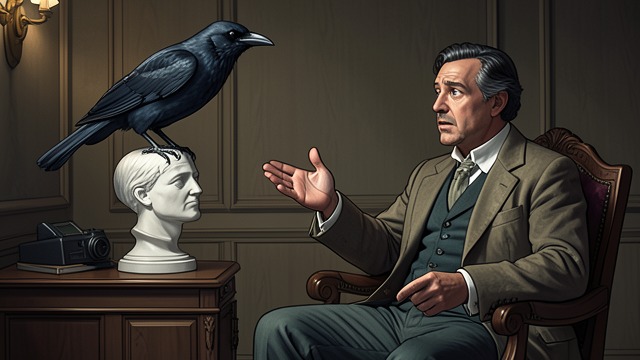
Narrow Vocabulary
The Raven appears to possess only one meaningful word.
Its limitation should reduce interpretive authority.
Meaning Multiplied
Instead, the narrator’s questions expand the word’s possible significance.
The listener creates a vast prophecy from minimal speech.
Word as Verdict
Word as Verdict
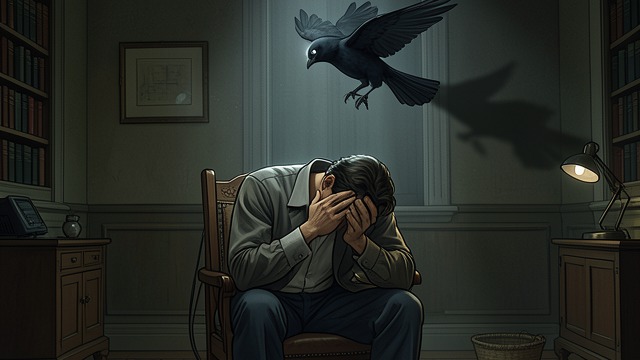
Interpretation Complete
“Nevermore” now answers questions of healing, reunion, and departure.
The word has become larger than its literal content.
Language’s Dark Power
Repetition turns sound into emotional law.
The narrator is defeated not by explanation but by the meaning he cannot stop assigning.
before the first sound
during the first knocking
after the opened doorway
during The Raven’s first answers
at the final exchange
