
The Sacred and the Uncanny
The RavenThis flow traces the poem’s collision between angelic imagery, religious hope, and the ominous authority of The Raven.
increasing Bearing strength in each event
 decreasing
Bearing strength in each eventdecreasingSaintly Memory
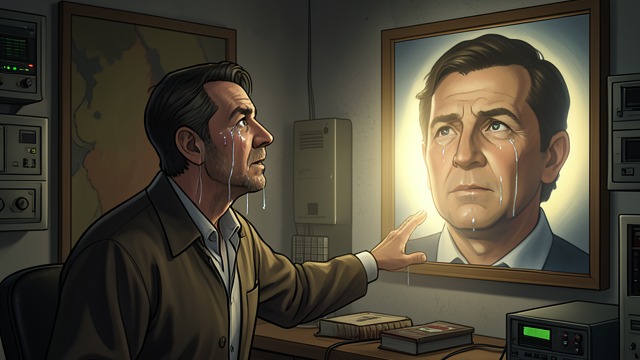
Saintly Memory
Lenore Elevated
Lenore is associated with Angels and saintly radiance.
The narrator uses sacred imagery to dignify his love.
Earthly Grief
The elevation does not remove death’s separation.
Spiritual language begins as an attempted bridge.
Unseen Seraphim
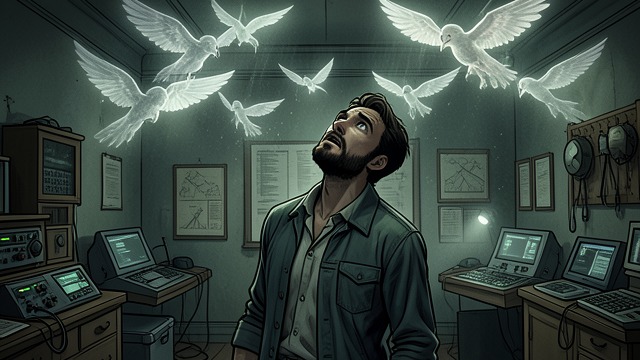
Unseen Seraphim
Sacred Arrival
The narrator imagines Seraphim moving through the chamber.
Their presence suggests a supernatural source of comfort.
Ambiguous Vision
The scene may be revelation or grief-shaped imagination.
Its uncertainty allows consolation and terror to coexist.
Nepenthe Threshold
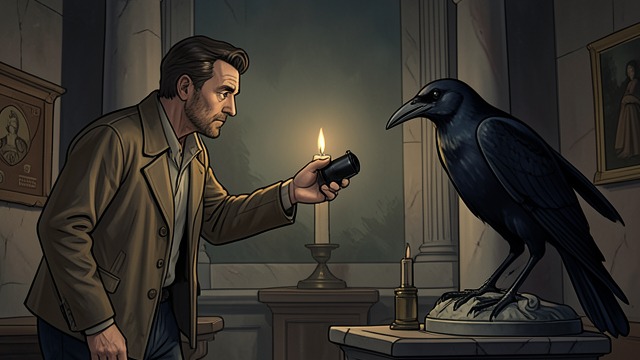
Nepenthe Threshold
Spiritual Medicine
The narrator asks for Nepenthe as a sacred respite.
Forgetfulness appears to offer release from memory.
Uncanny Interruption
The Raven answers instead of the imagined angels.
The ominous visitor occupies the place where comfort was expected.
Gilead Challenge
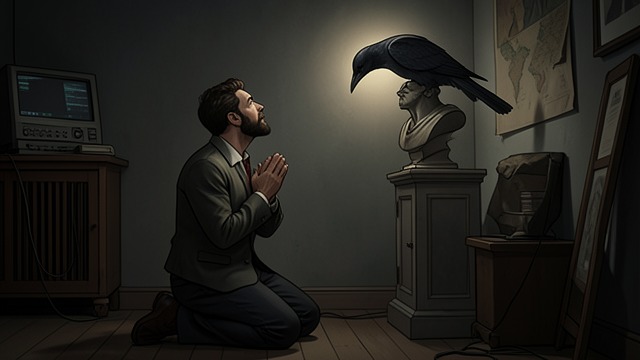
Gilead Challenge
Religious Question
The narrator asks whether Gilead contains healing balm.
The question directly invokes sacred tradition.
Dark Countervoice
The Raven’s denial presents the uncanny as a rival authority to religious hope.
The spiritual world appears present but unhelpful.
Aidenn Denial
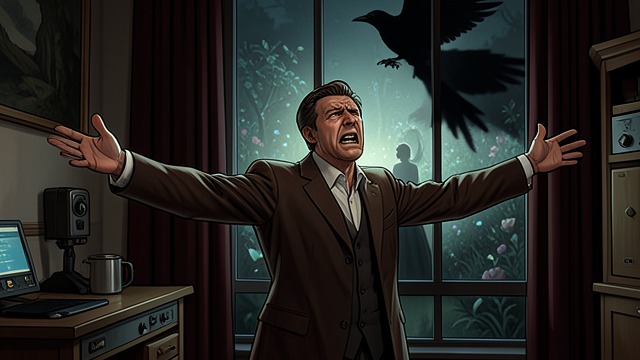
Aidenn Denial
Heaven Invoked
The narrator asks about reunion with Lenore in Aidenn.
Heaven becomes the final sacred horizon.
Uncanny Supremacy
The Raven’s answer closes that horizon.
The poem leaves the sacred vocabulary intact while denying its consoling promise.
during the recollection of Lenore
during the densening air
immediately after the angelic vision
during the appeal for balm
during the final spiritual question
