
Light and Darkness
The RavenThis flow traces the poem’s movement from candlelit uncertainty toward a final darkness that contains the narrator’s soul.
increasing Bearing strength in each event
 decreasing
Bearing strength in each eventdecreasingDying Ember
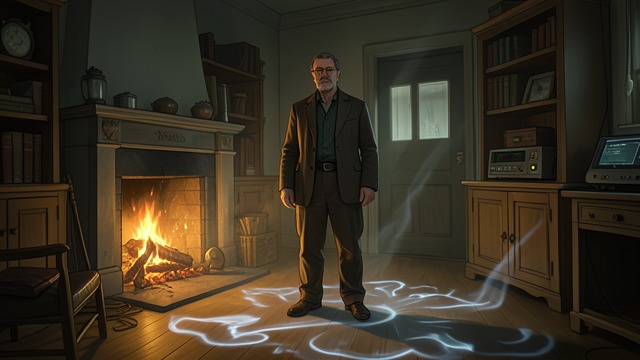
Dying Ember
Failing Light
The narrator watches separate embers cast ghostly forms across the floor.
Light already produces images of death and disappearance.
Visual Grief
The room’s illumination does not clarify reality.
It turns ordinary perception into a mourning spectacle.
Doorway Darkness
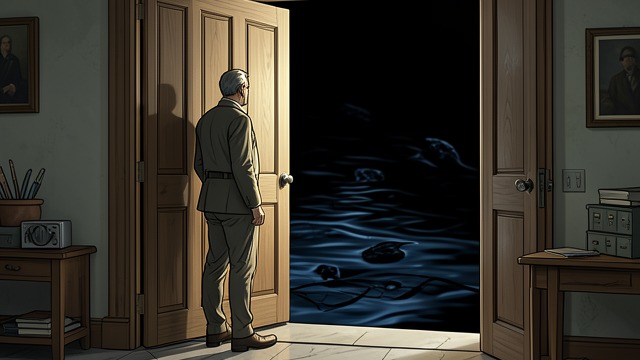
Doorway Darkness
Light’s Limit
The narrator peers into darkness and finds no reassuring figure.
Vision cannot cross the threshold.
Fearful Interior
The darkness becomes a screen for dreams and fears.
What cannot be seen gains greater imaginative force.
Lamp on Raven
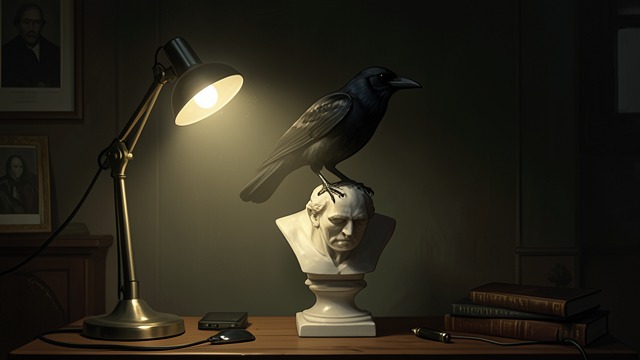
Lamp on Raven
Illuminated Intruder
Lamp light falls across The Raven and the surrounding chamber.
The bird is visible but not explained.
Knowledge Without Clarity
Illumination exposes its form while leaving its meaning obscure.
Light reveals the object and deepens the mystery.
Unseen Censer
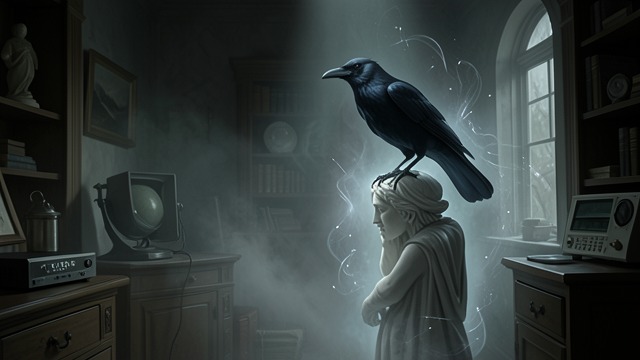
Unseen Censer
Perfumed Darkness
The air grows denser around an unseen censer.
Invisible sacred imagery competes with the visible bird.
Ambiguous Illumination
The atmosphere suggests revelation without producing certainty.
The narrator’s imagination makes darkness spiritually charged.
Final Shadow
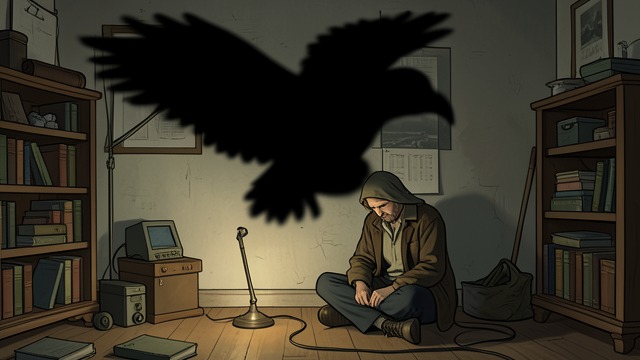
Final Shadow
Light’s Verdict
The lamp throws The Raven’s shadow across the floor.
The visible bird generates an invisible domination.
Soul Confined
The narrator’s soul remains beneath that shadow.
Darkness becomes the final form of grief’s authority.
during the opening meditation
after the door opens
during the narrator’s contemplation of The Raven
during the imagined arrival of Seraphim
at the ending
