Midnight
The RavenMidnight is the decisive temporal setting for the opening of The Raven: it places the speaker at the boundary between waking and sleep, ordinary study and uncanny interruption, and private grief and the appearance of The Raven. Rather than functioning as a neutral clock time, it concentrates the poem’s atmosphere of exhaustion, isolation, and impending revelation.
Definition and Opening Setting
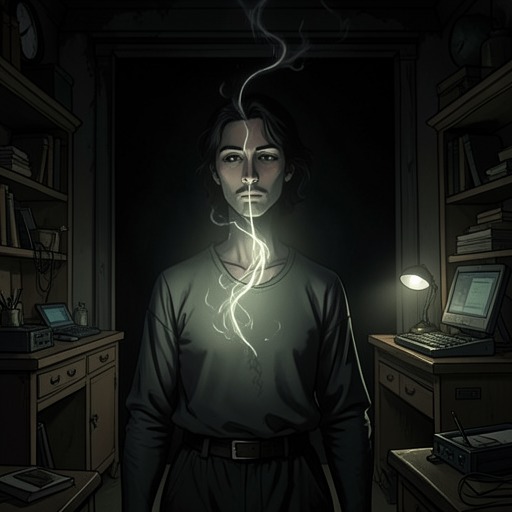
Midnight introduces the poem’s first scene as a “midnight dreary.” The hour is presented alongside the speaker’s physical and mental weakness: he is “weak and weary,” and he has been pondering over “many a quaint and curious volume of forgotten lore.” The time therefore coincides with prolonged solitary reading and an exhausted state of consciousness rather than with ordinary daily activity.
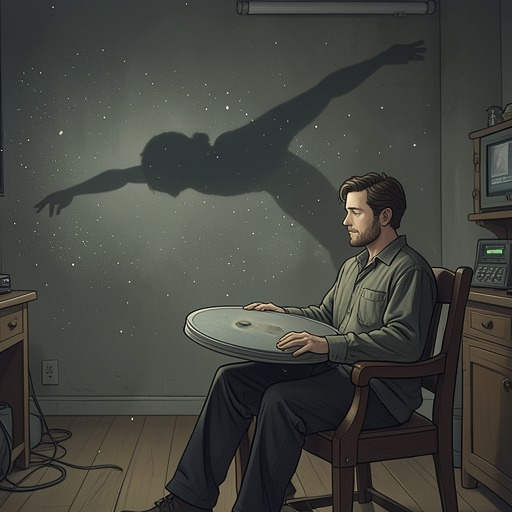
The setting is poised between attention and surrender. The speaker is not fully asleep, but he is “nearly napping” when the first disturbance arrives. Midnight consequently establishes an unstable threshold in which perceptions may be intensified, confused, or transformed. The scene’s temporal stillness makes the subsequent sound of tapping feel especially intrusive: the hour seems to hold the room in suspension until the interruption breaks it.
Relation to the Inciting Disturbance
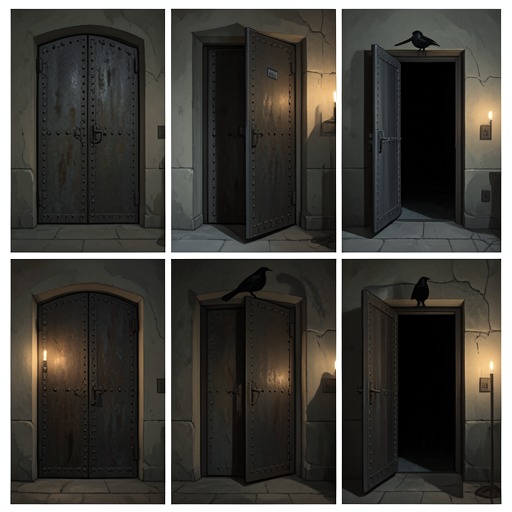
The first major action follows immediately upon the midnight setting. While the speaker is nearly asleep, “suddenly there came a tapping.” This abrupt transition turns midnight from a backdrop into a trigger for the poem’s narrative movement. The hour’s silence and lateness heighten the contrast between inward concentration and external intrusion, preparing the arrival of the mystery that develops into The Raven’s entrance.
Because the speaker is already weakened and drowsy, the hour also complicates the status of what he experiences. The opening does not begin from confident observation; it begins from fatigue, study, and partial sleep. Midnight thus supports the poem’s ambiguity between supernatural visitation and perception under emotional and physical strain without resolving that ambiguity in the opening passage.
Atmosphere and Narrative Significance
Midnight binds the poem’s external time to its inward condition. The speaker’s solitary engagement with forgotten lore suggests an attempt to occupy the mind while grief remains present, and the late hour makes that effort appear increasingly unsustainable. The darkness is not described through a broad account of the world outside; instead, the poem immediately narrows attention to the speaker’s consciousness and the sound that reaches him.
As a threshold moment, Midnight initiates the movement from recollection and contemplation toward fear. Its significance lies in the way it permits the ordinary and the uncanny to touch: a person reading alone is nearly asleep, then hears a sudden tapping. The hour’s association with exhaustion, secrecy, and altered perception gives the opening disturbance its force and establishes the temporal pressure under which the speaker will interpret everything that follows.