
Wicker’s Place in the Party
The Reincarnated Demon King's Host Just Wants to Live in Peace, But the Hero Won't Leave Him AloneWicker’s identity as a liminal necromancer becomes a test of whether the party can value a friend beyond assumptions about life and death.
increasing Bearing strength in each event
 decreasing
Bearing strength in each eventdecreasingThe Uninvited Companion
The Uninvited Companion
Joining by persistence
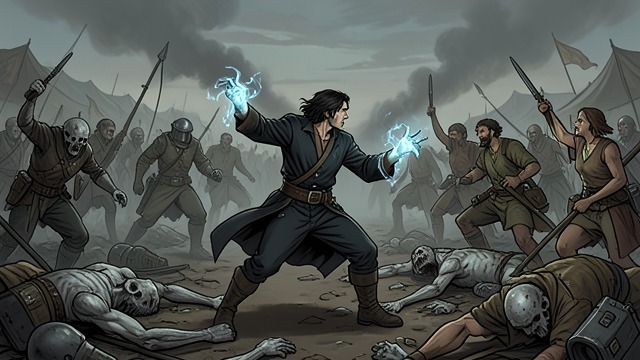
Wicker saves the party during an attack involving an undead Demon Lord and an army of the dead. Rather than receiving a formal invitation, they begin following the group and gradually become part of its life.
Trust built through service
Their necromancy makes some people uncomfortable, but Wicker’s practical loyalty and cheerful manner steadily earn the party’s confidence. Their place rests on what they do for their companions, not on a conventional role.
The unusual way they join anticipates the larger question of belonging that follows their later disclosure. Wicker is already family before the party understands what their body has become.
A Face Behind the Mask
A Face Behind the Mask
The body noticed
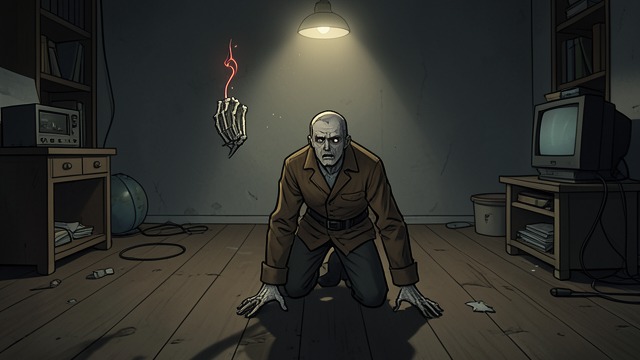
Theo realizes that Wicker has no heartbeat, a detail the rest of the party has missed. Asked directly, Wicker explains that necromantic magic has kept them between life and death.
A disclosure without shame
Wicker shows a skeletal hand and describes illness, violence, and the losses their body has endured. They do not present themselves as tragic or monstrous; they say they are content with who they are and glad to have met the party.
The disclosure asks the group to respond to a friend, not an abstract fear of undeath. Theo’s immediate solidarity helps make that distinction visible.
Friends Keep Their Place
Friends Keep Their Place
Acceptance in the moment
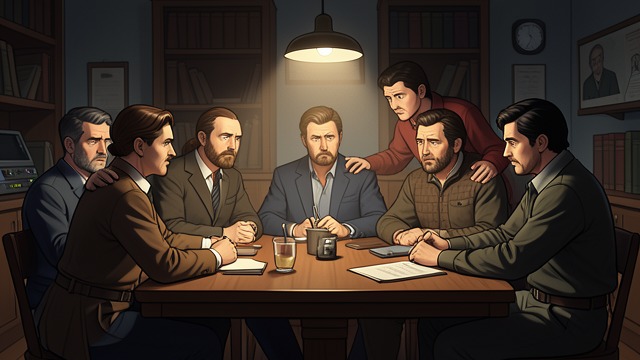
Luc insists that Wicker remains the same trusted companion. Khal, Bryony, and Theo express sympathy for the suffering behind the condition without treating Wicker’s continued life as a reason to withdraw affection.
Difference becomes shared knowledge
Emi questions whether the party should accept the revelation so readily, and Avery remains uncertain. Yet neither response erases the years of trust Wicker has built.
The moment makes acceptance an active choice rather than a claim that prejudice never existed. Wicker is allowed to explain themselves while the party decides what their friendship means.
The Well and the Dead
The Well and the Dead
A specialty put to work
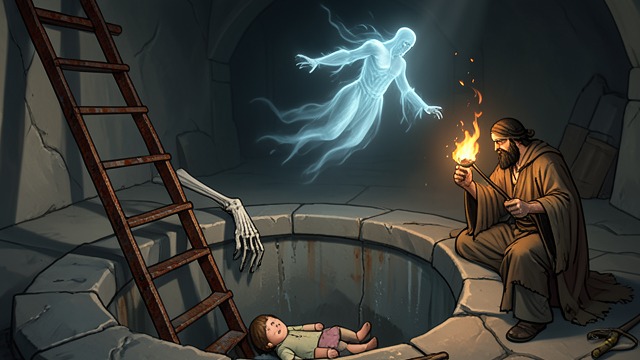
Wicker identifies an abandoned well as the source of Ashenhave’s ghost crisis. Their knowledge of ghost behavior guides the party toward the nested corpse and the child’s unresolved memory.
Life and death cooperate
Wicker uses ritual and fire while Theo’s healing magic eases the child’s suffering. Their different practices complement rather than contradict each other, allowing them to release the ghost and settle the haunting.
Their partnership gives practical form to Wicker’s belief that death can be honored without treating it as evil. The rescue also strengthens the trust between two people whose powers approach the same boundary from opposite directions.
A Home Among Friends
A Home Among Friends
Wandering reaches an end
After the dangers of the quest, Wicker decides that they want to stop moving and help run the Adventurer’s Guild in Leafel. Theo’s rooted life offers a model of service that does not require constant travel.
A new mentorship
Wicker begins training Micah in necromancy, passing on knowledge while becoming part of a village community. Their role changes from the party’s itinerant oddity to a local teacher and organizer.
The choice gives Wicker a future based on friendship and useful work rather than survival alone. Their belonging in Leafel grows from the same welcome that once helped Theo put down roots.
Two years after the party begins its quest
During the journey north, before Ashenhave
Immediately after Wicker reveals their condition
During the Ashenhave ghost crisis
After the northern quest, when Wicker settles in Leafel
