
The Path from Revenge to Peace
The Reincarnated Demon King's Host Just Wants to Live in Peace, But the Hero Won't Leave Him AloneMalthios’s personal transformation exposes revenge as a purpose that can preserve grief indefinitely, then replaces it with the harder work of preventing further harm.
increasing Bearing strength in each event
 decreasing
Bearing strength in each eventdecreasingAn Enemy Made by Loss
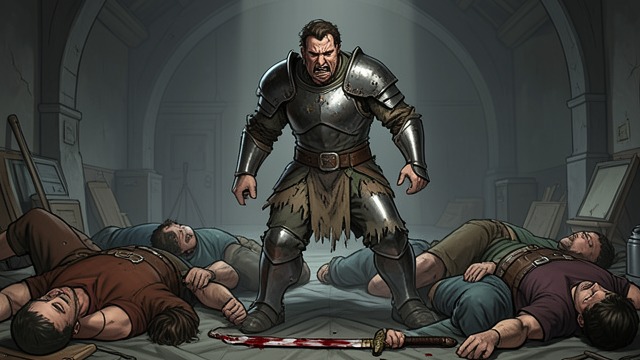
An Enemy Made by Loss
Grief narrowed into vengeance
After the Hero kills his friends, Malthios escapes and lets their deaths fuel a desire to destroy mortals. The pain of loss becomes the explanation for his later violence.
The past cannot answer back
Malthios cannot ask Kamil, Aym, Torq, or Foras what they would have wanted him to become. His revenge offers the illusion of loyalty while excluding the possibility that his friends might have rejected his actions.
The story recognizes the force of grief without treating it as permission. Malthios’s trauma matters, but the people harmed by his choices matter too.
The Crown and the Empty Throne
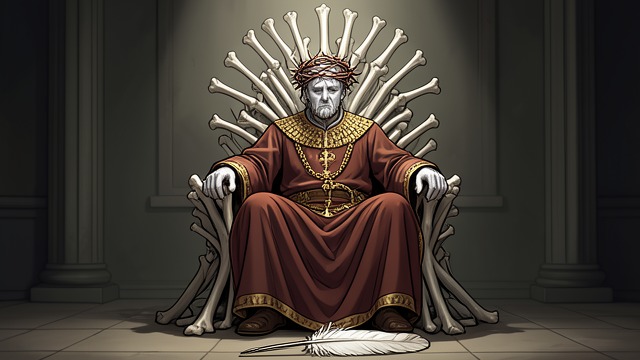
The Crown and the Empty Throne
Rule fails to restore what was lost
Malthios becomes Demon King after killing Naamah and many others, but power does not bring his friends back or restore his earlier sense of purpose. He eventually kills his sponsor Fulton without feeling pleasure.
Conquest loses its meaning
The throne expands the reach of Malthios’s will while leaving him increasingly numb. He begins to recognize that he has surpassed his former society without becoming free of it.
His reign demonstrates that vengeance can produce power and still leave its central wound untreated. The crown is an achievement that deepens isolation rather than answering grief.
Theo’s Ordinary Joys
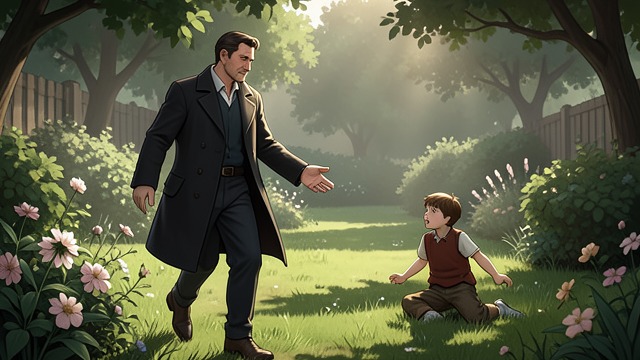
Theo’s Ordinary Joys
A different life observed
Through Theo, Malthios experiences gardens, books, meals, and the affection of Leafel’s residents. These ordinary experiences challenge his belief that mortal life is too brief to hold value.
A new future imagined
Malthios begins to wish for peace, friends, and good food rather than a throne or another war. He knows Theo did not choose to host him and feels guilt for the hardships the bond creates.
The change is gradual and often uncomfortable. Theo does not excuse Malthios; his daily way of living gives the Demon King evidence that a different purpose can exist.
Tyraz’s Defeat
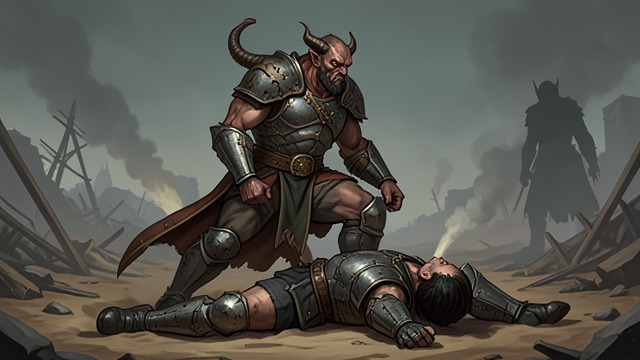
Tyraz’s Defeat
Revenge meets a changed opponent
Tyraz mocks Malthios for caring about a human and claims that attachment has made him weak. Malthios rejects the accusation, saying that life beside Theo has allowed him to be himself again.
A promise becomes accountability
Malthios defeats Tyraz and remembers the warning he gave him long ago. The victory ends their rivalry, but Malthios does not seize the crown as the next stage of revenge.
Tyraz’s defeat offers Malthios a choice he never made before: winning does not require continuing the same cycle of rule and slaughter. He can stop once the immediate danger is gone.
A Peace Built After War
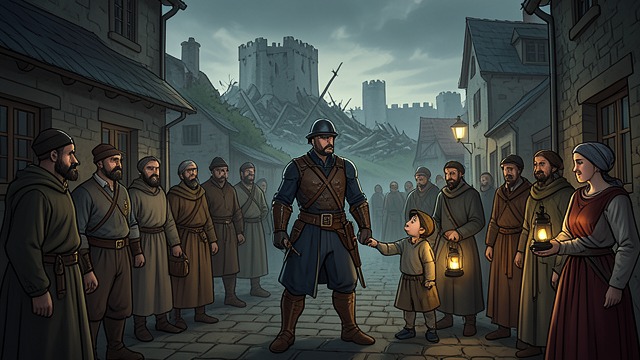
A Peace Built After War
The organized enemy ends
Malthios destroys the fortress and declares that he will end organized demon rule. He does not claim that this makes the past harmless or that every remaining danger has vanished.
Responsibility extends beyond victory
Theo must face public judgment, Luc must decide what his Heroic duty means, and the village must live with a former enemy in its midst. Peace becomes a set of choices made by people who have inherited the consequences of war.
The resolution replaces conquest with accountability and coexistence. The future is not guaranteed, but it no longer has to repeat the war simply because the old enemies survived it.
After the Pentagram dies
During Malthios’s reign after his ascension
During the years Malthios lives within Theo
At the climax of the northern campaign
After the fortress is destroyed
