
The Heroic Duty System
The Reincarnated Demon King's Host Just Wants to Live in Peace, But the Hero Won't Leave Him AloneThe story challenges a political order that turns exceptional children into weapons and treats lifelong sacrifice as the natural meaning of heroism.
increasing Bearing strength in each event
 decreasing
Bearing strength in each eventdecreasingHeroes Burn Quickly
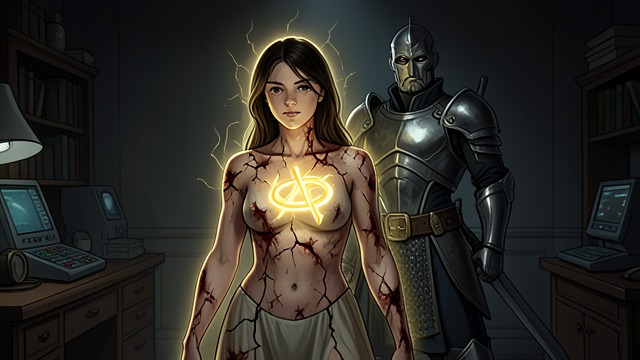
Heroes Burn Quickly
Power carries a lifespan cost
Hero magic grants extraordinary physical ability, but it rapidly consumes the body and life force of those who bear it. Earlier Heroes rarely survive beyond their twenties, and Eliza’s own power is beginning to catch up with her.
A successor is treated as necessary
Because Heroes burn out, institutions seek replacements before the current protector dies. Luc is selected as a child, then trained to inherit a danger he did not choose.
The system presents sacrifice as a natural consequence of magical power. The story asks whether that consequence must also become a political obligation imposed on children.
Theo Is Assigned a Place
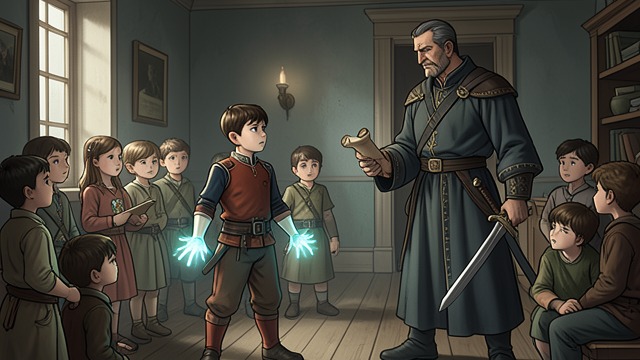
Theo Is Assigned a Place
Talent overrides preference
Theo’s healing gift shines brightly during his test, and the court mage declares that he belongs in the Hero’s party. The apprentices and craft mentors who might have offered another future are pushed aside.
A child leaves home
Theo’s parents cannot change the decision, and he is sent to train with Camden. His exceptional magic is treated as proof that he should serve the kingdom, not as an ability he might freely develop.
The episode parallels Luc’s recruitment while showing that the system claims other talented children too. The duty system is not a single bad decision but a structure that turns useful ability into compulsory service.
A Party Oath Divided
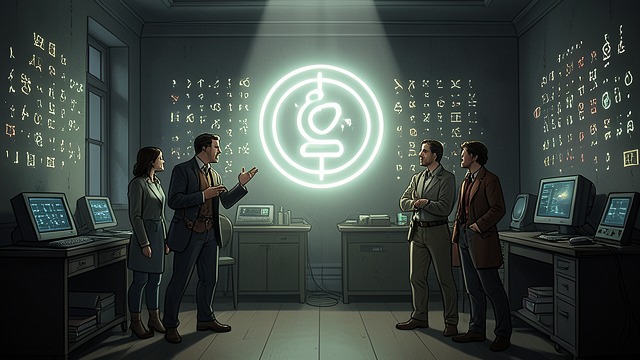
A Party Oath Divided
Mission becomes identity
Avery and Emi argue that the quest is all the capital-trained members have, while Luc insists that the people around him are more than temporary companions. Their disagreement reveals how deeply the party’s oath has shaped their sense of self.
Friends challenge the terms
Luc says that friendship and rest matter, and Theo refuses to let the dispute use him as a pawn. The exchange exposes a choice between protecting people and obeying a mission as an end in itself.
The party’s conflict is not simply rebellion against duty. It is an argument over whether the oath exists to protect life or to consume it.
A One-Year Decree
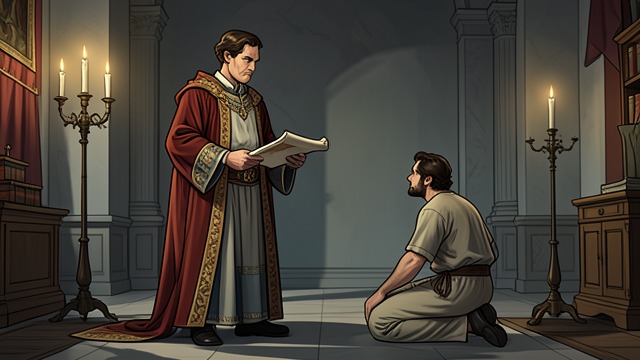
A One-Year Decree
A limited concession
King Alexis acknowledges that Leafel needs its healer, but decrees that Theo must serve the Hero’s party for a year or until the demon forces are dispatched. The ruling limits the state’s claim without abandoning it.
Theo’s service remains his work
Theo joins to save Luc and help the party, not because the decree changes his view of compulsory duty. His distinction between personal choice and royal demand remains explicit.
The compromise exposes reform’s narrowness. The king can recognize competing needs, but he still assumes the crown may set terms for a gifted person’s life.
The Next Hero’s Choice
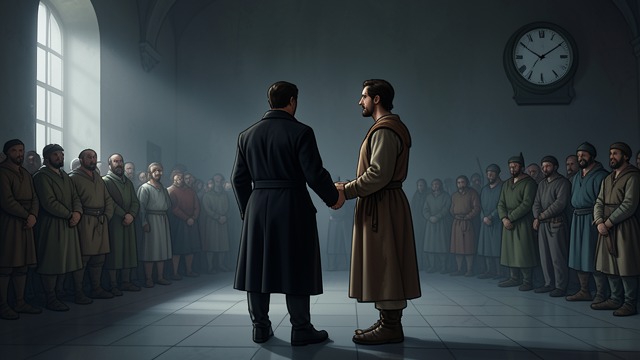
The Next Hero’s Choice
A public refusal
Luc says he will determine when to fulfill the duty to kill Malthios. He chooses a life with Theo and rejects the expectation that Heroic power requires surrendering every private attachment.
The future made conditional
Luc’s choice reframes his role as protection rather than obedience. He imagines a world where people born with Hero magic may decide their own fate, although the institutions watching him have not agreed to that future.
The declaration makes the personal romance a challenge to political custom. It does not dissolve the conflict, but it names the possibility that Heroic duty can be chosen and limited.
Before Luc’s generation begins its quest
At Theo’s magic test, when he is eight
During the party’s argument in Leafel
After Theo saves Luc in The Capital
At the trial’s conclusion
