
The Hearing’s Burden of Truth
The Reincarnationist PapersThe Ascension process tests whether Evan can make private memory credible while forcing him to expose facts he would prefer to conceal.
increasing Bearing strength in each event
 decreasing
Bearing strength in each eventdecreasingQuestions Begin

Questions Begin
Lives made specific
The panel asks Evan when and where his earlier lives began, who his family members were, and how he died. His answers must be precise enough to distinguish knowledge from general belief.
A difficult second life
Evan describes the child’s death in Macon and explains that he visited the grave to check the memory. The details create a path for verification, while the emotional weight remains evident.
Uncertainty stays visible
Evan admits he once feared he was mad. His honesty lets the panel hear both the claim and the doubt that accompanied it.
A Long Cross-Examination
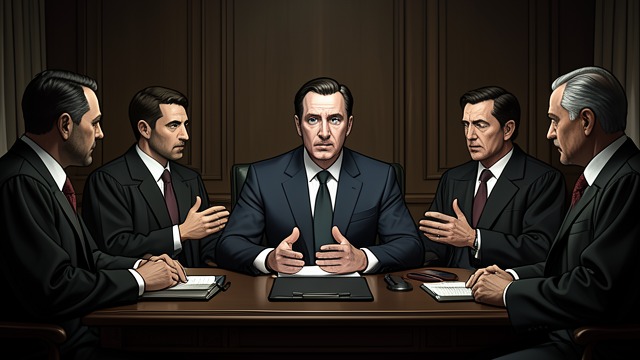
A Long Cross-Examination
Memory checked in detail
The judges question Evan about travel routes, traffic violations, childhood facts, and events from the lives he remembers. The rapid questions test whether his account remains consistent under pressure.
Evidence from distant places
Some information lies in American records, while other details require research in Bulgaria. Evan understands that the group will compare his testimony with external sources.
Fatigue and exposure
Hours of questioning make the hearing exhausting and invasive. The process asks Evan to reveal intimate details as the price of being believed.
The Arson Confession
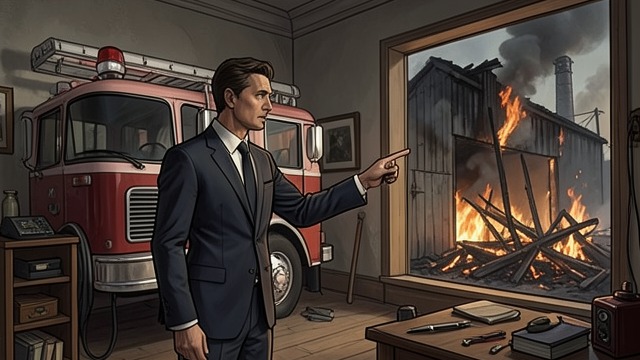
The Arson Confession
A question reaches the present
The panel asks about the warehouse fire and Evan’s work as a paid arsonist. This is not simply a test of past-life memory; it exposes a criminal life that could create risk for everyone present.
Evan tells the truth
Evan admits that he started the fire and explains the earlier arrangement with Officer Shirer. He chooses disclosure over a lie that could undermine the credibility of everything else.
A dangerous account accepted
The confession demonstrates that the Cognomina hearing asks for more than proof of historical facts. Evan’s willingness to own his choices becomes part of the evidence the panel must weigh.
The Hoxa Testimony

The Hoxa Testimony
A judge recognizes the subject
Ramsay asks Evan about his service in the Bulgarian Army and the battle under Captain Hoxa. Her personal knowledge makes the questioning more demanding than a simple request for dates.
A detailed memory unfolds
Evan recounts the artillery position, storm, bombardment, flooding, and Hoxa’s disappearance. His account holds the panel’s attention because it includes concrete observations rather than a general summary.
Memory meets another memory
The testimony creates a point where an individual recollection intersects with another member’s historical knowledge. The shared past lends weight to Evan’s claim while exposing the unusual intimacy of the society’s internal scrutiny.
A Decision Reached
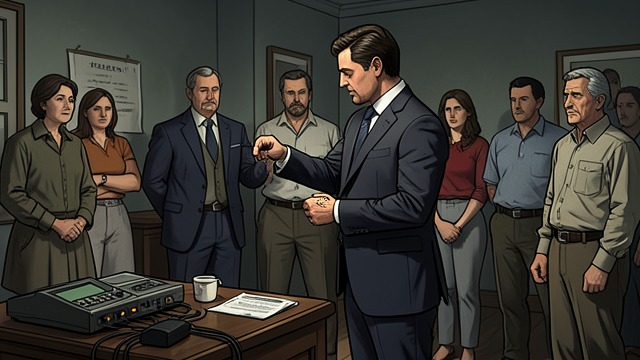
A Decision Reached
Evidence reviewed
The panel recesses to compare Evan’s memories with information gathered by the Cognomina. He has faced questions about history, family, crime, and the emotional cost of remembering.
A conditional welcome
The judges confirm him by four votes to one and read the collective’s obligations. Acceptance comes with duties that extend beyond the celebration.
Membership begins publicly
Evan chooses a name, meets members, and receives the Embe tattoo. The hearing ends, but the obligations and risks of belonging now shape the life ahead.
The first night of Evan’s hearing
Later in the first hearing
During the second hearing session
Near the end of the second session
After the final testimony
