
Home, Exile, and the Search for Belonging
The Reincarnationist PapersAcross farms, villages, churches, hotels, and prisons, characters repeatedly seek a place where their remembered identities can be recognized.
increasing Bearing strength in each event
 decreasing
Bearing strength in each eventdecreasingA Farm Lost
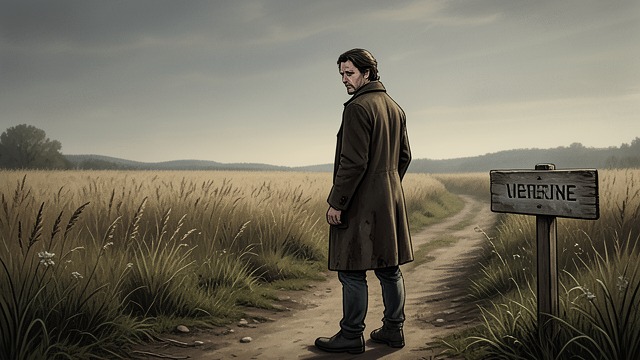
A Farm Lost
Home built through work
Vasili’s farm represents a life built with his father and later shared with Vanya. The land gives his identity a place in a community and a daily routine.
Home removed by force
The Communist authorities seize the property after Vasili and Vanya refuse collectivization. Their arrest turns a home into the reason for separation and imprisonment.
Memory outlasts the land
Vasili’s later exile means he cannot return to the life he knew. Evan inherits the memory of a home that remains emotionally present even when the physical place is lost.
A Child Returns to Macon
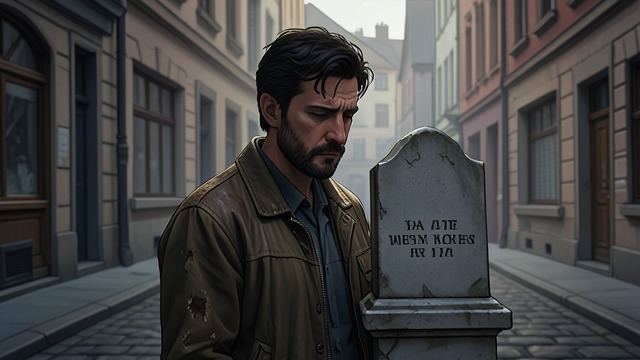
A Child Returns to Macon
Familiar streets encountered
Evan arrives in Macon and recognizes parts of the neighborhood connected to Bobby’s childhood. The changed house and surrounding streets make the return both familiar and disorienting.
A grave confirms names
He finds the shared monument to Bobby and Judith and reads the dates that match his memories. The cemetery gives Evan a physical place where his past can be checked.
Belonging without reunion
The visit brings confirmation but not the people back. Evan can touch the stones and recognize the place, yet the family he remembers exists only through memory.
Poppy’s Church as Refuge
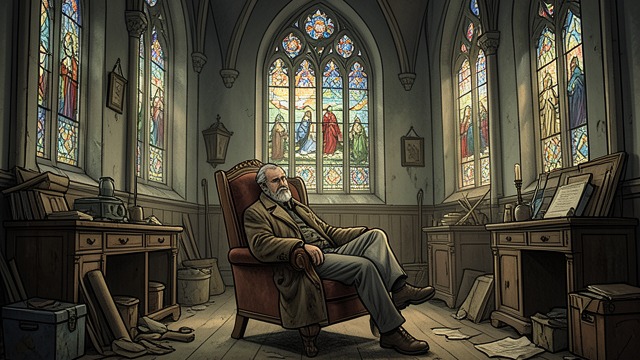
Poppy’s Church as Refuge
A stranger welcomed in
Poppy’s old church residence gives Evan a bed, treatment, food, and time to recover. Its scale and beauty contrast with the crowded, temporary room he had occupied.
A home with a history
The stained glass, furniture, and stored objects reveal layers of past lives. Evan feels drawn to the building before he understands why its details seem so carefully preserved.
Safety and uncertainty together
The church shelters Evan, but Poppy’s privacy and the building’s unusual routines leave him unsure of his place. Refuge begins before trust, and belonging grows as its history is disclosed.
The Cognomina as Family
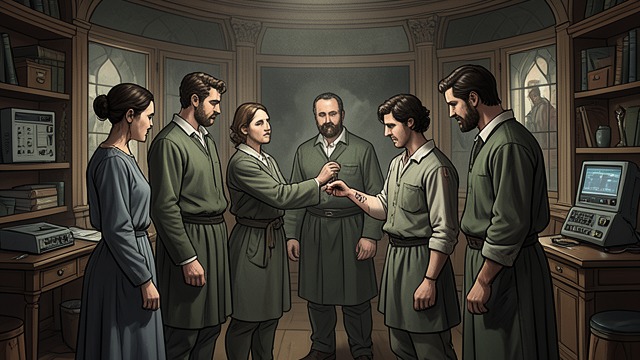
The Cognomina as Family
A long search answered
Evan enters the grotto after years of feeling alien among ordinary people. The members’ welcome addresses the isolation that no earlier conversation could resolve.
Membership made formal
The panel accepts him, the members introduce themselves, and Auda applies the shared tattoo. The ceremony makes an imagined family real through names, ritual, and recognition.
Home with obligations
The Cognomina offers a place among people who remember, but its secrecy and duties shape what home means. Evan gains belonging without escaping the responsibilities that accompany it.
A Cell Without an Outside
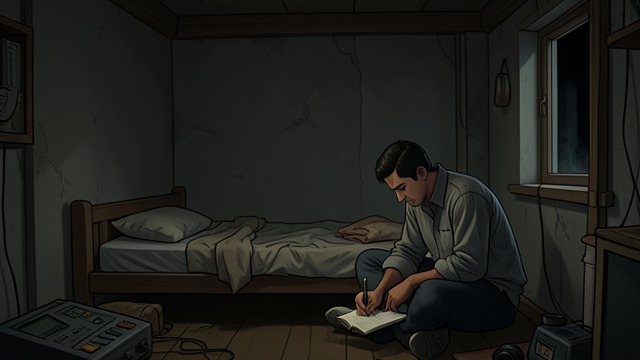
A Cell Without an Outside
Contact severed
Evan is held in a remote prison with no reliable communication beyond the walls. His friends and the Cognomina do not know where he is or how to reach him.
A companion inside
Reginald shares conversation and care, but he cannot restore Evan’s connection to the world. The cell becomes a place where all the homes Evan has found remain inaccessible.
Belonging becomes memory
Evan writes his story in a language intended to protect it, imagining a future reader who may come for it. Even in isolation, the wish to be understood continues to shape what he records.
After the Communist takeover in Bulgaria
During Evan’s verification trip
During Evan’s recovery in Los Angeles
At Evan’s acceptance ceremony in Zurich
During Evan’s imprisonment in Tunisia
