Cognomina disclosure massacre
The Reincarnationist PapersThe Cognomina disclosure massacre was the destruction of seven members after one trustee revealed the secret society to nearby villages. Recounted by Poppy as the reason the Cognomina guarded its identity, the episode turned secrecy from a private choice into a tradition shaped by collective survival.
Background and Disclosure
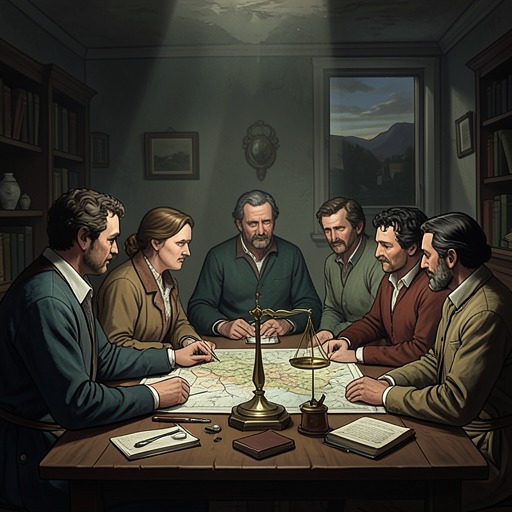
Around the turn of the first millennium, after the society’s holdings had been relocated to what is now Switzerland, its seven members had amassed a fortune said to rival that of nearby kingdoms. One of the oldest members became trustee and, without the others’ permission, told villages within several days’ ride about the Cognomina. His stated aim was to establish a kingdom in which the seven members would rule as a royal family across successive incarnations. The plan treated their repeated returns as a basis for lasting political power, but it exposed the society to people who did not share its understanding of that condition.
Massacre and Loss
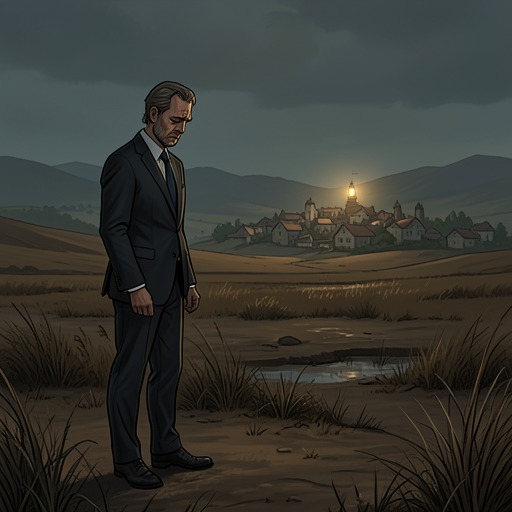
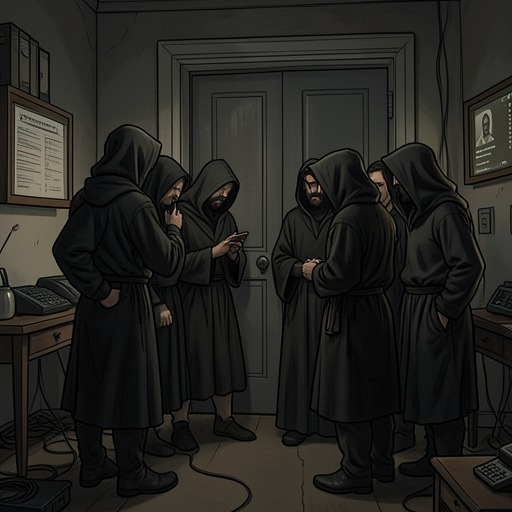
Word of the tattooed members, cast as devils in the spreading rumors, moved rapidly through the surrounding land. Within a fortnight, villagers killed all seven members and looted the treasury. The swift reversal—from a fortune that could rival kingdoms to the loss of the entire membership and its accumulated wealth—made the danger of disclosure concrete. The account identifies the trustee’s unilateral announcement as the breach that preceded the killings; it does not describe the violence in further detail.
Secrecy as Institutional Memory
After the massacre, maintaining secrecy became a tradition. In the society Evan encounters, all twenty-eight members are sworn to secrecy, and they withhold their identities from a candidate until that person has been accepted. Secrecy therefore marks the boundary between members and outsiders while also limiting what a newcomer can learn before passing the society’s identity test.
That test, the Ascension, requires a candidate to persuade a panel that they have lived before, using names, dates, places, and other verifiable details. Poppy contrasts this procedure with an older, lethal test: in earlier times, acceptance depended on returning in a later life and identifying the member who had killed the candidate. The account presents a society whose verification practices changed, while its need to protect its existence endured.
Wealth, Trust, and Belonging
The Cognomina also developed a way to preserve members’ assets across successive lives. A designated member holds the property of those who have died and returns it when they reappear; if the designate dies, an alternate takes over. The Ascension serves as the means of verifying identity before property can be reclaimed. This arrangement does not erase the treasury’s loss in the massacre, but it shows how the society’s later life depends on controlled access, mutual trust, and procedures for continuity.
Poppy’s account frames the massacre as more than a failed attempt at political rule: it is the founding caution behind a community that survives by keeping its collective identity hidden. The disclosure’s cost is remembered in rules that regulate who may know the Cognomina, who may join it, and how a returning member can be recognized.