The British Capture of Mocha
The Reincarnationist PapersThe British Capture of Mocha is the defeat that transformed Clovis from the town’s appointed defender into the solitary builder of a tower from the ruins of its citadel. As he later recounts it to Evan, the takeover is also a personal collision: Clovis and Ramsay, once bound by the same oath, meet on opposite sides of a British campaign to seize Mocha and its coffee-producing highlands. The town falls, Clovis’s force is shattered, and his return to the wreckage becomes an act of penance measured in labor rather than time.
Causes and Background
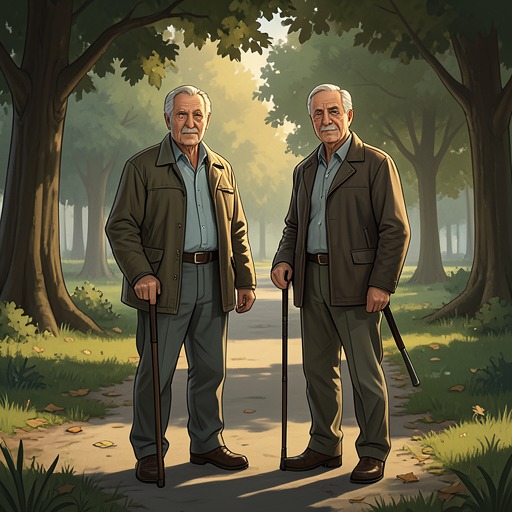
Before Ramsay arrived, Clovis served as Sherif of Mocha under Ali Abdul Pasha, who had hired him from Damascus. Ali Abdul Pasha sought to consolidate the territorial gains of his late father against the Ottomans, and he charged Clovis with the town’s protection and security. Clovis says that he was content with the responsibility and its generous pay. That settled arrangement ended when Ramsay came with a brigade of Dragoon fusiliers, intent on capturing the port and the coffee-producing highlands around it.
Ramsay’s arrival made the intended seizure visible only at the last moment. His brigade entered the harbor aboard the tall, three-masted clipper Trade’s Increase3, flying the Union Jack. The villagers gathered at the dock as they ordinarily did to welcome an English trading ship. Only after the vessel anchored broadside and trained its guns on the town did they understand that the visit was not a routine commercial call. A young messenger reached Clovis at his quarters in the stone citadel at the town’s heart; Clovis took two lieutenants and went to the dock.
The Encounter and the Terms
At the foot of the gangplank, Ramsay stood with a dozen red-coated soldiers carrying long muskets fitted with bayonets. Clovis parted the crowd and stood at attention before them. When Ramsay turned to greet him, he went pale. Their brief exchange in German established that neither had expected to find the other there. They had both taken an oath, but that shared bond did not remove the conflict: Ramsay was acting under a captain’s orders, while Clovis was responsible for defending Mocha.
Ramsay privately hoped to find a compromise that would let them leave the crossroads without fighting. Instead, he read out the British captain’s terms. The town was to surrender all municipal functions immediately; its transportation, including beasts of burden, would become Crown property; and all existing coffee stores and future production were to be sold to the Crown at five hundred riyals per ton in perpetuity. The city, port, and arable highlands were to be annexed as a British protectorate. The terms demanded not merely access to Mocha but control of its government, transport, trade, and surrounding land.
Clovis refused. He told Ramsay that he could no more allow the British to take Mocha than raise his own flag, and that accepting the terms would betray his duty to the town’s people. Ramsay said the captain would not negotiate over British rule. Clovis answered that there would be no negotiation. Ramsay pointed to the gathering crowd and warned that Clovis’s intransigence would lead them to their deaths. Clovis rejected Ramsay’s right to question his motives, then gave him one hour to leave: if the ship’s anchor was not up by then, Clovis threatened to throw the red coats into the Red Sea. Ramsay saluted and departed; Clovis briefed his lieutenants and began preparations.
The Capture and Retreat
The British did not leave. Ramsay’s warning proved accurate in its immediate consequence: the British overwhelmed the defenders. In the first minutes of fighting, eighty of Clovis’s hundred-man volunteer force were killed. The account describes men in the streets being shot, including those armed with sabers or daggers. The survivors were driven back into the citadel, which British cannon fire then razed.
Clovis organized a retreat when only six defenders remained. They escaped to a well on the hill overlooking the town and camped there for two nights. The other five men wanted to return to Mocha and avenge the deaths of their fathers, brothers, and sons. Clovis held them back, but by the end of the second night he could no longer persuade them to stay. They could see that his will to fight had gone. On the morning of the third day, he awoke alone.
The Tower and Its Meaning
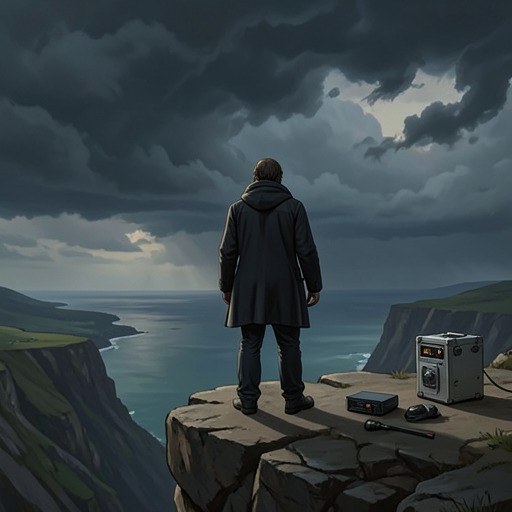
Clovis remained away from the town for a week, surviving on mollusks and water. Under cover of darkness, he then slipped back into Mocha and stole a British wagon. Each night he secretly loaded it with stones from the collapsed citadel, continuing until he had gathered enough to build the tower. The structure’s material carries the defeat forward: stones from the place that failed to protect the town become the means by which Clovis makes his penance visible.
The tower does not undo the capture, restore the dead, or resolve Clovis’s earlier choice to hold the surviving men back. Its significance lies in the effort of rebuilding from the wreckage he survived. When Evan asks how long the work took, Clovis does not give a duration; he says that penance is measured by effort, not time. In that answer, the defeat becomes more than a military loss. It is the past Clovis continues to carry, made into a daily task rather than a finished act of atonement.