The Smallpox Epidemic at Latsei
The Reincarnationist PapersThe Smallpox Epidemic at Latsei turns a village celebration into a sequence of illness, deaths, and a reckoning that endures across lifetimes. In Samas’s recollection of his life as Juan de Victoria, the outbreak is not only a catastrophe for the people of Latsei: it becomes the history behind Poppy’s hostility toward him and their disagreement over responsibility, blame, and the choices made while others were dying.
Celebration and First Signs
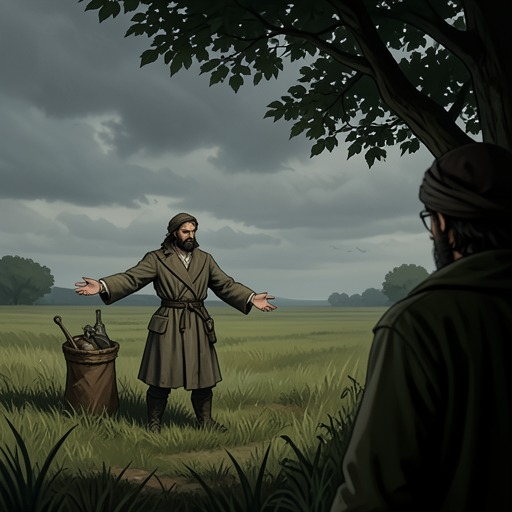
The crisis began in the aftermath of a communal celebration for Bando, whose returned identity was Nez-lah. Around the fire, Bando drew Juan into the dance, and the chief joined the circle. The chief grew progressively slower, stumbled, and collapsed during the fifth pass. He soon regained consciousness, but was too weak to continue; the villagers carried him home while the celebration went on without him. The change was abrupt: a night of collective dancing ended with the community’s leader incapacitated.
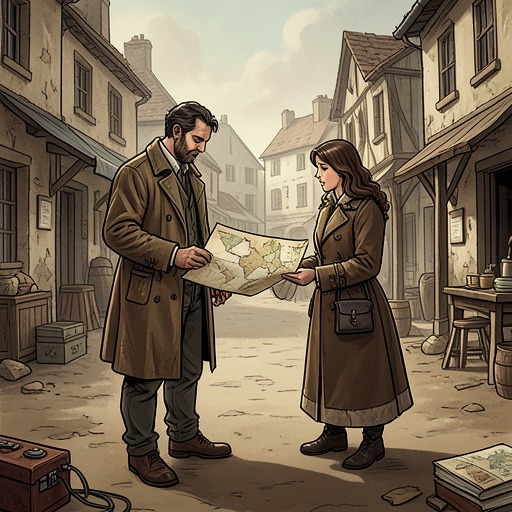
The following morning, Juan found Teszin attending the chief. She was performing a healing rite, while the chief showed signs of a serious illness. Bando was also present. Juan drew him away to the workshop and redirected his attention to the gold and silver work Bando had agreed to make. Bando accepted the request and began working. The episode thus places Juan’s immediate concern for the objects he expected to receive beside the first evidence that the village was in danger.
The Outbreak Spreads
Bando worked through the day and late into the night, interrupted mainly when Teszin brought food. Meanwhile, three more villagers fell ill. By the next day, the chief was asking how many people had reported symptoms. Teszin counted twenty-two with fever, weakness, and pain. The number marked a sharp escalation from the chief’s illness and the first three additional cases: what had seemed a private emergency had become a village-wide outbreak.
The chief understood that Bando had returned for a purpose and offered his own life, asking Bando to take it rather than let the others suffer. His words were cut short as his condition worsened. Juan supported the chief’s head, but Bando left without responding. The chief soon stopped breathing. Juan arranged his body and went back outside; the village, in his account, had fallen silent. The scene makes the loss personal without suggesting that the offer could halt the epidemic: even the chief’s death could not make the danger disappear.
Bando continued making the requested pieces, completing eleven gold and four silver items. Juan judged them sufficient and left the workshop. He already recognized the disease and expected that only a few people at Latsei would survive. His knowledge came from having seen a similar epidemic devastate Samarkand, where, as he remembered it, only a small remnant of the original population remained and no one over thirty-five survived. That earlier experience gave Juan a grim understanding of what was happening, but it did not immediately make him abandon the valuables or his plan to leave with them.
At his camp, Juan returned to sketching the village buildings and the cliffs. He considered leaving the following day and avoiding further exposure, weighing the danger against the value of the pieces Bando was making. His drawing included two young men carrying a body toward the place where the bonfire had burned. Bando, meanwhile, remained at work and did not attend to the worsening outbreak. The next morning, seven bodies had been laid out near his workshop. The contrast is central to the episode: the epidemic advances through the village while Juan and Bando continue, for different reasons, with the work and plans that connect them.
Confrontation at Bando’s Workshop
After the village’s lament ended at daybreak, Juan saw a group of about fifteen adults approaching Bando’s door. They moved together, some carrying clubs; Teszin was not among them. Juan drew his sword and calculated how to respond, aware that violence could turn toward him or Bando and that the gold made departure harder. Before he reached the group, several people had entered the workshop. Bando emerged struggling against villagers holding him, broke free, and fell near the gathered crowd. As they assaulted him, he called for Teszin.
Juan ran toward the village, shouting and waving his sword to draw the crowd’s attention away from Bando. The villagers turned toward him, and Bando crawled along the outside wall. Juan then slowed as the mob focused on him. The episode does not resolve the epidemic through a rescue or a cure; instead, it ends this part of the crisis with Juan intervening in a confrontation after he has already recognized the danger and delayed leaving. His action offers Bando an opening, but it does not undo the deaths or restore the community.
Memory and Responsibility
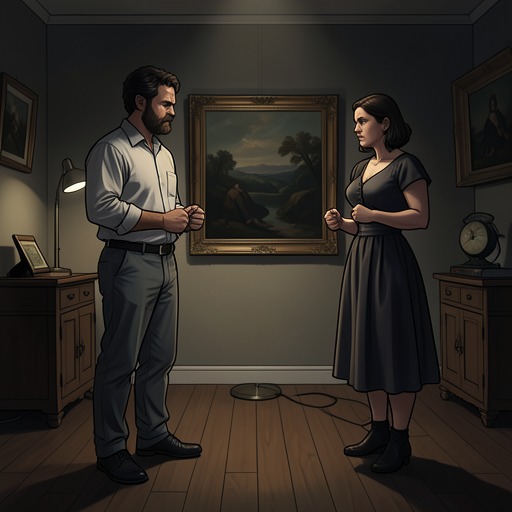
When Samas later explains the event to Evan, he links Poppy’s enduring hostility to what he did on Latsei’s last day and to the outbreak’s consequences. In Samas’s account, Poppy feels responsible for the villagers’ deaths because her search for them exposed them to smallpox that had been latent in both her and Samas’s bodies. This is his explanation of her burden, not a claim that she intended the catastrophe. He distinguishes responsibility from culpability: he considers her responsible for the chain of events without calling the deaths her fault, and says that his own transgression was witnessing her responsibility.
That distinction gives the recalled epidemic its lasting significance. The villagers’ suffering is not reduced to a verdict assigning a single guilty person; Samas instead describes responsibility as something a person can carry even when the outcome was unintended. His account also places his own conduct within the moral history between the two reincarnates: he remembers the bodies, the delay, the valuables, and the final attack, while Poppy’s grievance is tied both to his actions that day and to the deaths she believes she could have prevented. The outbreak therefore returns in their later relationship not as a distant episode, but as an unresolved measure of what each believes the other must live with.