The cowbird metaphor
The Reincarnationist PapersThe cowbird metaphor is Evan Michaels’s explanation of his estrangement from his parents in Minnesota: like a young bird raised in another species’ nest, he was cared for as one of the family until his difference became visible. By ending the analogy with the sense that this had been his experience until now, Evan makes it not only an account of rejection but also a statement about the belonging he is beginning to find.
The Analogy
Evan describes the Cowbird as laying its eggs in robin nests. The eggs hatch alongside the robins’, and the young Cowbirds initially resemble their hosts closely enough that the adult birds feed, nurture, and protect them as their own. The decisive change comes as the young mature: the hosts recognize the difference and spurn the bird they had treated as family. The rejected bird, Evan emphasizes, is by then strong enough to survive, though it does not know where it comes from or why it is different.
Use in Evan’s Testimony
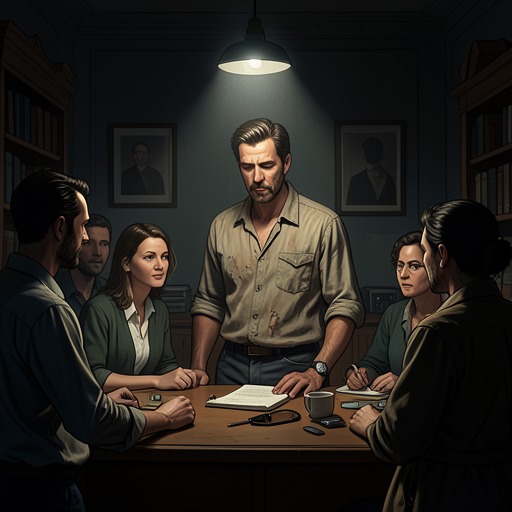
The metaphor answers a direct question about what happened to Evan’s relationship with his parents after he realized he was different. He pushes his chair back before beginning, then pans his attention across the panel and gallery as he concludes that the Cowbird’s predicament describes his own experience until now. The shift from the bird’s nest to the audience makes the analogy part of his effort to explain not merely that he felt different, but how recognition of that difference altered his place in a family.
Meaning and Context
The image holds rejection and survival together: the young bird is cast out, but not before it can live independently. Evan’s final qualification, that this was his experience until now, leaves the metaphor open to a change in belonging rather than treating exclusion as the end of his story. After several seconds of silence, an Egyptian panelist turns to the account of the fire that led Evan’s first advocate to find him, moving the hearing from his family estrangement to another part of his past.