The dark brother
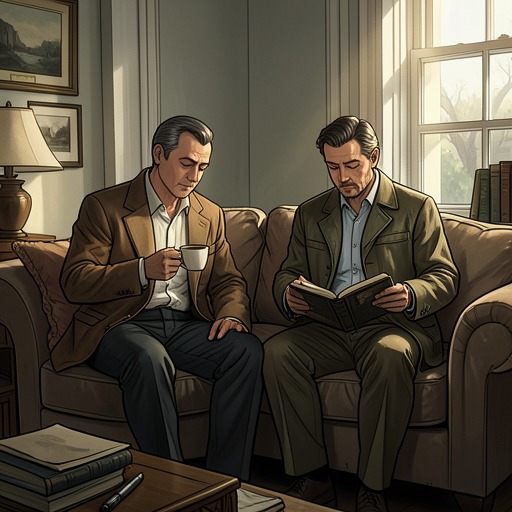
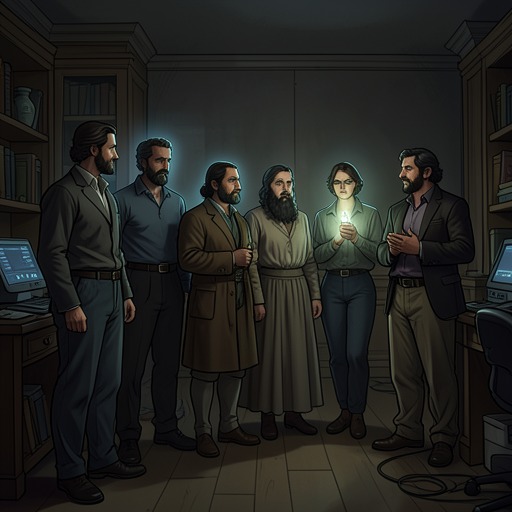
The Reincarnationist Papers“The dark brother” is an image for the evil a person carries within, including the capacity to do wrong. In the speaker’s account, freedom comes not from shifting blame to a divine authority or seeking absolution, but from facing this inner double and accepting responsibility for it.
Meaning and Responsibility
The expression arises from a distinction between people who remember previous lives and “normal humans,” as the speaker describes them. The former know that no divinity can bear responsibility for their errors; the latter may embrace the divine as a place to lay their sins and find absolution. But the speaker insists that those who remember previous lives live in the wider human world, not the other way around. A desire for absolution and knowledge of the truth will eventually prove incompatible: responsibility, rather than absolution, is the only vehicle for solace.
Confronting the Inner Double
The dark brother is also an image of unrighted wrongs that continue to haunt a person. The speaker believes such wrongs still haunt Poppy and may haunt the listener too, though only the listener can know for sure. The proposed response is to look directly at the fiend, take in its repellent features, and recognize it as part of oneself: “Yea I know thee brother, and love thee as I love myself, for we are one and the same.” The language makes acknowledgment a form of assimilation; until the fiend is accepted, it retains an unspoken but unassailable mastery over its host.
Evil and the Possibility of Freedom
The speaker answers the question of whether people who remember previous lives are evil in the affirmative, qualifying that judgment by saying evil may be present as capacity rather than action: “we are evil, even if we only have the capacity for it.” The dark brother gives that latent potential a personal form. It is neither excused nor made foreign to the self. Only by embracing it, the speaker argues, can a person attain true freedom. The expression therefore binds moral recognition to responsibility: the self cannot become free by denying its capacity for harm.