The last bullet
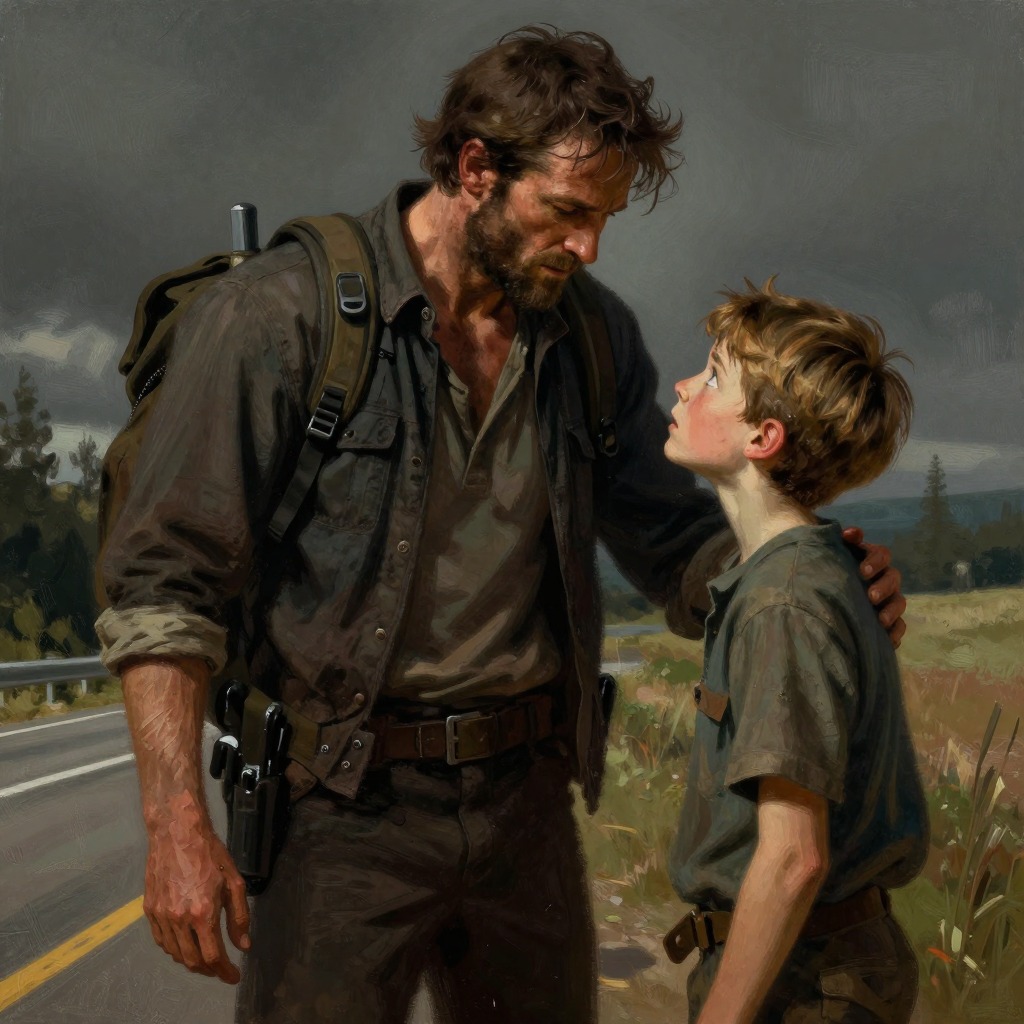
The RoadThe last bullet is a recurring motif in Cormac McCarthy's The Road, representing the man's ultimate contingency plan to prevent the boy from being captured, tortured, or eaten by the marauding bands that roam the post-apocalyptic landscape. It is the physical embodiment of a promise—and a threat—that the man carries with him, a final act of mercy and violence that he is prepared to execute should the worst come to pass. The bullet's presence, its dwindling number, and the man's eventual inability to use it as planned form a central arc of tension and moral reckoning in the novel.
Origin and Purpose
The man's commitment to using the last bullet on the boy—and on himself—is rooted in a conversation with his wife before she abandoned them. She argued that they were not survivors but "the walking dead in a horror film," and that sooner or later they would be caught, raped, killed, and eaten. She insisted that the man could not protect them, and that the only rational course was to use the two bullets in the gun to end their lives before that happened. The man refused, and she left to die by her own hand, using a flake of obsidian he had taught her to sharpen. The man's refusal to accept her logic, even as he carries the means to carry it out, defines his relationship to the last bullet: it is a promise he makes to himself, not a plan he fully endorses.
The Bullet as a Moral and Practical Burden
As the journey progresses, the man's physical condition deteriorates. He coughs blood, grows weaker, and knows that death is approaching. The revolver, which once held two bullets, now holds only one. The man's thoughts turn repeatedly to the moment when he will have to use it. He sits by a gray window in an abandoned house, watching the boy sleep, and asks himself: "Can you do it? When the time comes? Can you?" The question is not about his own death but about the act of killing his son. The bullet becomes a psychological weight, a test of his love and his resolve.
The Moment of Crisis
The most direct confrontation with the last bullet occurs during the night after the man kills the roadagent who threatened the boy. They are lost in the woods, freezing, and the boy falls and will not get up. The man wraps him in his own parka and blanket, sits holding him, rocking back and forth. He has "a single round left in the revolver." The internal voice of his wife returns: "You will not face the truth. You will not." The man is paralyzed, unable to act, unwilling to accept that the moment has come. He does not use the bullet. Instead, he waits, and in the grudging light of dawn, he carries the boy on, finding a way to survive another day.
The Bullet's Transformation
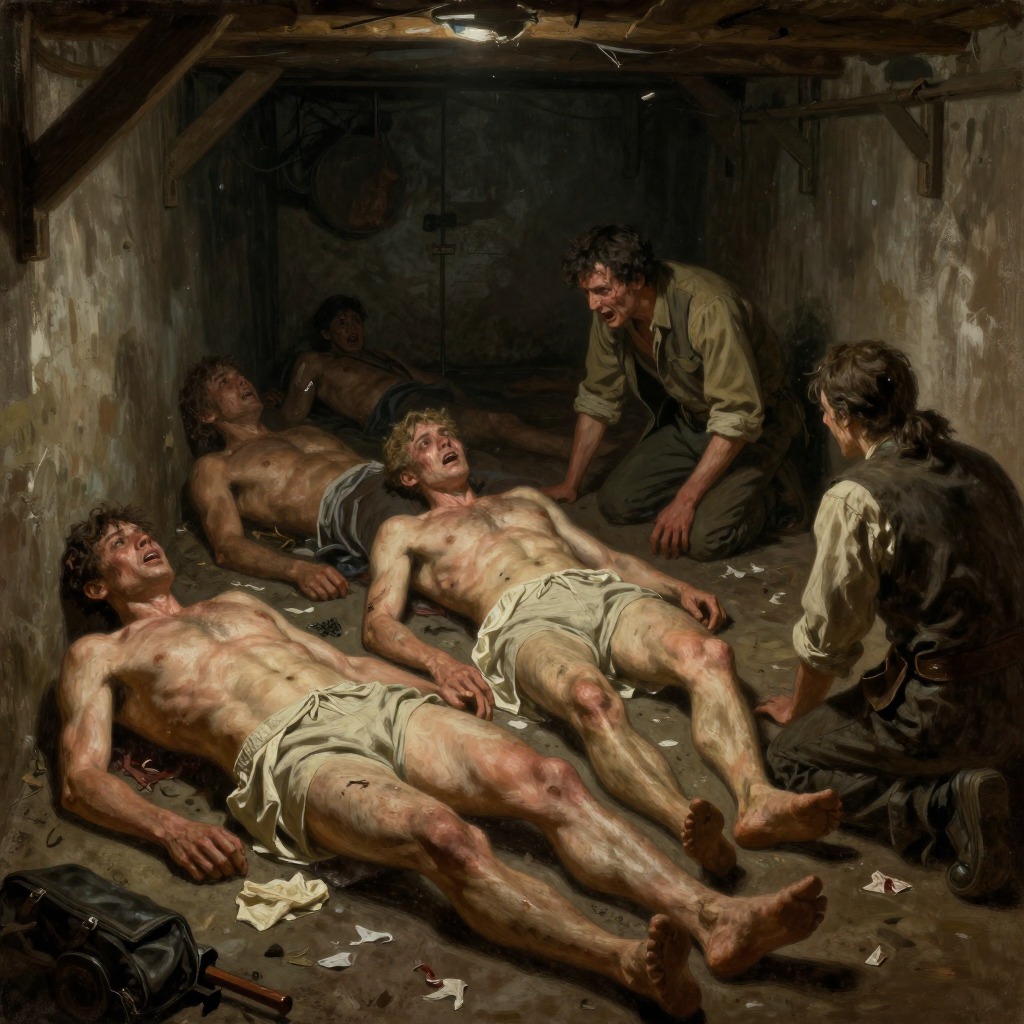
After the man and the boy discover the bunker filled with food and supplies, the man's relationship to the last bullet changes. He sits on the bunk and whittles fake bullets from a tree branch, fitting them carefully into the empty bores of the cylinder. He shapes the ends with his knife, sands them smooth with salt, and stains them with soot until they are the color of lead. When all five are done, he fits them to the bores and snaps the cylinder shut. Even close up, the gun looks as if it were loaded. This act is a kind of ritual, a way of maintaining the illusion of power and protection. The real bullet remains, but it is now hidden among the fakes, a secret the man keeps even from himself.
The Final Refusal
When the man lies dying, he tells the boy that he cannot hold his son dead in his arms. "I thought I could but I cant," he says. The last bullet, which was meant to be the instrument of a merciful death, is never used. The man's love for the boy, his inability to commit the act, overrides the logic of survival and the promise he made to himself. The bullet remains in the revolver, and the boy carries it with him when he goes with the new family. It is a symbol of the man's failure to follow through on his own plan, but also of his ultimate refusal to let the world's cruelty define his final act. The last bullet is not fired; it is passed on, a silent testament to the man's love and his hope that the boy will find a different ending.