The sea
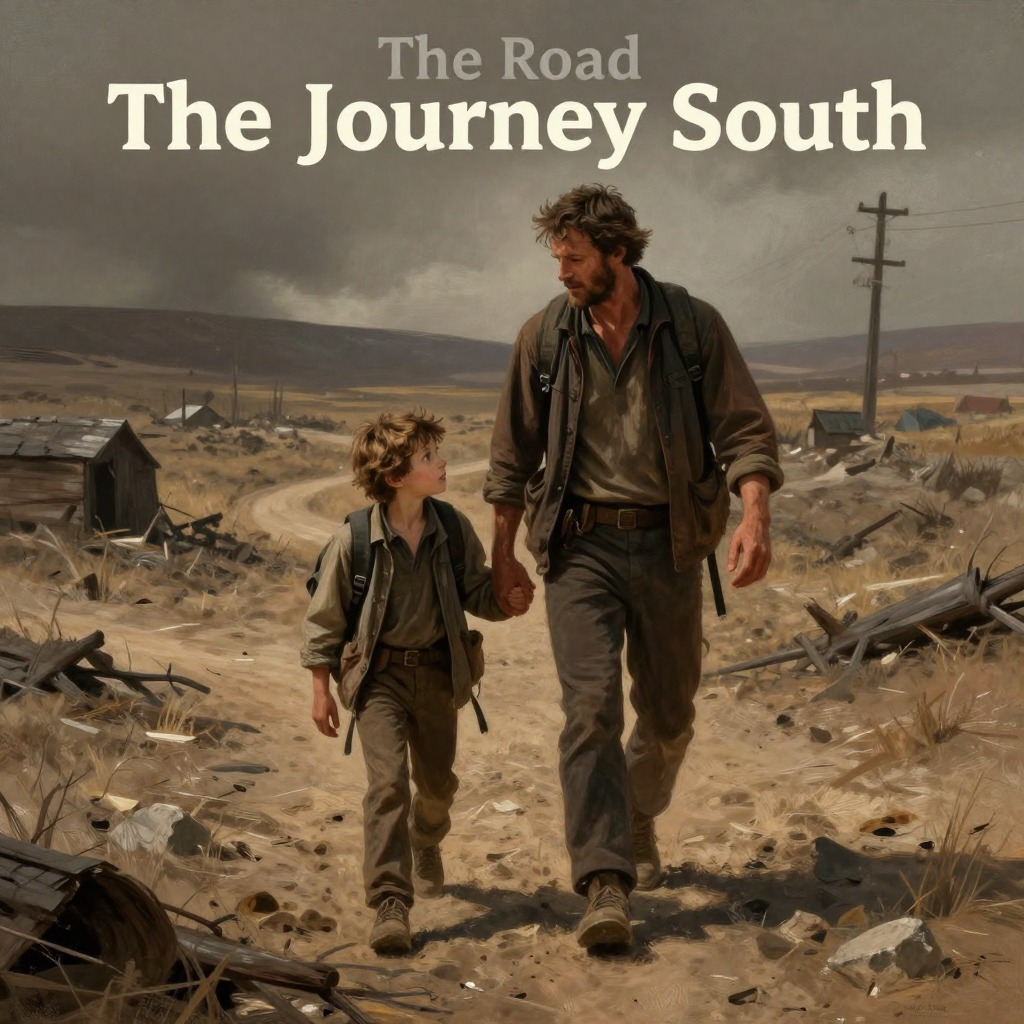
The RoadThe sea is the ultimate geographical goal of the man and the boy's journey south in Cormac McCarthy's The Road, a destination that promises warmth and a new beginning but instead delivers a cold, gray, and lifeless expanse that mirrors the ash-covered land they have crossed. Its arrival marks a crucial turning point, forcing both characters to confront the failure of their long-held hope and to redefine what survival and goodness mean in a world stripped of all color and vitality.
The Journey's End and the Disappointment of Arrival
After months of trudging through a burned and ash-choked landscape, the man and the boy finally reach the coast. The man had placed all his hopes on reaching the sea, believing that everything depended on it. When they come upon it from a turn in the road, they stop and stand with the salt wind blowing in their hair. The boy's first question reveals his deep-seated expectation: "Is it blue?" The man can only answer, "I dont know. It used to be." What they find is a gray beach with slow combers rolling dull and leaden, the distant sound of it like "the desolation of some alien sea breaking on the shores of a world unheard of." Out on the tidal flats lies a half-careened tanker, and beyond that, the ocean is vast and cold, shifting heavily like a slowly heaving vat of slag, with a gray squall line of ash on the horizon. The man can see the disappointment in the boy's face and apologizes: "I'm sorry it's not blue." The boy's simple reply, "That's okay," masks a profound loss of innocence and the final collapse of the world he had imagined.
A Landscape of Absolute Desolation
The sea and its shoreline offer no respite or beauty. The beach is cold, desolate, and birdless. The wind blows, and dry seedpods scamper down the sands and stop. Along the shore are windrows of small bones in the wrack and the salt-bleached ribcages of what may have been cattle. The sea itself smells faintly of iodine, but there is no sea smell to it. The man and the boy sit wrapped in blankets in the wind-shade of a great driftwood log, staring out at the bleak sea washing up at their feet. The ocean is a "gray desolation" and an "endless seacrawl." The tide line is a woven mat of weeds and the ribs of fishes in their millions stretching along the shore as far as the eye can see, forming "one vast salt sepulchre. Senseless. Senseless." This is not a place of life or renewal but a vast, indifferent graveyard.
The Sea as a Site of Final Confrontation and Reflection
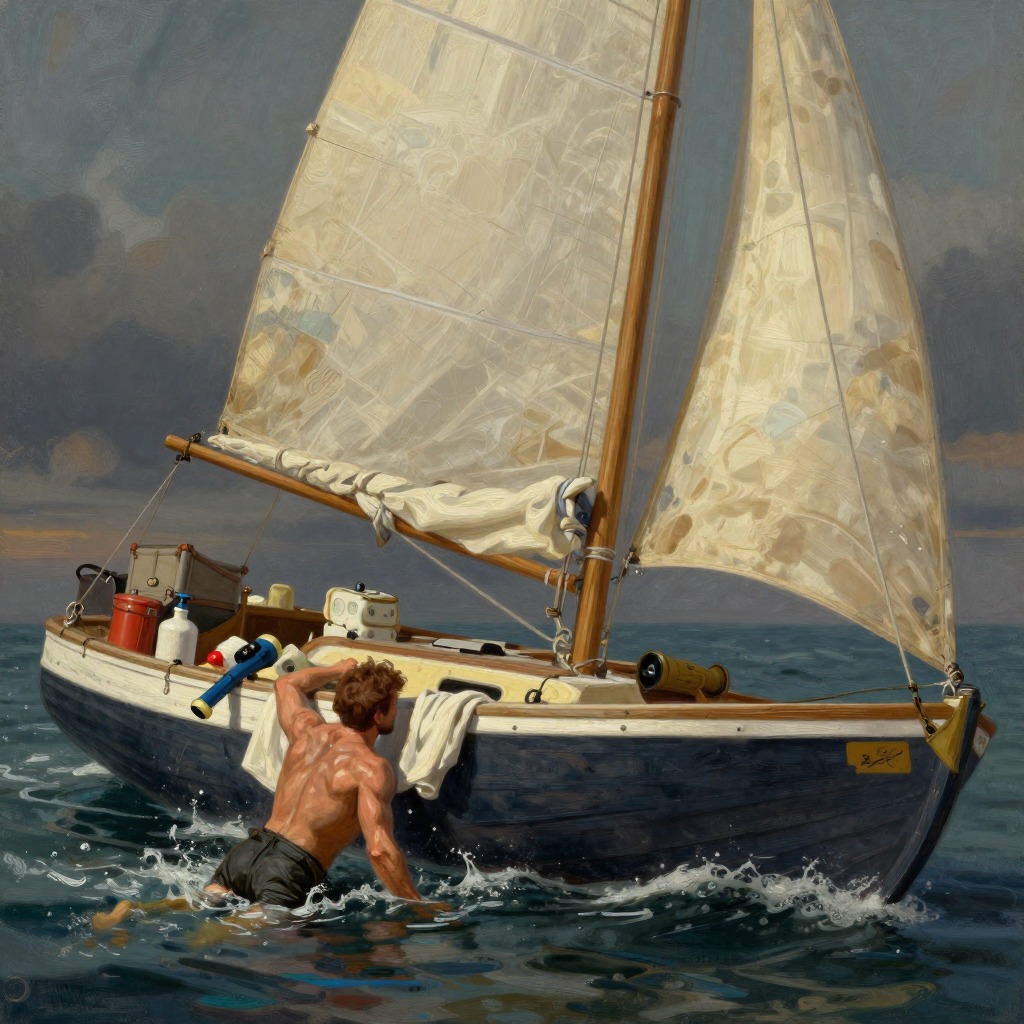
Despite its bleakness, the sea becomes the setting for the story's final, most intense phase. It is here that the boy falls gravely ill, and the man, in his terror, must confront the possibility of having to kill his own son to spare him from a worse fate. The sea also provides the man with a final, desperate windfall: a wrecked sailboat, the Pájaro de Esperanza, from which he salvages food, clothing, a first-aid kit, and a flare gun. The sea is also the site of the man's deepest reflections. At night, he walks out on the beach, wrapped in his blankets, and thinks of "deathships" drifting with their lolling rags of sail, or of life in the deep—great squid propelling themselves over the floor of the sea in the cold darkness. He imagines that perhaps beyond those shrouded swells, another man walks with another child on the dead gray sands. The sea, in its vastness and emptiness, becomes a canvas for his last hopes and his final, crushing despair. It is on the beach that he fires the flare gun into the night, a desperate, meaningless signal to no one, and it is here that he whispers, "Every day is a lie... But you are dying. That is not a lie."