flare gun
The RoadThe flare gun is a 37-millimeter bronze signal pistol that the man recovers from a hidden compartment aboard the wrecked sailboat Pájaro de Esperanza, a discovery that transforms it from a mere maritime artifact into a vital instrument of survival and a vessel of symbolic meaning in the post-apocalyptic world.
Discovery and Recovery
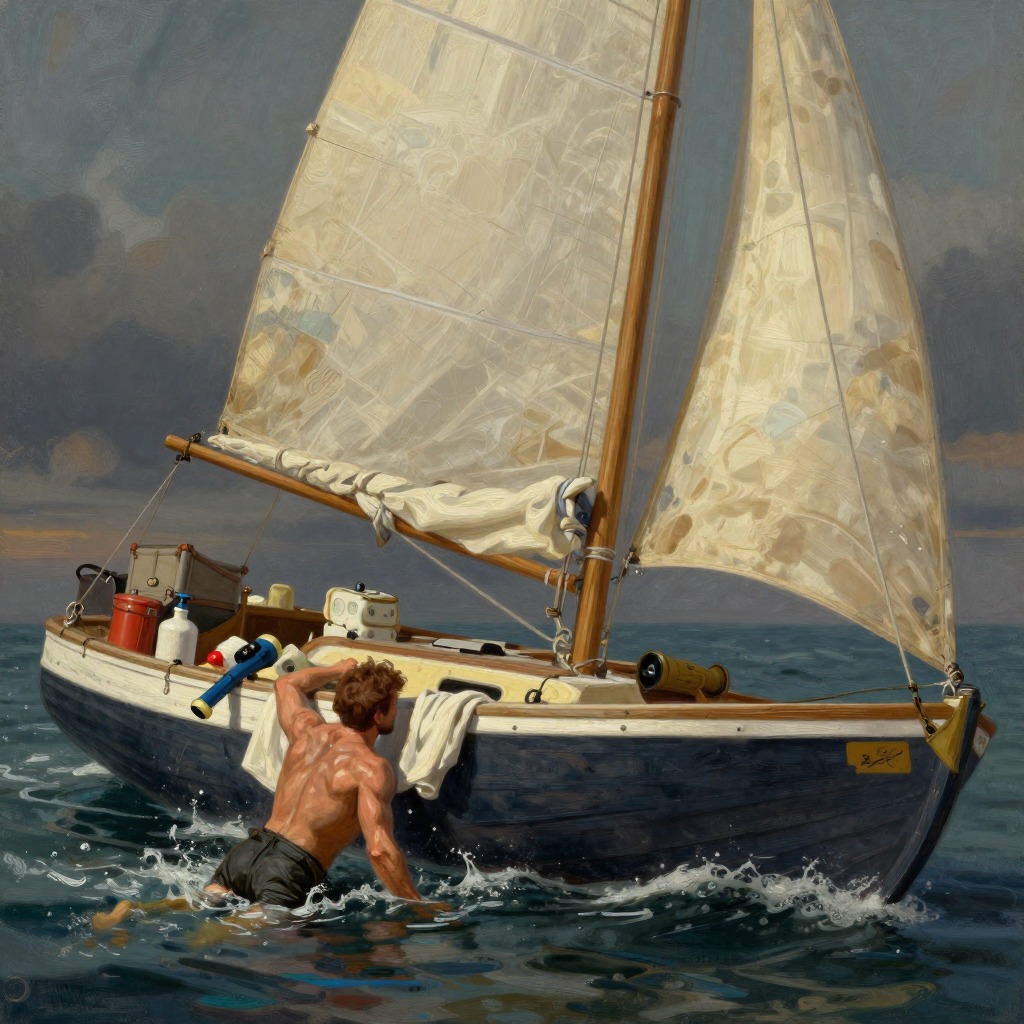
The man finds the flare gun not in plain sight but concealed within a composite toolbox sealed with black electrical tape, stowed under a bench in the cockpit of the Pájaro de Esperanza. The boat, a twin-masted rig stripped to the deck and keeled over in shallow water off the coast, had been ransacked by the sea rather than by human scavengers, yet this compartment remained intact. Inside the toolbox, alongside a yellow plastic flashlight, an electric strobe beacon, a first-aid kit, and a yellow plastic EPIRB, lies a black plastic case about the size of a book. The man unsnaps the latches and opens it to reveal an old 37-millimeter bronze flare pistol, fitted snugly in the case. He lifts it in both hands, turns it, and examines it; the chamber is empty, but a plastic container holds eight rounds of flares, short and squat and new-looking. He fits the pistol back into the case, closes and latches the lid, and wades ashore shivering and coughing, carrying the boxes with him. The boy, crouching by the fire, asks what he found, and the man shows him the flare gun, explaining it is for signaling. The boy lifts the gun from the case and holds it, asking if it can shoot somebody; the man replies that it could, but would not kill them—it might set them on fire. When the boy asks if that is why he got it, the man answers yes.
Use as a Weapon
The flare gun proves its worth as a weapon when the man and boy are ambushed in a small port town. As they pass the last of the sad wooden buildings, something whistles past the man's head and clatters off the street. He grabs the boy and falls on top of him, pulling the cart toward them. In an upper window, a man is drawing a bow on them. The man hears the dull thwang of the bowstring and feels a sharp hot pain in his leg from an arrow. He claws the blankets aside, lunges for the flare gun, raises it, cocks it, and rests his arm on the side of the cart. When the archer steps back into the window frame to draw the bow again, the man fires. The flare rockets up toward the window in a long white arc, and then they hear the man screaming. The man reloads the pistol from the case, puts the rest of the loads in his pocket, and limps across the street to the house, entering through the back door with the flare gun leveled at his waist. He finds a woman sitting in the corner holding the wounded archer; the flare has burned out in the floor, leaving a patch of white ash. The man's leg is bleeding badly, but the flare gun has driven off the threat.
Symbolic and Emotional Significance
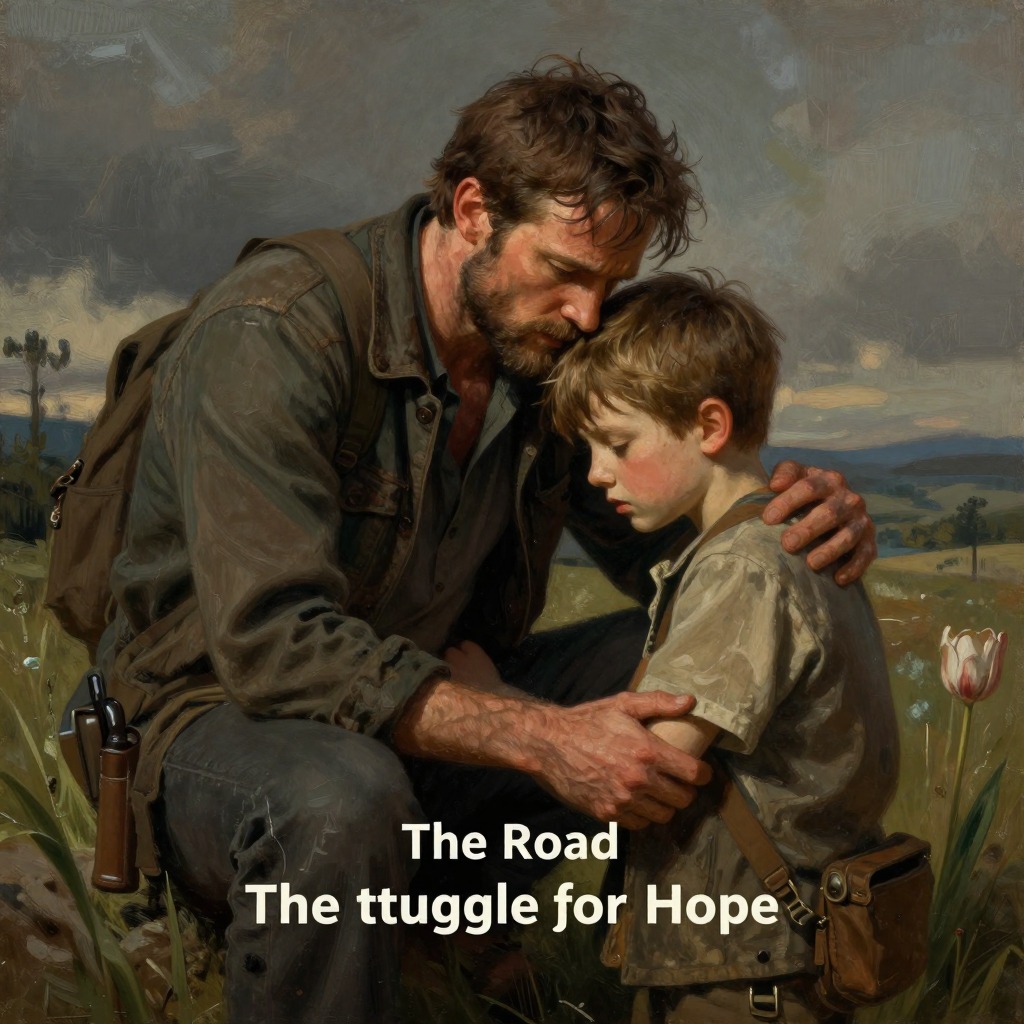
Beyond its practical use, the flare gun becomes a symbol of hope and a means of emotional expression. The boy, fascinated by the weapon, asks to see it fired. The man agrees, and that night they walk out down the beach away from the fire. The man cocks the gun, aims it out over the bay, and pulls the trigger. The flare arcs up into the murk with a long whoosh and breaks somewhere out over the water in a clouded light, hanging there. The hot tendrils of magnesium drift slowly down the dark, and the pale foreshore tide starts in the glare and slowly fades. The boy looks up at his father, and when asked if they could see it very far, he replies no. The man asks who the flare was for, and the boy suggests the good guys, or anybody they wanted to know where they were—like God. The flare gun, in this moment, becomes a prayer, a signal not for rescue but for witness, a fragile assertion of presence in a world that has forgotten them. Later, when the man is dying, the boy leaves the flare gun behind as he goes to scavenge for food, taking only the revolver, but the flare gun's legacy endures in the boy's memory of that celebration on the beach.
Narrative Role and Evaluation
The flare gun functions as a narrative device that bridges the practical and the symbolic. It is a tool of last resort, a weapon that saves their lives, and a source of wonder and beauty in a gray world. Its discovery on the wrecked sailboat, a vessel named Pájaro de Esperanza (Bird of Hope), reinforces its thematic resonance: hope, however fragile, persists. The man's decision to keep it, to show it to the boy, and to fire it as a celebration underscores the novel's central tension between despair and the will to continue. The flare gun is not merely an object; it is a testament to the human need for meaning, for ritual, and for the belief that someone—or something—might be watching.