grocery cart
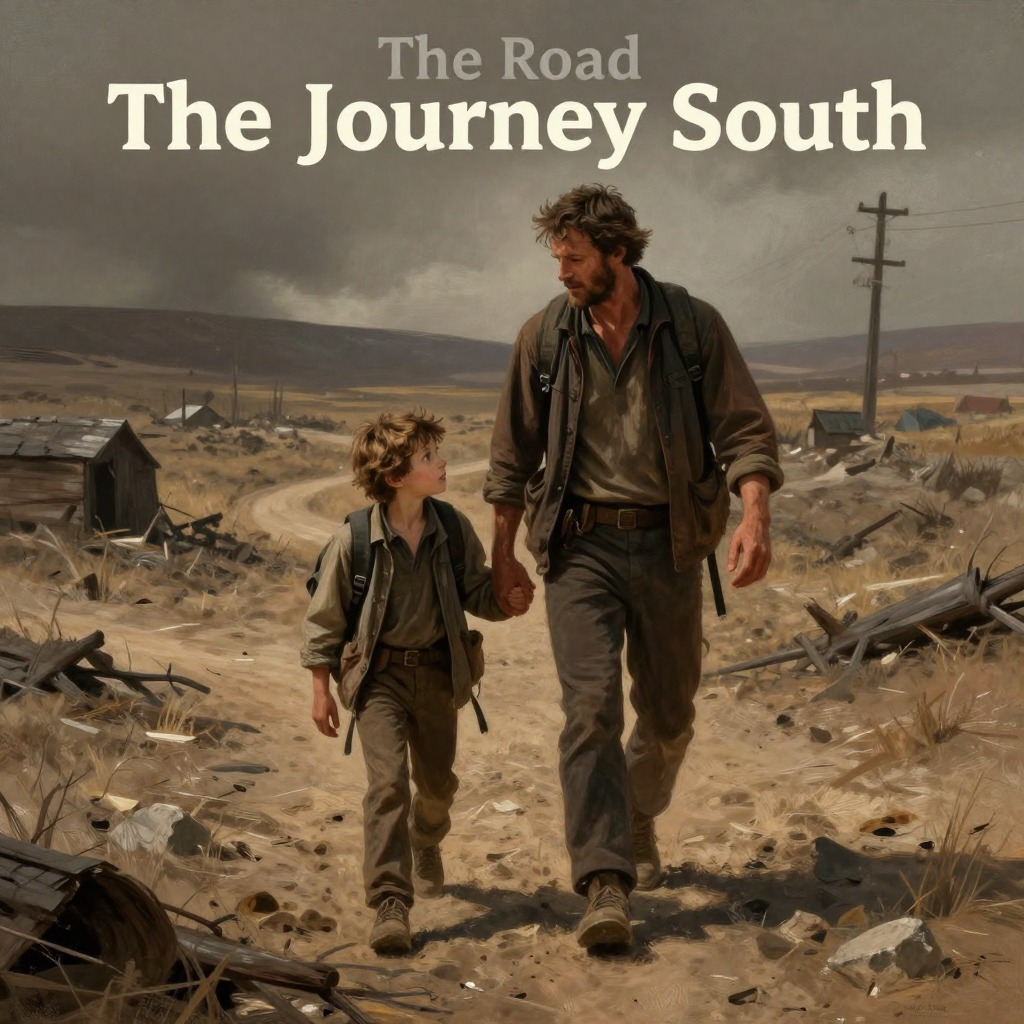
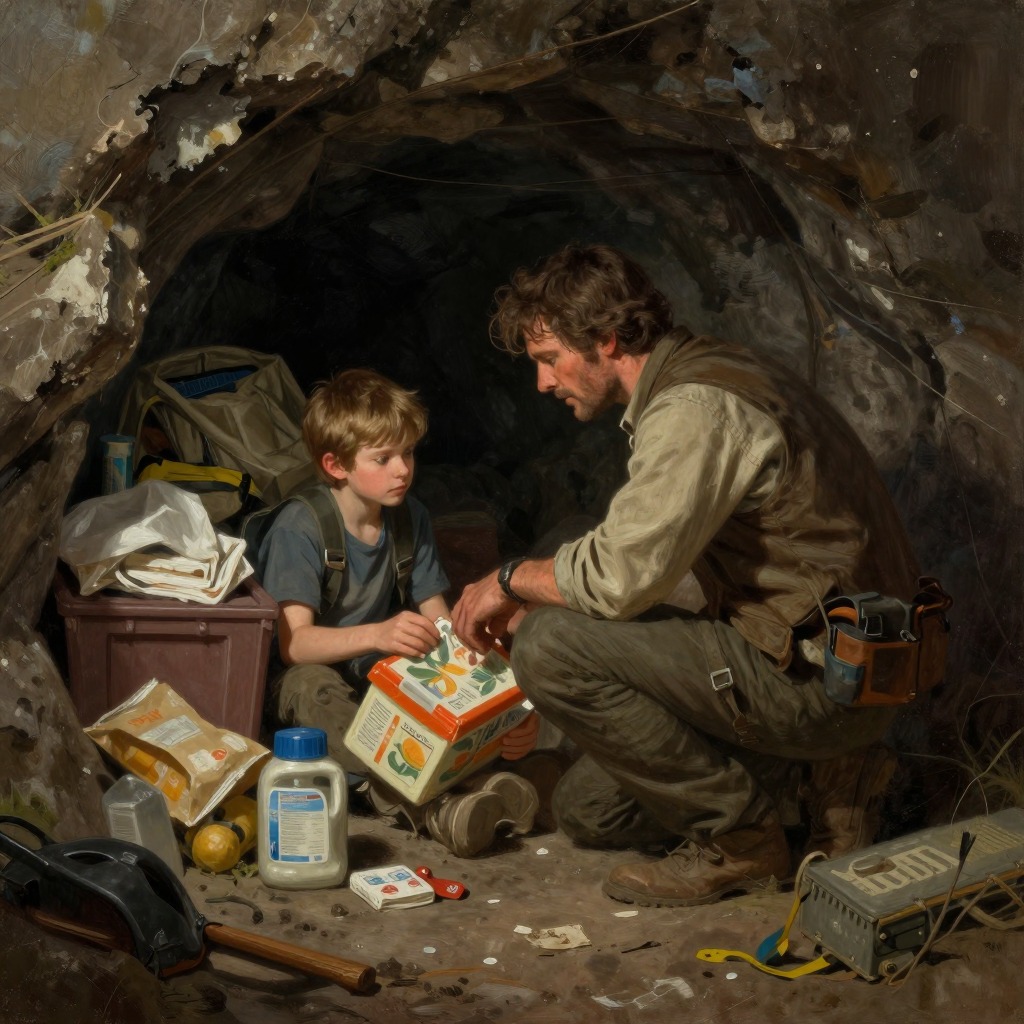
The RoadThe grocery cart is the man and the boy's most vital piece of equipment, a humble shopping cart that serves as their wagon, their storage unit, and their home on wheels. From the first morning they set out, the man pushes the cart while both carry knapsacks containing essential things in case they have to abandon it and run. Clamped to its handle is a chrome motorcycle mirror that the man uses to watch the road behind them, a constant vigilance against the threats that stalk the wasted country. The cart is the physical container of their world, holding the blue plastic tarp, their plates, cornmeal cakes, blankets, and the pistol that is their only defense. It is the vessel that carries the boy's book, the little slutlamp that lights the long gray dusks, and the precious motor oil that fuels it. The cart is not merely a tool; it is the material anchor of their fragile existence, the object around which their daily rituals of survival are organized.
The Cart as a Measure of Hardship and Adaptation
The cart's condition and the man's constant modifications to it become a running index of their suffering and ingenuity. One of the front wheels goes wonky while they are fording a cauterized terrain, and the man must stop at a roadside garage to pull the bolt, bore out the collet with a hand drill, and resleeve it with a section of pipe cut to length with a hacksaw. Later, he fashions sweeps from two old brooms and wires them to the cart to clear limbs from the road, then puts the boy in the basket and stands on the rear rail like a dogmusher, guiding the cart down hills with their bodies like bobsledders—the first time he has seen the boy smile in a long time. When the snow deepens in the mountains, the cart becomes nearly impossible to push, and the man has to drag it behind him with one hand while he breaks trail. The wrappings on their feet soak through, and they are cold and wet all day. The cart is a constant, grinding presence, its squeaking wheel a periodic reminder of their slow, painful progress. When the truck people plunder the cart, the man finds it still lying there but stripped of most of their supplies, the boy's books and toys scattered in the leaves. He rights the cart and puts the boy's things back in it, a small act of restoration in the face of utter loss. The cart is also the site of their most desperate moments: when the man is sick with fever, he leans on the bar handle of the cart, coughing, and the boy watches him, knowing that the cart is the only thing that keeps them moving forward.
The Cart as a Target and a Prize
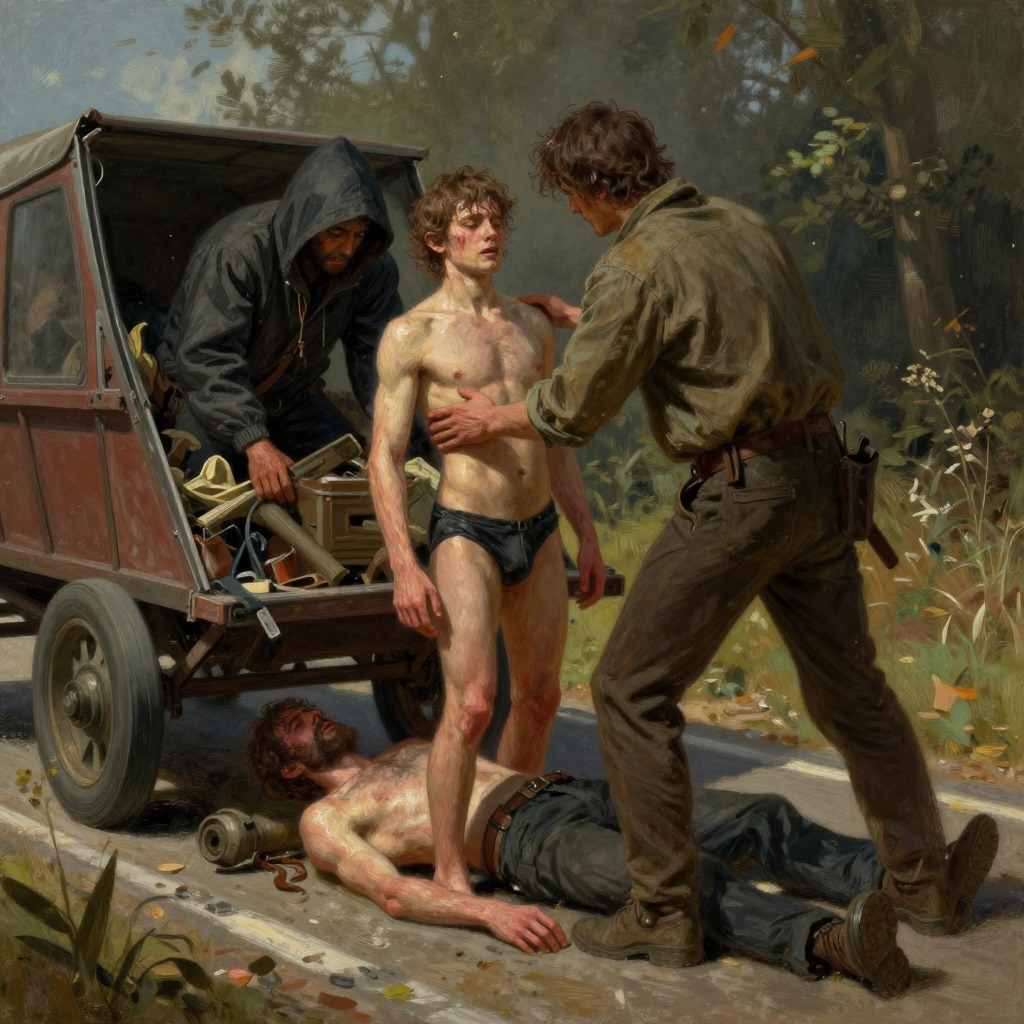
The cart makes them visible and vulnerable. When the man and the boy are ambushed by roadagents, the man drags the cart through the trees and tilts it over where it will not be easily seen. Later, when they are on the beach, the thief steals the cart, taking everything—the tarp, the blankets, the water bottle, their campsite store of food, and even their shoes. The man and the boy must chase the thief, tracking the cart by the half teaspoon of beach sand that falls from its understructure. The cart becomes the object of a desperate pursuit, and when they overtake the thief, the man forces him to strip naked and leave his clothes in the road, a brutal act of retribution that the boy cannot bear. The cart is also the reason they are shot at by an archer; the man uses the cart as cover, firing the flare gun from behind it. The cart is a constant liability, a heavy, creaking, squeaking target that announces their presence and slows their escape. Yet it is also the only thing that allows them to carry enough supplies to survive.
The Cart's Final Abandonment and Legacy
When they reach the coastal plain, the cart is so loaded that it is hard to push, and one of the wheels is giving out. They eventually come upon a landscape of dead windfalls and wreckage, and the cart can no longer be pushed through the debris. The man finds a canvas bag and a small suitcase for the boy, and they pack their blankets, the tarp, and what is left of the canned goods, leaving the cart behind. The cart, which has been their constant companion for hundreds of miles, is finally abandoned in the ruins. It is a silent testament to their journey, a piece of the old world that has been worn down, repaired, plundered, and ultimately discarded. The cart's abandonment marks the final stage of their journey, a point at which the man's strength is so depleted that he can no longer manage even this most basic tool of survival. The cart, in its humble, battered way, is a symbol of their entire struggle: a thing of the old world, repurposed for a new one, pushed to its limits, and finally left behind as they face the end.