the word of God
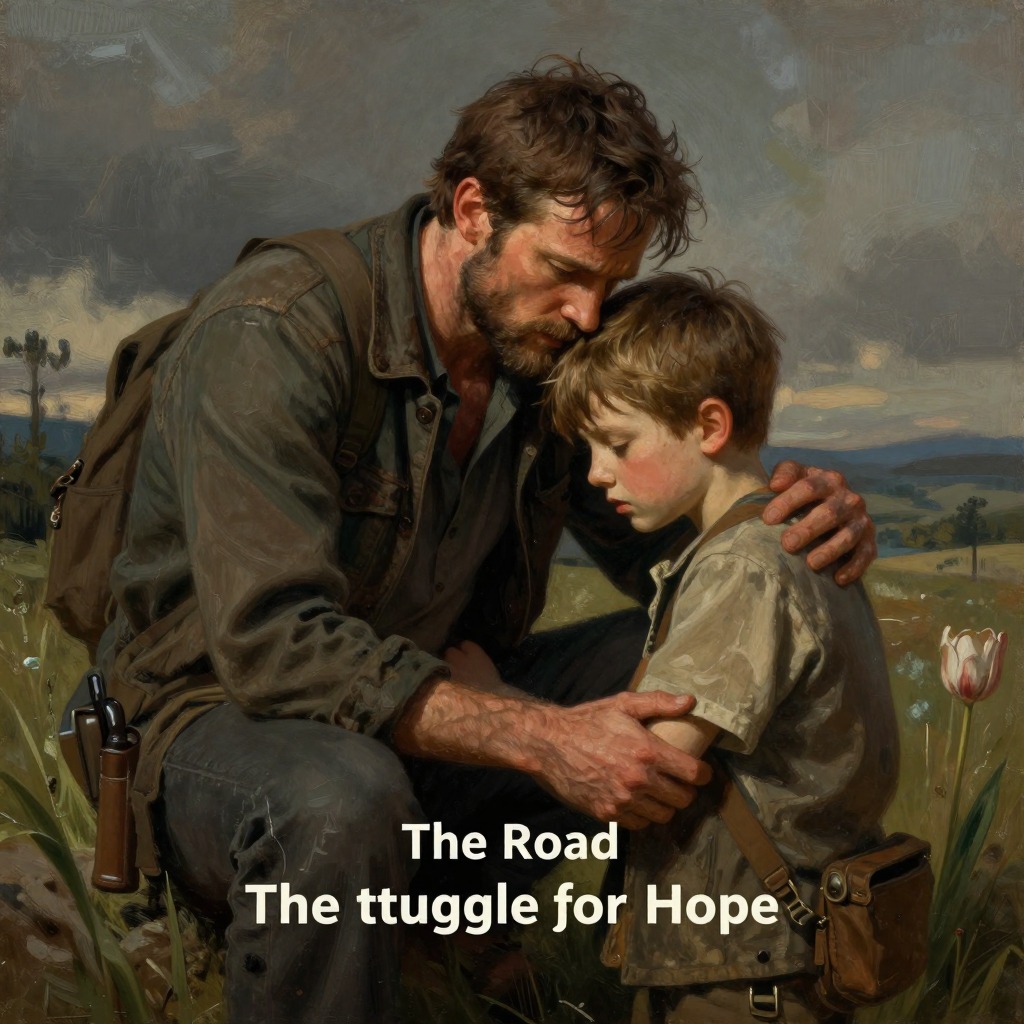
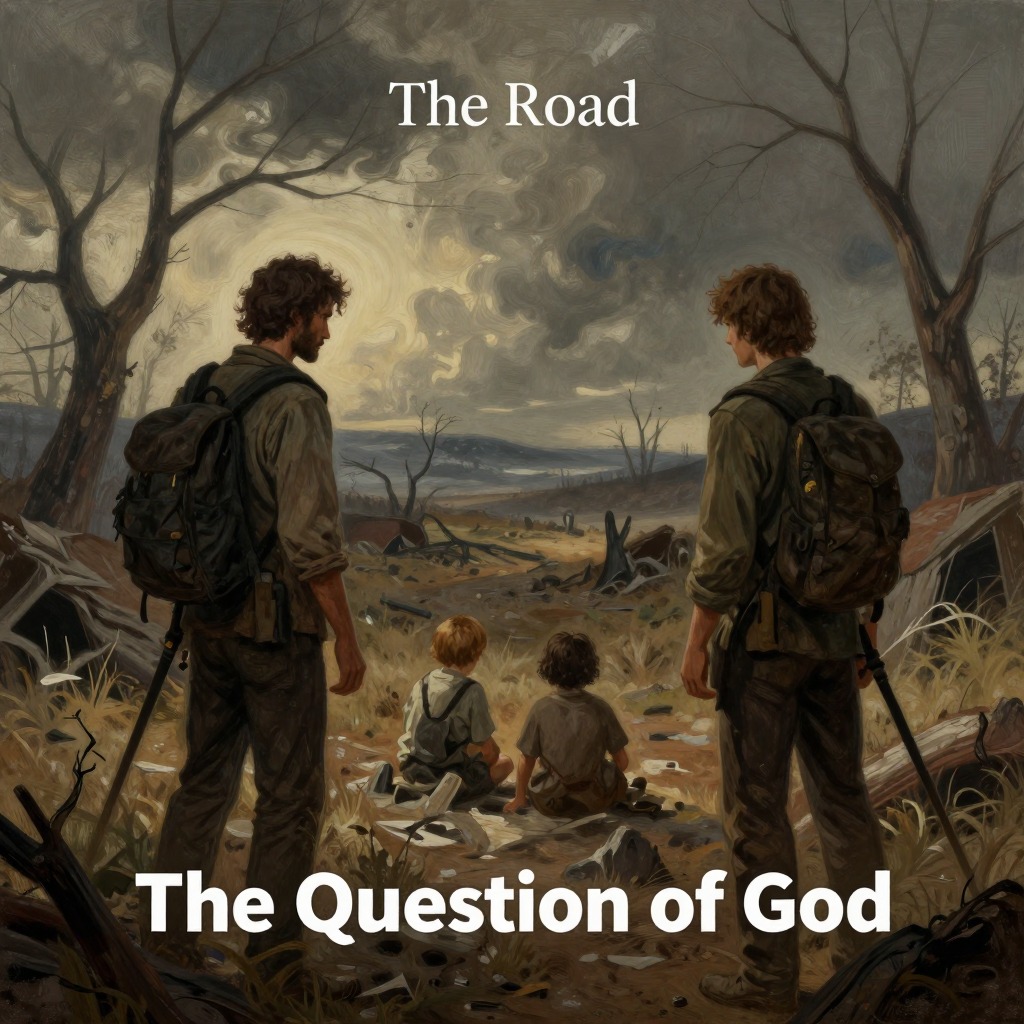
The RoadThe phrase "the word of God" appears at a pivotal moment early in the novel, when the man, having glassed the barren valley and watched the ashen daylight congeal over the land, sits holding the binoculars and reflects on his son. He knows only that the child is his warrant. He says: "If he is not the word of God God never spoke." This declaration is the novel's most direct theological statement, and it establishes the boy as something more than a mere child: he is the last vessel of divine meaning in a world that has otherwise lost all reference to the sacred.
The Man's Despair and the Boy as Warrant
The man's identification of the boy with the word of God is not a settled conviction but a desperate assertion made against the overwhelming evidence of a godless world. In the early pages, he wakes in the dark and cold, reaches out to touch the child, and thinks of the dream in which the boy led him through a cave to a black lake where a pale, translucent creature crouched. The dream is a vision of death and the underworld, and the man's waking thought—that the child is his warrant—is a counterweight to that horror. Later, alone in the woods, he crouches coughing and then kneels in the ashes, raising his face to the paling day and whispering: "Are you there? Will I see you at the last? Have you a neck by which to throttle you? Have you a heart? Damn you eternally have you a soul? Oh God." This prayer is both an appeal and a curse, and it reveals that the man's faith is not in a benevolent deity but in the boy himself as the only remaining evidence of the divine. The boy is the word of God because there is no other word left.
The Boy as the Last Instance of the Sacred
The man's understanding of the boy as the word of God is tied to his broader sense that the world is losing its referents. He reflects that the sacred idiom is shorn of its referents and so of its reality, and that the names of things are slowly following those things into oblivion. In this context, the boy is not merely a child but the last instance of a class—the class of things that carry meaning. The man tells the boy that his job is to take care of him, and that he was appointed to do that by God. This appointment is the man's sole remaining purpose, and it gives his otherwise hopeless journey a quasi-religious structure. The boy, for his part, internalizes this role: when the man asks if they are still the good guys, the boy answers yes, and the man confirms that they always will be. The boy's goodness is the content of the word that the man believes he carries.
The Boy's Moral Authority and the Limits of the Word
The boy's compassion repeatedly challenges the man's more pragmatic decisions, and in these moments the boy acts as a living word that the man must reckon with. When the man strips the thief naked and leaves him in the road, the boy sobs and insists that they help him, and the man eventually relents and returns to leave the man's clothes and shoes. The boy tells the man that he is the one who has to worry about everything, and the man, despite his anger, cannot deny the boy's moral claim. Similarly, when the boy asks if they would ever eat anybody, even if starving, the man answers no, because they are the good guys and they are carrying the fire. The fire is the boy's own metaphor for the moral principle that the man has invested in him, and it is the boy who insists on its reality. The man, in his final hours, tells the boy that the fire is inside him and that it was always there, and that he can see it. The boy's question—"Is it real?"—and the man's affirmation are the last act of transmission of the word.
The Word in the Man's Final Moments
As the man lies dying, he tells the boy that he needs to go on, that he cannot hold his son dead in his arms, and that the boy must carry the fire. The boy asks if the fire is real, and the man says yes, it is inside him, and that he can see it. The man's final words to the boy are a blessing and a commission: "You have my whole heart. You always did. You're the best guy. You always were." The boy, after the man's death, talks to him every day and does not forget. The woman who takes him in tells him that the breath of God is his breath yet, though it pass from man to man through all of time. The word of God, which began as the man's desperate assertion, has become the boy's inheritance, and it passes beyond the father's death into the hands of strangers who recognize its value.