
The Appeal to Authority Fails
The Robot Who Looked Like MeThis subplot follows the attempted appeals to computers, divination, and God as people seek an answer to an apparently unsolvable catastrophe.
increasing Bearing strength in each event
 decreasing
Bearing strength in each eventdecreasingThe Computer’s Refusal
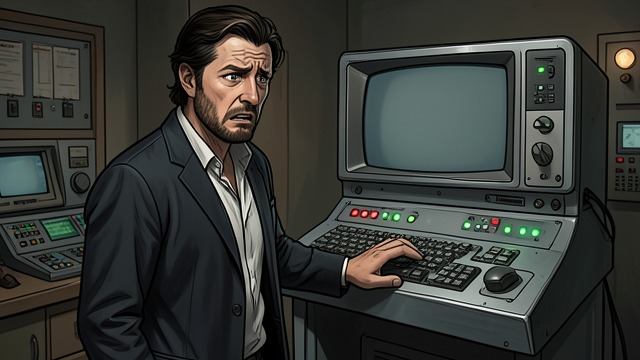
Calculation Finds No Way Out
A request for rescue
The characters give a computer the facts of their predicament and ask it to save them and Earth. The machine reports that the problem cannot be solved.
Hope shifts elsewhere
Rather than accept the judgment, the group treats it as one opinion and seeks another source. The response exposes the human desire to continue asking after certainty has failed.
The Card of Judgment
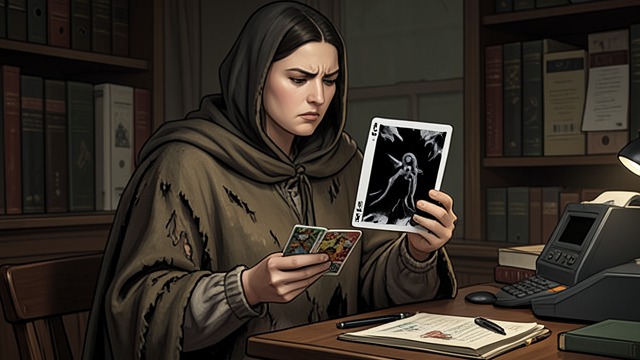
Another Oracle Is Asked
A second appeal
The gypsy turns a card that signifies Final Judgement. The result reinforces the bleakness of the situation.
Rejection of the verdict
The characters again decide that one reading cannot settle the matter. Their repeated consultations become a form of emotional resistance rather than a practical plan.
The Cerulean Telephone
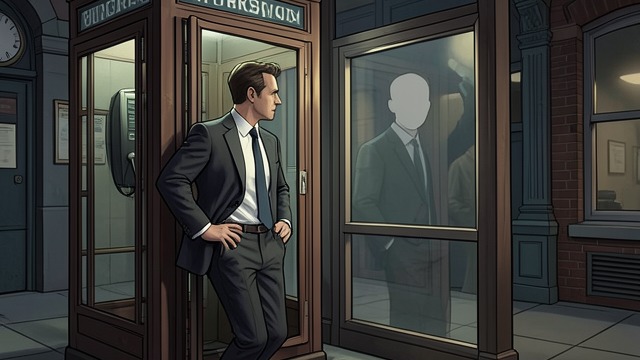
A President Calls Heaven
The forbidden line
President Edgars uses the emergency telephone and asks to speak with God. The receptionist says God is unavailable but omniscient.
A request left unanswered
Edgars seeks both intervention and assurance about his dead father and the afterlife. The call provides polite procedure instead of revelation.
A General’s Secular Response
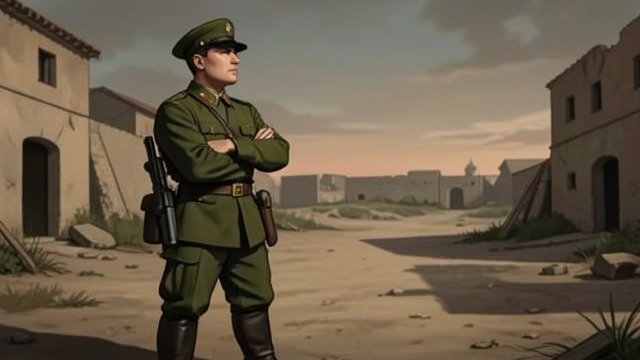
The War Continues
No special answer
Edgars reports that he received only evasions from the divine office. General Muller says that even if God exists, he prefers not to believe in superstition.
Action without certainty
The people proceed with their task despite receiving no reassurance. The scene contrasts the desire for ultimate meaning with the practical continuation of political action.
Witness After the Destruction
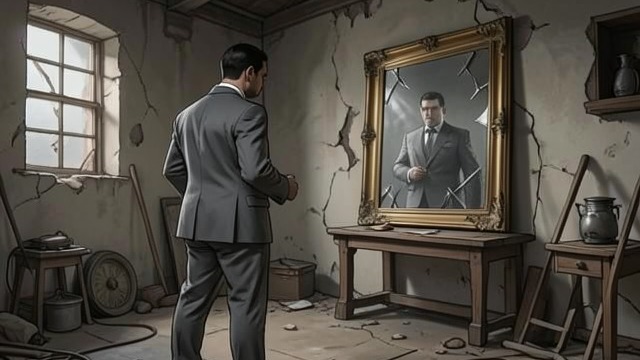
A Robot Bears Testimony
Identity remains uncertain
A robot who might have been Dr. Zach recounts the fall of the palace, while admitting uncertainty about his own identity. His testimony preserves the catastrophe without resolving who speaks.
Memory against erasure
The account insists that the destruction matters even if Earth may disappear. Bearing witness becomes the remaining response to a world that has lost its defenses.
During the first attempt to solve the crisis
After the computer consultation
After Zirn’s loss is reported
After the call to Paradise Reception
After the palace has fallen
