
The Inner Voice’s Authority
The Robot Who Looked Like MeThis thematic thread explores the gap between Mr. West’s ideal of rational independence and his dependence on an apparently private adviser.
increasing Bearing strength in each event
 decreasing
Bearing strength in each eventdecreasingReasonable Self-Image

Rationality by Declaration
Rejection of divination
Mr. West refuses the I Ching, Tarot, and horoscopes as irrational aids. He believes people should decide for themselves.
A hidden exception
His own decision-making system depends on a Voice that tells him what to do. The contrast makes his self-image less independent than he believes.
The Voice as a Private Expert
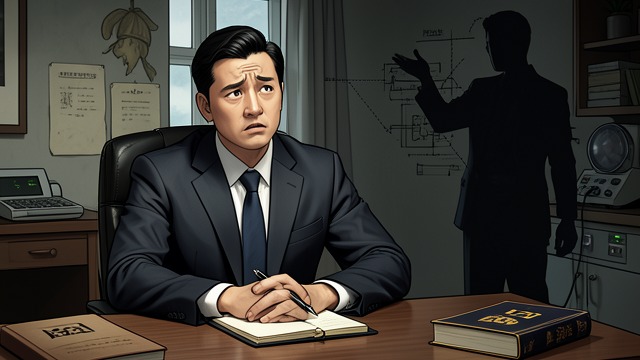
Counsel Without Explanation
Advice beyond comprehension
The Voice presents a technical account of material properties instead of a clear investment recommendation. West cannot evaluate the advice, even though he previously treated the Voice as reliably right.
Authority without transparency
The episode raises the difference between receiving an answer and understanding its basis. West’s dependence makes him vulnerable precisely because he cannot question the adviser’s method.
Many Voices, Many Claims
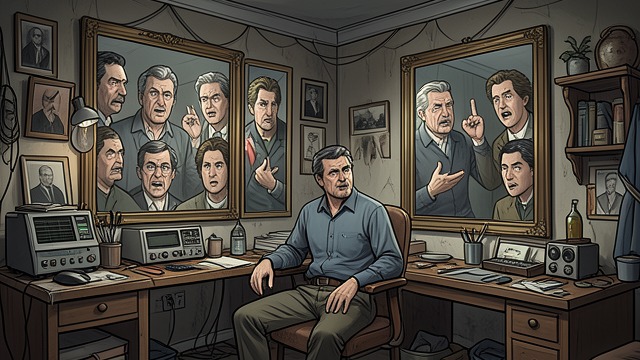
One Mind or a Chorus
Contradictory messages
The added voices offer predictions, strange inventions, religious commands, and everyday tips. Their variety unsettles West’s boundary between rational thought and madness.
Information finds an audience
Some messages later correspond to public events. The story complicates the easy assumption that unusual mental voices are either wholly true or wholly meaningless.
The Control-Center Fantasy
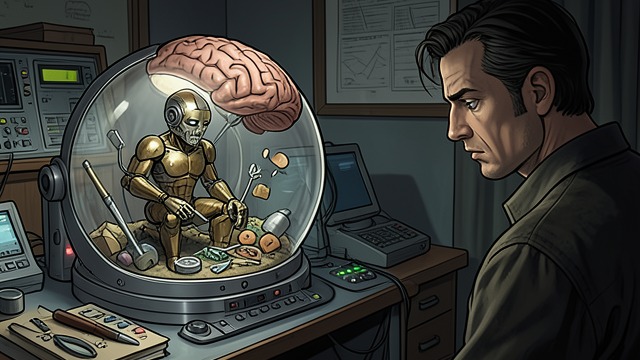
A Miniature Decision Maker
An imagined inner agent
West pictures a tiny version of himself sorting information and making choices from a control center in his brain. The model gives his dependence a mechanical explanation.
Responsibility displaced
By imagining a separate adviser, West can regard his own actions as the output of another authority. The story uses this division to question whether an inner voice relieves a person of moral responsibility.
A Familiar Voice, Unexamined
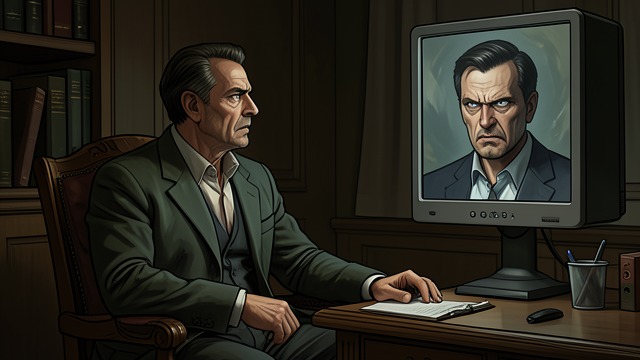
Comfort Without Correction
The old system resumes
West’s familiar Voice returns and gives investment advice. Its presence reassures him even though he has just witnessed messages that challenge its authority.
Moral exposure
The Voice’s suggestion about his niece is cruel and criminal, not a neutral optimization. West’s renewed trust shows that familiarity can outlast evidence and ethical scrutiny.
Before the week of interference
At breakfast during the market dilemma
During the days of heightened activity
While West tries to solve his problems alone
After the voices stop
