
The Price of the Role
The Robot Who Looked Like MeThis character thread follows Washburn as he tries to separate his private self from the heroic identity the Western has given him.
increasing Bearing strength in each event
 decreasing
Bearing strength in each eventdecreasingThe Man and the Audience
Identity in Performance
A famous image
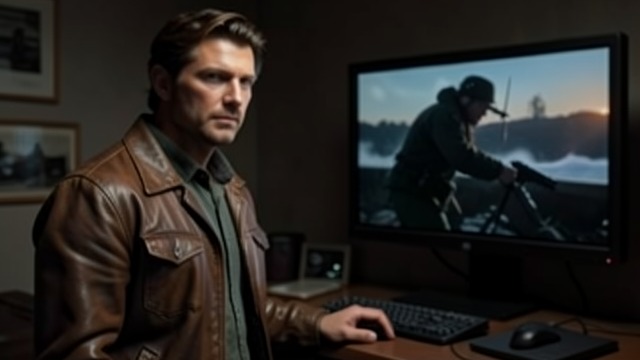
Washburn is known through the repeated screen image of the slow, dangerous gunman. He describes himself as both actor and audience, watching the heroic version of his own life.
A life entangled with Simms
Gordon Simms has lived vicariously through Washburn and helped shape the star’s career. Washburn cannot easily distinguish his own desires from the ambitions of his manager and friend.
Retirement and a New Marriage
A Life Beyond the Screen
A private future
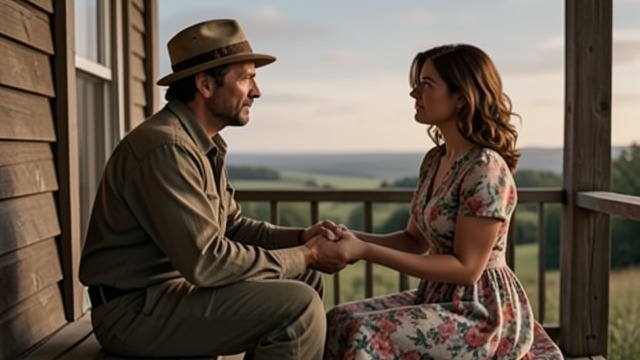
Washburn has retired and married Consuela. Their new relationship offers him a life outside the familiar demands of the Western.
A return that seems safe
He accepts a cameo under a no-kill contract, expecting to perform without returning to the risks of his former career. The arrangement leaves him vulnerable to other people’s ideas of a proper ending.
Rejecting the Script
Refusal as Self-Definition
A decision to leave
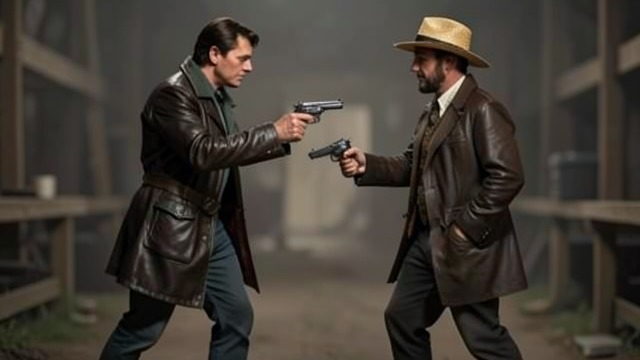
Washburn decides to ride away rather than fight Little Joe. He believes that retirement has released him from the rules and values attached to the gunman role.
Parker’s resistance
Natchez Parker argues that Washburn must continue living by the standards that made him a man in the Territory. Washburn refuses Parker’s version of who he is, even when the argument becomes physical.
Returning to the Bridge
A Moment of Freedom
Between two worlds
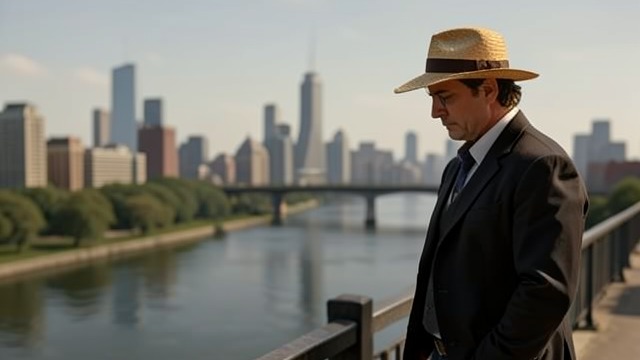
Washburn rides toward the boundary between the set and the modern world. He has relinquished the hat and could continue out of the story.
A turn back
He stops at the bridge’s crest and turns toward Brimstone. The action is not compelled by the wager alone; it marks his recognition that he has chosen to reenter the conflict.
A Death on Screen
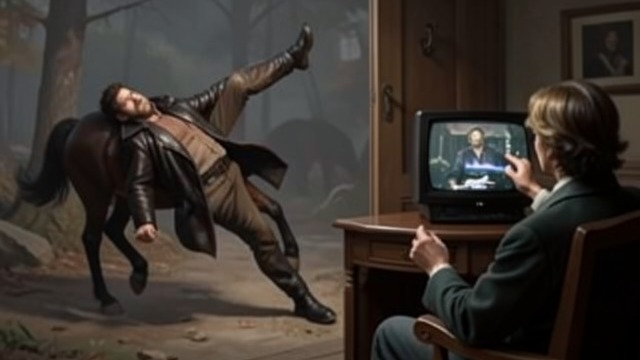
The Role Outlasts the Man
A second confrontation
The freckle-faced kid shoots Washburn after the duel, killing him as he tries to mount his horse. His death comes outside the formal showdown he had reluctantly accepted.
The audience remains
The final perspective shifts to a viewer who turns off the screen. Washburn’s fate becomes both a character’s death and the completion of a spectacle for someone watching.
Before Washburn crosses into the Western
On the modern side of the station
After learning about the new contract
After Washburn gives Little Joe the derby
After Little Joe is killed
