
The Court of Wei and the Cao Emperors
The Romance of the Three KingdomsThis flow follows the Wei dynasty’s rulers as ceremonial sovereignty is repeatedly subordinated to powerful ministers and military families.
increasing Bearing strength in each event
 decreasing
Bearing strength in each eventdecreasingCao Pi’s Founding
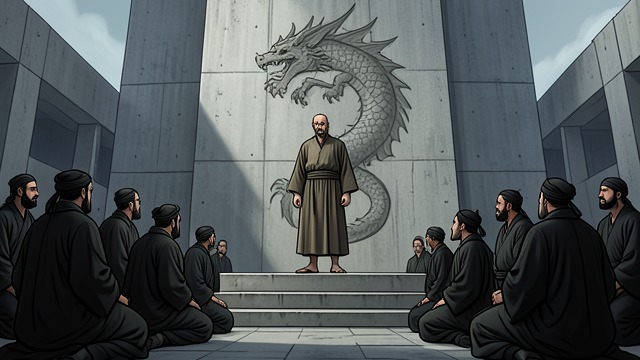
A New Dynasty Declared
The Han Abdicates
Cao Pi takes the throne after Emperor Xian’s coerced abdication. Court officials describe the transfer as a fulfillment of Heaven’s will.
Authority and Anxiety
The new emperor inherits a powerful state, but his legitimacy rests on the same political force that displaced the Han.
Cao Rui’s Accession

Continuity Under Guardianship
The Heir’s Appointment
Cao Pi places the young Cao Rui on the throne and entrusts senior advisers with supporting him.
A Growing Challenge
The new ruler faces threats from Shu and Wu while the Sima family gains influence. Formal succession cannot guarantee actual control.
Cao Fang Under Regents
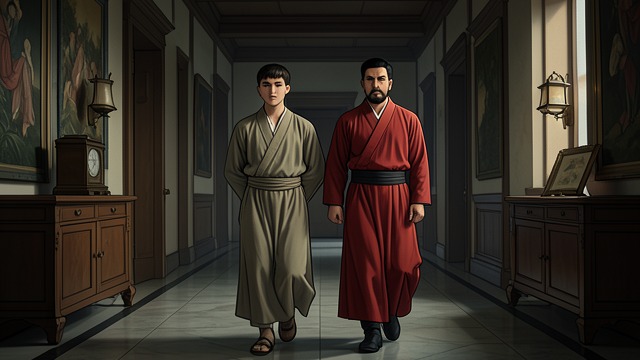
A Child Emperor and Rival Ministers
Cao Shuang’s Ascendancy
Cao Shuang controls the young Cao Fang’s court, sidelines Sima Yi, and places his own allies in key posts.
A Dormant Rival
Sima Yi appears ill and retired, allowing Cao Shuang to underestimate him. The emperor becomes a prize in the contest between regents.
Cao Mao’s Resistance

The Throne Cannot Command
A Young Emperor’s Attempt
Cao Mao confronts Sima Zhao and then leaves the palace with a small guard to resist him directly.
Regicide
Cheng Ji kills Cao Mao in the street. Sima Zhao preserves his authority while punishing others, demonstrating that the emperor’s title no longer commands the state.
The Last Abdication

Wei Ends Through Ceremony
Cao Huan’s Position
Cao Huan rules while Sima Yan holds effective power. The emperor cannot prevent the political order from changing around him.
The Founding of Jin
Cao Huan abdicates to Sima Yan, who becomes emperor. Wei ends through the same formal language of transfer that once marked the Han’s fall.
AD 220
AD 226
From AD 239 to AD 249
AD 260
AD 265
