
Cao Cao's Rise and Reversal
The Romance of the Three KingdomsThis flow follows Cao Cao’s transformation from military commander into the dominant northern ruler, and the limits that remain on his power.
increasing Bearing strength in each event
 decreasing
Bearing strength in each eventdecreasingA Calculating Commander
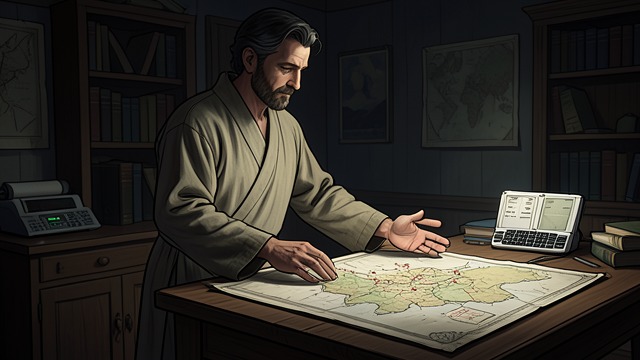
Ambition in the Service of Order
Early Reputation
Cao Cao’s cleverness and ruthlessness appear together from the start. He gains military responsibility during a crisis that exposes the court’s weakness.
A Contested Gift
His ability to act decisively makes him useful to the dynasty, but his methods already suggest that service and self-interest will be difficult to separate.
The Failed Assassination
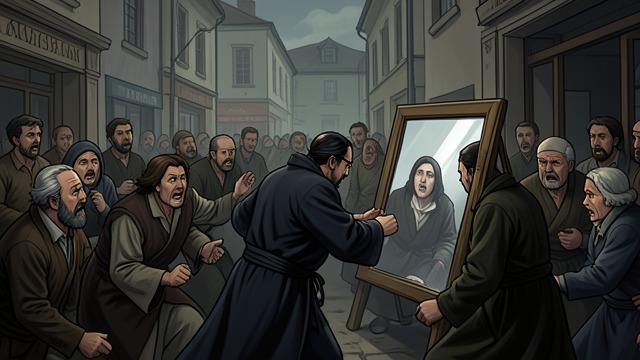
Defiance and Flight
A Secret Attempt
Cao Cao accepts Wang Yun’s Seven-jewelled Dagger and attempts to kill Dong Zhuo, but a reflection exposes his intention.
A Revealing Escape
He flees and begins raising forces against the regime. The attempt fails tactically yet helps turn opposition to Dong Zhuo into a wider military cause.
A Warlord Takes Shape
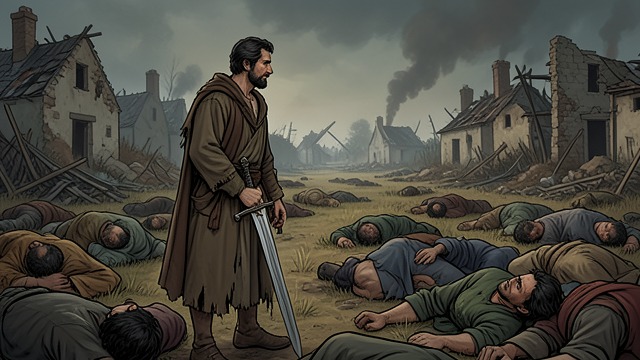
Building Power Through War
Recruitment and Conquest
Cao Cao incorporates surrendered fighters, attracts advisers, and uses the resources of Yanzhou to establish a durable military base.
Violence's Political Price
His campaign in Xuzhou follows the murder of his family and becomes a massacre. Personal grief expands into collective punishment, undermining the humane authority he later claims.
The Northern Victory
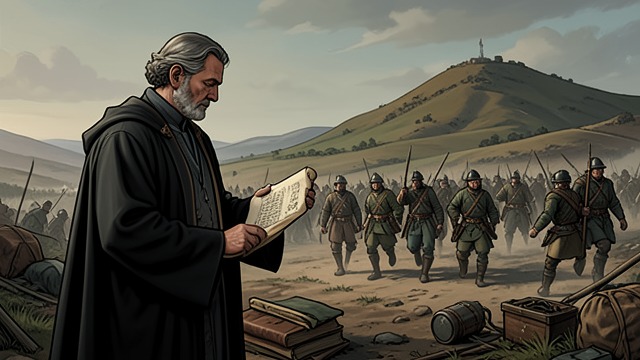
Outnumbered but Supplied by Strategy
A Long Standoff
Cao Cao faces Yuan Shao’s larger army while both sides suffer shortages. Tactical patience and intelligence become as important as numbers.
The Granary Strike
After Xu You defects, Cao Cao burns the supplies at Wuchao. The blow breaks Yuan Shao’s capacity to continue the campaign and establishes Cao Cao’s northern predominance.
Power Without the Throne
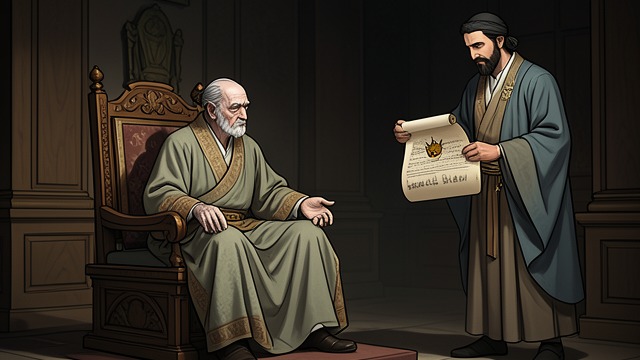
Rule Through the Emperor
Imperial Authority as Leverage
Cao Cao brings Emperor Xian to Xuchang and uses the court’s proclamations to strengthen his authority. The emperor remains present but increasingly powerless.
An Incomplete Usurpation
Cao Cao becomes King of Wei but does not formally replace the Han. His son Cao Pi completes that transition after his death, revealing both the scale and the limits of Cao Cao’s restraint.
During the Yellow Headband revolt
After Dong Zhuo moves the court to Chang’an
During the campaigns in Yanzhou and Xuzhou
AD 200, at Guandu and Wuchao
From Emperor Xian’s relocation to Cao Cao’s death
