
The Political Capture of Emperor Xian
The Romance of the Three KingdomsThis flow traces Emperor Xian’s displacement from the throne’s center through successive strongmen, and the final coercion that ends the Han.
increasing Bearing strength in each event
 decreasing
Bearing strength in each eventdecreasingA Child on the Throne
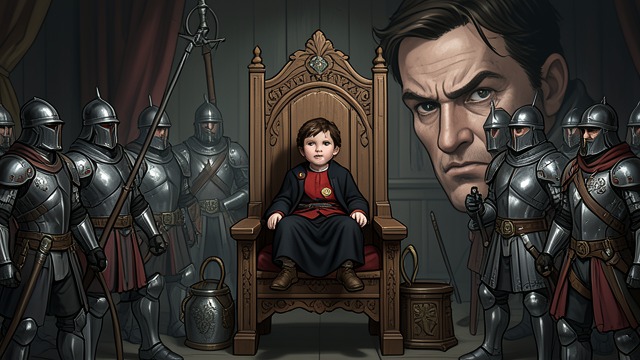
An Emperor Chosen by Force
Palace Upheaval
After the court crisis, Dong Zhuo installs the young Emperor Xian in place of Emperor Shao. The new ruler’s authority begins under military occupation.
Dependence
The child emperor cannot choose his ministers or protect the former imperial household. His title remains sacred while his practical power is controlled by others.
Flight from the Capital

A Court Without Protection
Rebel Control
Li Jue and Guo Si seize Chang’an and hold the emperor amid violence and factional conflict.
A Dangerous Return
Emperor Xian escapes through years of upheaval and eventually returns to the ruins of Luoyang. The imperial court is reduced to hunger and makeshift shelter.
Cao Cao’s Protection
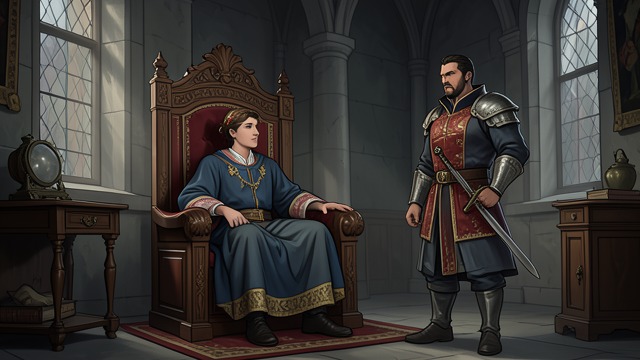
Safety With a Price
A New Patron
Cao Cao answers the emperor’s summons and defeats the threats around Luoyang, presenting himself as the restorer of imperial security.
Transfer to Xuchang
He moves Emperor Xian to Xuchang, where the court is safer but tightly controlled. The emperor’s dependence on Cao Cao becomes the basis of northern political authority.
The Blood Edict
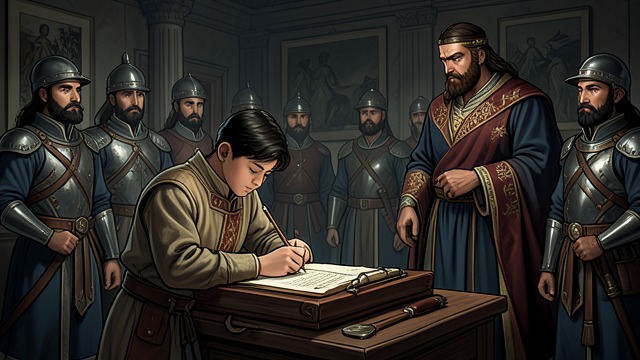
A Hidden Attempt at Agency
A Secret Command
Emperor Xian writes a blood edict calling on Dong Cheng and other loyalists to remove Cao Cao.
A Failed Revolt
The plot is exposed, and Cao Cao executes its participants and their families. The emperor survives but is more closely confined, with few avenues left for independent action.
Abdication to Cao Pi
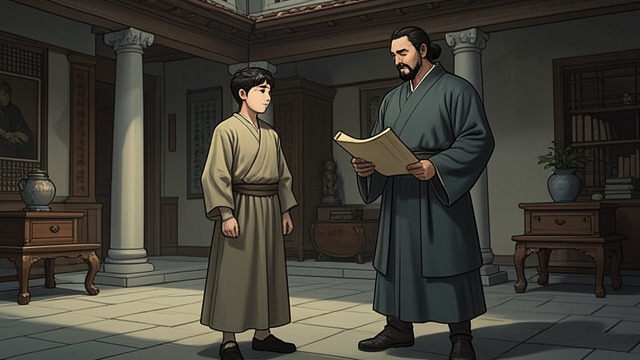
The End of the Han Throne
Coerced Transfer
Hua Xin and other officials force Emperor Xian to abdicate to Cao Pi. The court presents surrender as a ritual transfer, masking the political pressure behind it.
Life After Sovereignty
Emperor Xian is given a minor title and survives the dynasty he once represented. His removal closes the Han line but does not end the struggle over its legitimacy.
AD 189
After Dong Zhuo’s death
AD 196
AD 199
AD 220
