
The Political Power of Poetry
The Romance of the Three KingdomsThis flow traces how poetry functions not as decoration but as memory, political argument, emotional testimony, and judgment on rulers.
increasing Bearing strength in each event
 decreasing
Bearing strength in each eventdecreasingThe Return to a Ruined Home
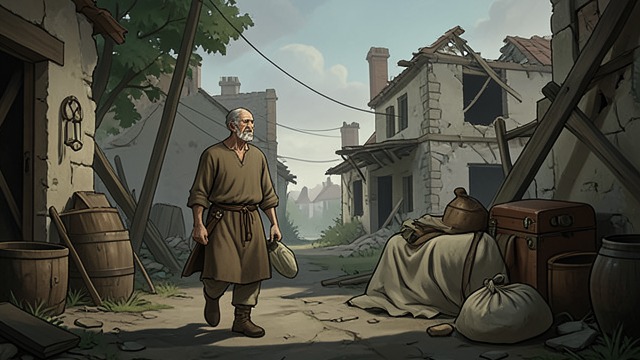
The People Remembered in Verse
A Veteran’s Homecoming
An anonymous poem recalls a man who left as a boy and returned decades later to find his house in ruins.
A Counter-History
The poem gives voice to people who rarely appear in official chronicles. It frames the novel’s wars as lived loss, not merely a sequence of victories.
Cao Zhi’s Brother Poem
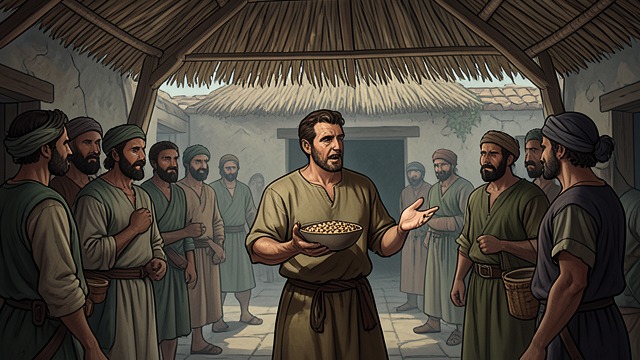
Poetry as Political Speech
An Indirect Protest
Cao Zhi composes a poem about beans and their shared root when Cao Pi threatens him with death.
A Family Conflict Made Public
The poem gives emotional form to fratricidal rivalry without directly naming the brothers. Its success softens Cao Pi but cannot undo Cao Zhi’s demotion.
The Poem Against Cao Cao
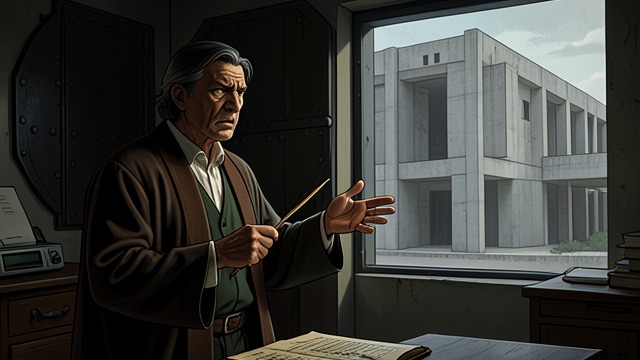
The Scholar’s Attack
Chen Lin’s Memorial
Chen Lin writes a denunciation of Cao Cao that catalogues his crimes and attacks his family background.
Words Meet Power
Cao Cao is enraged but acknowledges the force of the writing. The episode shows how literary skill can shape political legitimacy even when it cannot itself command an army.
Du Fu’s Memorial to Kong Ming
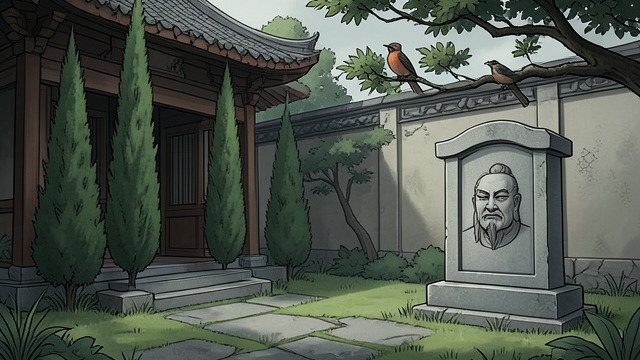
Poetry Preserves an Unfinished Work
The Shrine and Its Landscape
Du Fu visits Kong Ming’s shrine and describes cypresses, spring grass, and birdsong around a place of remembrance.
Honor Through Failure
The poem recognizes Kong Ming’s failure to reunite the kingdoms while insisting that his efforts still place him among the great. Poetry offers judgment more nuanced than victory alone.
The Final Song of Division
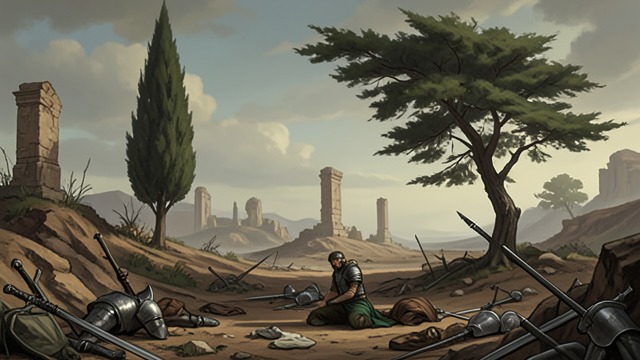
A Dream of Three Kingdoms
Names and Losses
The concluding poem recalls rulers, warriors, betrayals, and failed campaigns, placing their achievements within the rise and fall of dynasties.
Memory Beyond Victory
The kingdoms disappear, but the stories remain. The poem closes the narrative by turning political history into a meditation on change and grief.
In the introduction to the story
After Cao Pi’s accession
Before Yuan Shao’s campaign against Cao Cao
In the Tang dynasty, centuries after Kong Ming’s death
At the close of the novel
