Bath fungal-weapon incident
The RookThe Bath fungal-weapon incident was an activation of the Grafters’ mass-destruction fungus, an operation that made the consequences of their biological weapons concrete for Myfanwy. Its importance extends beyond the danger of the weapon itself: the incident sharpened the conflict between talk of reconciliation and the history of harm that made the Checquy distrust the Grafters.
The weapon and its purpose
The fungus was part of a wider Grafter strategy overseen by the Belgian, who said he had directed the acquisition and indoctrination of collaborators, personally established Camp Caius, and arranged the development and placement of the fungal weapon. He described it as an entity capable of subjugating human beings and engulfing vast areas once activated. The account presents the Bath operation not as an isolated accident but as one element in a coordinated programme of infiltration and biological warfare.
Myfanwy’s recollection of Bath
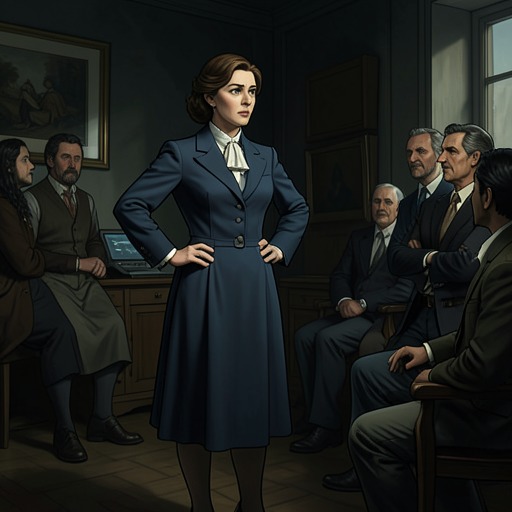
During a later conversation, the Belgian’s casual reference to the fungus cult in Bath changed the tone for Myfanwy. She had momentarily relaxed in his company, despite knowing that he was a centuries-old enemy; his mention of Bath brought back the terror she associated with that day. Her response underscores the gap between the Grafter’s composed account of strategy and the experience of confronting a weapon that could take control of people and spread beyond a contained target.
A warning against easy reconciliation
The incident also shaped the stakes of the Belgian’s appeal for cooperation. He explained that the Grafters had once sought to conceal their survival and inflict pain on the Checquy, after their homes were destroyed and their associates killed. Although he later came to forgive the Checquy and hoped the organizations might meet without resentment, he continued building collaborators inside it to persuade its members that joining forces served their interests. Against this history, the Bath weapon stands as evidence of the danger Myfanwy could not set aside: the proposal for union came from someone who had overseen a weapon capable of subjugating people and engulfing vast areas.
Consequences in the larger conflict
The incident’s significance lies in the contrast between the Belgian’s stated desire for peace and the methods he had pursued. His account links the fungal weapon to the same long-term project as Camp Caius and the placement of Grafter agents in the Checquy. For Myfanwy, remembering Bath prevented diplomatic ease from erasing the human stakes of that project. The weapon remained a concrete reason to treat reconciliation cautiously, even as the Belgian described his own change of heart.