Checquy computer network isolation policy
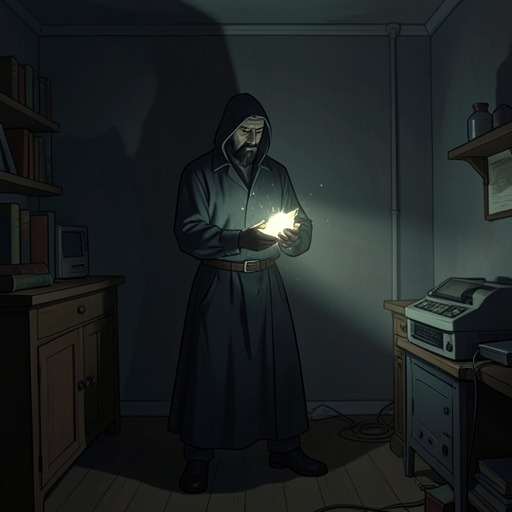
The RookThe Checquy computer network isolation policy is the rule that the organization’s computer network is not connected to any external system. It is one part of a broader secrecy regime: the Checquy receives reports through carefully managed channels, conceals its existence from most outsiders, and warns that attempts to find it will not succeed unnoticed. The policy limits digital exposure, but it cannot by itself prevent insiders from betraying secrets or enemies from exploiting other means of communication.
Secrecy and Information Flow
The Checquy receives a steady stream of information from the civil service and uses analysts to sift reports, figures, and files for signs of supernatural activity. Its Panic Lines connect it to discreetly briefed officials across national and local government, while people placed in key organizations relay significant developments. These channels are designed to make the Checquy discoverable to selected sources without making its name publicly traceable: the organization’s name appears on no paper outside its walls, and most people do not know it exists.
The isolated computer network completes this arrangement. Rather than connect its systems to external networks, the Checquy receives information through phone numbers and indirect routes. Network disconnection is therefore not a withdrawal from communication, but a way of controlling how communication reaches the organization and who can access its internal systems.
Limits Exposed by Infiltration
The Grafter infiltration reveals the difference between protecting a network and securing an organization. After the discovery that the Grafters had altered and planted agents within the Checquy, Myfanwy recognizes that the organization has been compromised. Ingrid points out the deeper danger: a trusted aide such as Richard Whitlam, who had served Bishop Alrich for decades and was remembered as kind and devoted, could be a Grafter. The enemy’s knowledge and presence inside the organization meant that internal access, not merely an external computer connection, threatened Checquy secrecy.
The response is an intrusive screening program for Grafter implants. The Checquy plans to examine members in-house, use groups of observers to watch the examinations, and require agreement among multiple doctors, including a randomly selected civilian practitioner. These measures address the risk of tampering within the organization’s own medical process; they also show that isolation of the computer network cannot substitute for trust, oversight, and physical security.
Covert Communications and Surveillance
The Grafters’ methods further distinguish network isolation from complete communications security. Graaf Gerd de Leeuwen explains that his support staff have augmented minds that connect directly to the telephone network, allowing them to relay conversations in the voices of the people being called. The method is described as practically instantaneous and untraceable. It bypasses the ordinary means used to trace calls, demonstrating how a protected internal computer system can coexist with vulnerable or manipulated communication beyond it.
The Checquy itself also faces risks from covert monitoring. Conrad Grantchester reveals that listening devices had been installed in his former office and the assistant’s office, and that he resumed monitoring them after recent events. He learned that Myfanwy knew the identity of another double agent and used that information to order an attack on people she had sent from the Rookery. The episode exposes a different weakness: even when the organization’s computers are separated from external systems, physical surveillance and insider access can turn its offices into sources of intelligence for a traitor.
Significance
The policy is a concrete expression of the Checquy’s larger effort to make information selectively available: officials and institutional contacts are given enough to report unusual events, while outsiders are kept from discovering the organization itself. Yet the novel repeatedly shows that secrecy depends on people and procedures as much as on technical boundaries. Grafter agents can be embedded among trusted staff, communications can be rerouted through augmented intermediaries, and offices can be bugged. Network isolation narrows one route of exposure; it does not close the organization against betrayal from within or surveillance at its edges.