Norman Goblet
The RookNorman Goblet is a Checquy operative whose rise through the Estate’s reformed boarding-school system made him a favored pupil and a prospective Court member. His later appearance in the Bath crisis overturns that cultivated image: caught inside a dangerous operation he cannot control, he mistakes Myfanwy for Rook Gestalt and responds to discovery with force. The contrast between his institutional polish and his unpredictable, adaptive power makes him both a product of Checquy training and a threat to its agents.
Identity and Background
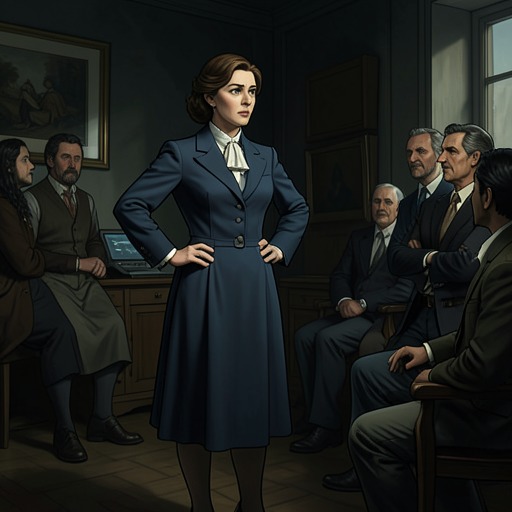
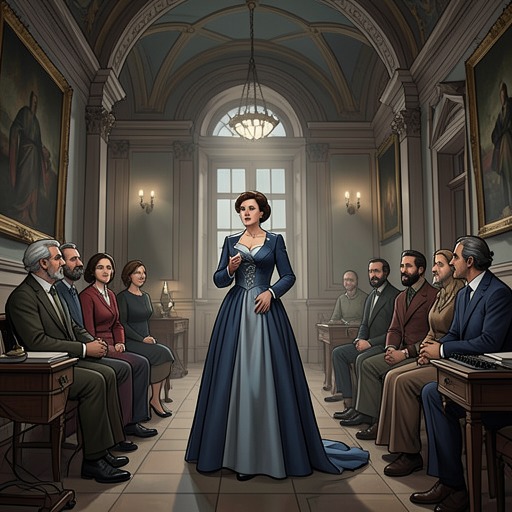
Goblet entered the Estate at twelve, during a period when Checquy was replacing its older master-apprentice approach with a revised curriculum. The institution’s new model combined its own traditions with a postwar outlook and borrowed the structure of a conventional boarding school. The narrator describes it as an Eton with tentacles: a familiar academic hierarchy placed inside a distinctly Checquy setting.
Goblet excelled at navigating that hierarchy. He was a favorite of his teachers, became school captain, and was marked for advancement. His grades were sufficient to keep him clear of the lowest set without drawing attention as a swot, and he cultivated the headmaster’s favor. The account presents his social fluency and his capacity in a fight as complementary strengths: he could ingratiate himself with authority as effectively as he could handle himself physically. In the narrator’s assessment, those traits made him seem suited to the Court.
The Bath Crisis
By the time Myfanwy and Shantay encounter him in Bath, Goblet is involved with a congregation whose activity has become a crisis. He says he arrived the previous morning to check on its progress, only to find the invocation growing louder and to realize that the developing light would become visible at sunset. He claims he had not ordered the growth to begin and had been trying to contain the situation since then.
Goblet says he could not leave because his phone had been overgrown after he set it down, and that he expected the Checquy to be called in once a second team had been consumed. He had allowed the congregation to run through its self-defense routines, preventing it from killing a third team—the Barghests—but says he had lost members of his own group in the process. The emergency codes and instruction phrases he tried were largely ineffective. To get a message into the chanting, he says, he shot a congregant and briefly grafted himself into the system, leaving him in need of treatment to remove the remaining material.
His account makes him sound like a Checquy superior attempting to manage a failing operation, but Myfanwy notices that his actions do not fit that assumption: a Checquy officer would not, she reasons, have liquefied the teams. Goblet’s poor vision through the sensory organs he is using further complicates the encounter; he says he had nearly ordered Myfanwy and Shantay cocooned because he could not see them clearly. He asks for a way to shut the operation down, then freezes when he recognizes that the people before him are not Gestalt.
Conflict with Myfanwy and Shantay
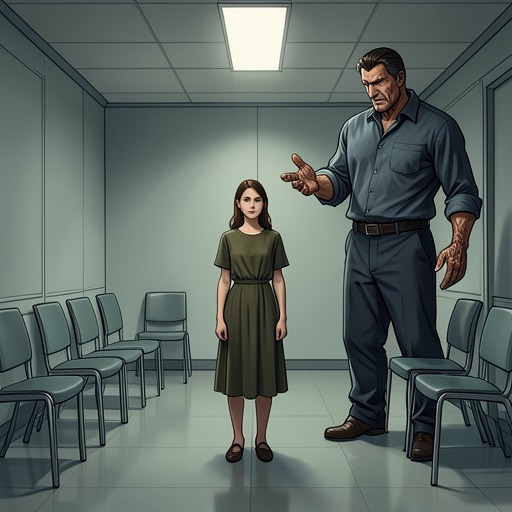
The recognition exposes Goblet’s mistaken assumption about who has arrived. Myfanwy cuts him off from the world before he can act, wary of an ability she does not understand and unwilling to give him an opening. The restraint does not end the confrontation. Goblet breaks out of his trance and strikes Shantay, while the chanting, fungus-covered figure nearby continues without interruption.
Goblet then displays a defensive physical transformation: spines emerge across his body, his hair hardens into spikes, and quills pierce his clothes. Shantay regains her footing, raises her pistol, and warns him not to move, making clear that the attack has changed her response from questioning to armed confrontation. The episode thus reveals both the danger of misjudging Goblet and the instability of the crisis around him: even while the congregation’s activity continues, he can shift from apparent collaborator to immediate opponent.
Characterization and Significance
Goblet’s introduction is built on a sharp mismatch between reputation and conduct. At the Estate he mastered the school’s rules, won the approval of his teachers, and seemed destined for high office. In Bath, however, his confidence and institutional role do not translate into control: he cannot stop the operation, misidentifies the arriving Checquy agents, and attacks when that error becomes clear.
That contrast links his school career to the crisis without reducing him to either one. The Estate’s competitive hierarchy rewarded both social calculation and force, qualities Goblet possessed in abundance. His Bath encounter shows the cost of those qualities when authority and information fail: a man trained to rise within Checquy becomes a dangerous, uncertain presence to the very agents drawn into the emergency.