
The Body as Captivity
The RoomThis flow tracks how minor bodily sensations become objects of fixation and how physical distress ultimately becomes the prisoner’s most dependable refuge.
increasing Bearing strength in each event
 decreasing
Bearing strength in each eventdecreasingThe First Blemish
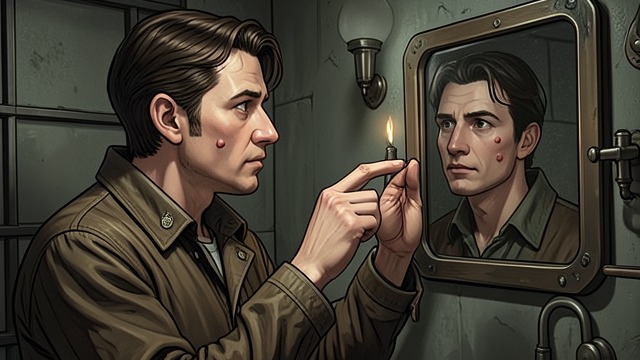
The First Blemish
Attention on the Skin
The Unnamed protagonist notices a small pimple on his cheek while looking into the cell mirror. He considers squeezing it, decides to wait, and returns to inspect it repeatedly, measuring tenderness and size as if the blemish offered a manageable problem within an otherwise uncontrollable room.
A Minor Sensation Becomes Important
His attention to the skin shifts between distraction and irritation. The pimple is not a serious injury, yet its persistence gives him something concrete to examine when time, light, and confinement feel abstract. Repeated touching briefly organizes his attention around one specific point.
The first inspection introduces a motif that will intensify alongside his mental crisis. The body becomes a small territory he can study and attempt to control, though even this limited control proves fragile.
Pain Without an Answer
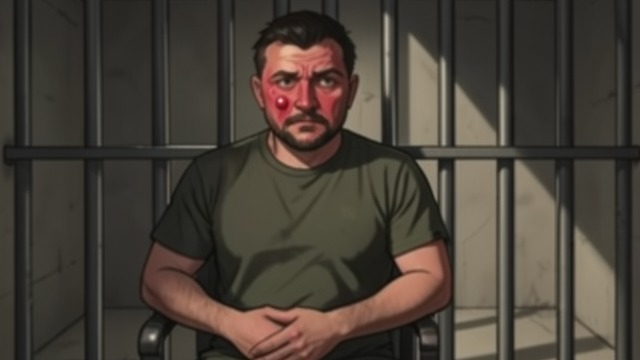
Pain Without an Answer
A Target for Anger
As the Unnamed protagonist grows frustrated by confinement, he returns to the pimple and presses it harder. The sharp pain gives his anger a physical focus, but the expected relief does not arrive; the blemish remains, and the irritation turns back toward the cell and the people he imagines responsible for his condition.
The Body as a Boundary
He confronts the fact that he can recognize where he is without being able to dream the room away. Walls, bars, fixtures, and the sore place on his cheek all insist on their material presence. His body remains caught in the same space as his thoughts.
The episode makes bodily discomfort part of the prison’s structure. The pimple is a small, local pain, but it dramatizes the larger impossibility of escaping or transforming what presses on him.
Craving and Aftermath
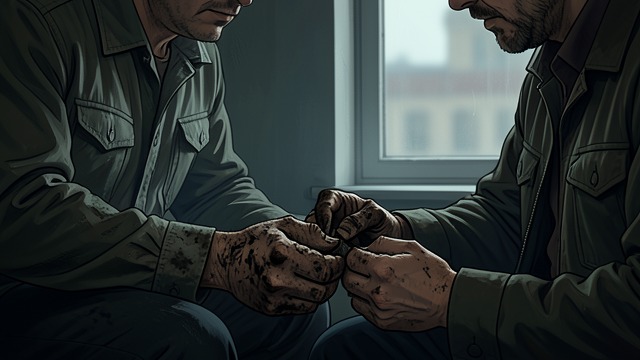
Craving and Aftermath
Anticipation as Routine
In memories of Saturday encounters with Mary, the Unnamed protagonist recalls anticipating sexual contact during the week and arranging his time around it. The physical excitement is accompanied by secrecy, anxiety, and repeated attention to whether his mother might detect what he has been doing.
Fulfillment Leaves a Gap
After the encounters, he remembers returning home with a sense that something is missing, then turning to private fantasy and masturbation in search of a more complete satisfaction. The cycle provides stimulation but does not resolve the unnamed craving he experiences as “more and what.”
The memories connect bodily desire to repetition rather than completion. Pleasure offers a temporary focus, yet its aftermath returns him to dissatisfaction, secrecy, and the same search for another image or sensation.
The Hair Beneath the Skin

The Hair Beneath the Skin
A Fixation Reaches Its Peak
The pimple becomes increasingly swollen and painful, and the Unnamed protagonist repeatedly examines and squeezes it. Eventually, he forces out a hard core and discovers a small ingrown hair, treating the removal as a victory over the source of the irritation.
Relief That Repeats the Pattern
For a moment he studies the material he has removed and feels that he has solved the problem. But the relief does not become a durable transformation: he soon notices another blemish and acknowledges that it is not ready to be squeezed. The routine of inspection and anticipation begins again.
The sequence condenses the book’s wider cycle of grievance. He searches for a single hidden cause, imagines that extracting it will end the pain, and then encounters another unresolved irritation, with no lasting exit from the underlying condition.
Sickness as Companion
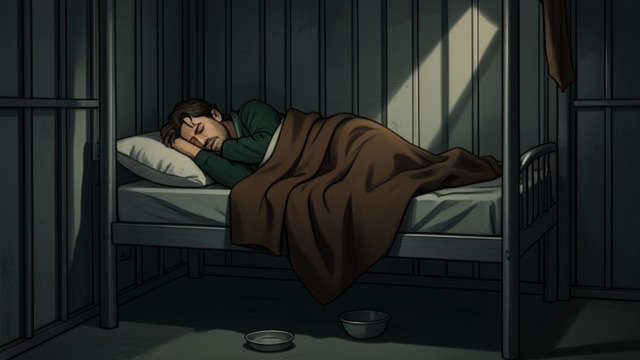
Sickness as Companion
From Enemy to Familiar Presence
After an episode of severe nausea and vomiting, the Unnamed protagonist gradually treats his sickness as something constant. It remains in his throat, stomach, and body, but he no longer experiences it only as an immediate threat; its familiarity becomes a source of grim reassurance.
The Retreat Into the Known
He imagines curling around this suffering and sharing its loneliness, as though the pain can keep him company when other forms of comfort have failed. The blanket, mattress, and locked room help restore a narrow sense of safety, even though none offers a way back to ordinary life.
When the guard calls court time, he remains on the bunk rather than answering the summons. The final image leaves the prisoner attached to the only certainty he can claim: the bodily distress that has become his companion, in a cell that continues to define the limits of his world.
At the opening, during an early inspection of his reflection
After memories of childhood violence and frustration
During recollections of Saturday encounters with Mary
Late in the imprisonment, shortly before the final breakdown
At the ending, after the vomiting episode and the final court call
