
Rules and the Freedom to Choose
The Rules of WerewolfThis flow explores the story’s recurring contrast between formal rules, social games, and the personal freedom to make honest choices.
increasing Bearing strength in each event
 decreasing
Bearing strength in each eventdecreasingA Riddle’s Two Meanings
A Riddle’s Two Meanings
Tool and trap
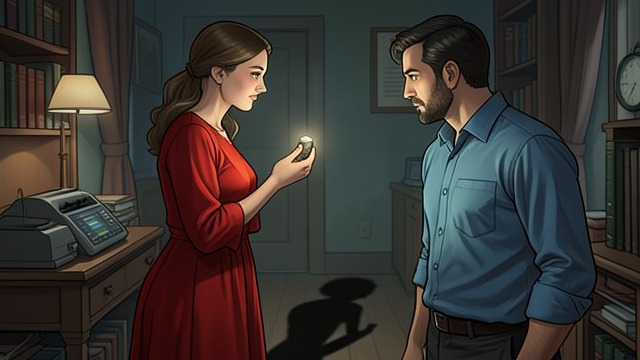
Hermione’s reply to Draco contrasts a tool that can cloud a mind with a trap that can capture its owner. The riddle turns attraction into a question about power, vulnerability, and what words can do.
Its lines acknowledge that either person may influence or hurt the other. The flirtation is not emotionally neutral simply because it arrives as a puzzle.
Choosing expression
The final promise in the riddle gives the exchange a playful erotic edge, but the message still requires a response. Its meanings remain invitations rather than rules that compel either person to act.
Pansy’s Game
Pansy’s Game
Rules for a gathering
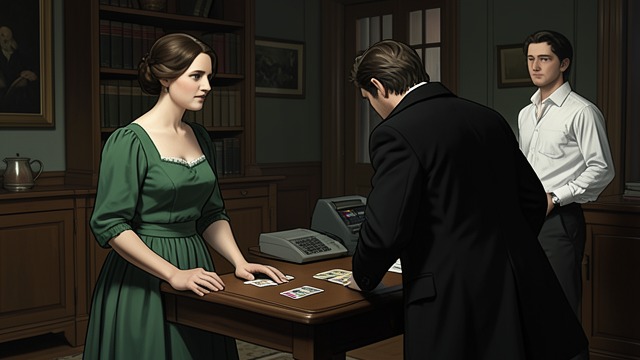
Pansy lays out the rules of Werewolf and assigns roles that structure who may act during each full moon. The game offers a common ritual for guests who may not know how to socialize across old divisions.
Hermione questions the story the game tells about werewolves, showing that even party rules can carry assumptions worth examining. Pansy frames it as entertainment, and the group chooses to play.
Rules are not the whole story
Once the game begins, the players use its structure for banter, suspicion, and flirtation. The official instructions cannot fully control the meanings people create inside them.
Playing Beyond the Rules
Playing Beyond the Rules
Hidden strategies
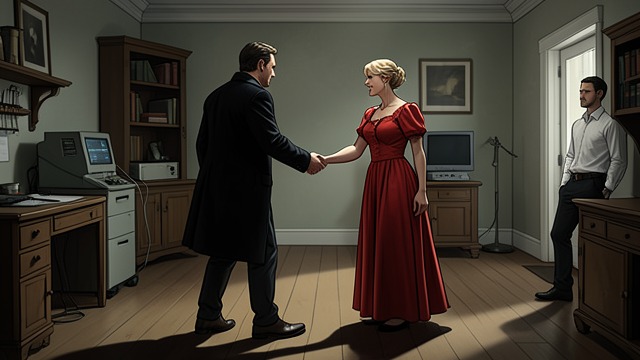
Draco uses the game’s darkness to approach Hermione, while Pansy and Ginny secretly prolong the rounds. Their actions bend the game’s intended simplicity into a vehicle for romantic tension.
The rule-breaking is playful, but it affects Hermione without her knowing that others have altered the duration. That ambiguity keeps the fun from being entirely innocent.
Agency beyond performance
The decisive choice still occurs when Hermione states that she wants Draco to kiss her. The game creates opportunity; it cannot substitute for the spoken desire that makes their next step mutual.
The Boundary That Matters
The Boundary That Matters
A pause amid desire
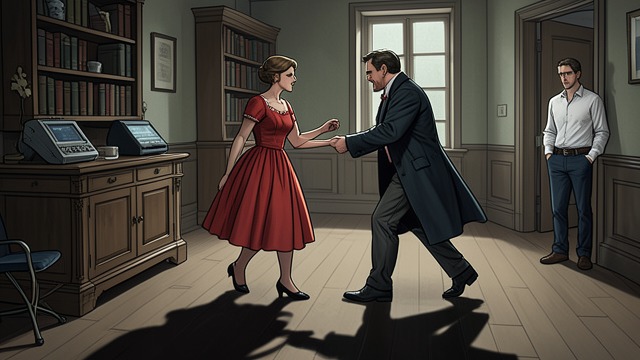
Hermione welcomes Draco’s kiss and then stops him when the balcony encounter becomes too fast. Her pause demonstrates that wanting a person does not mean wanting every setting or escalation.
Draco does not have time to fully discuss the distinction before Harry arrives. The resulting separation shows how easily a clear internal boundary can be misread when it has not yet been explained.
Consent beyond a slogan
The story treats consent as an ongoing conversation, not a single yes that settles every question. Hermione can change the pace without invalidating her attraction.
A Relationship Is Not a Game
A Relationship Is Not a Game
Saying what the game concealed
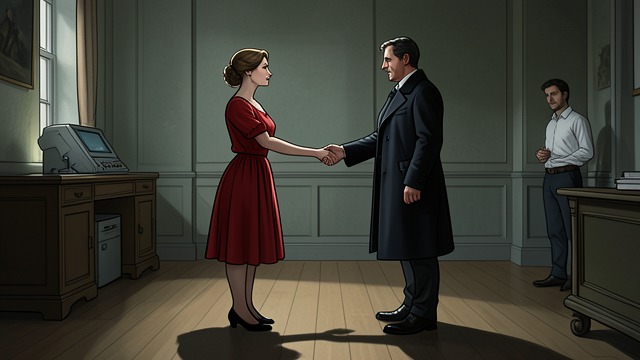
Draco tells Hermione that their flirtation has stopped being a game for him. He admits his desire while also explaining that he wants dates, companionship, and a future encounter beyond the party.
Hermione explains her earlier pause, allowing both of them to replace teasing and inference with direct speech. Their first night together follows a conversation in which each can name what they want.
A lasting principle
Six months later, their shared jokes about Werewolf coexist with a committed relationship. The game remains their origin story, but it no longer defines the terms of their intimacy.
The week after the photoshoot
At Theodore’s birthday party
During the later rounds
On the balcony after the game
Later that night at Draco’s flat
