
The Tapes and the Censored Voice
The Running ManThis flow traces Ben’s attempt to use the Network’s required recording system against the Network itself.
increasing Bearing strength in each event
 decreasing
Bearing strength in each eventdecreasingMandatory Recording
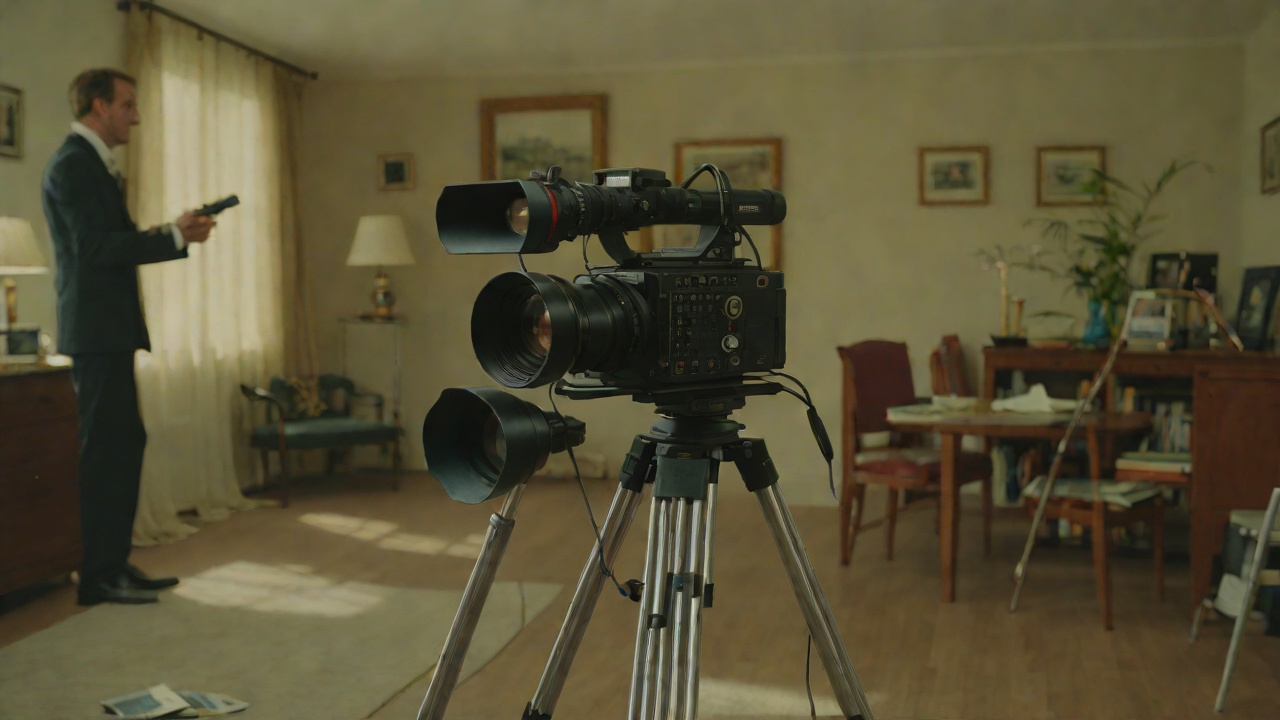
The Camera’s Rule
A Contractual Obligation
Ben receives a Videotape camera and Running Man tape clips. Two recordings per day are required to keep his payment valid.
Surveillance Reversed
He understands that every tape may expose him, yet also sees the camera as his only channel to the public.
The First Mockery
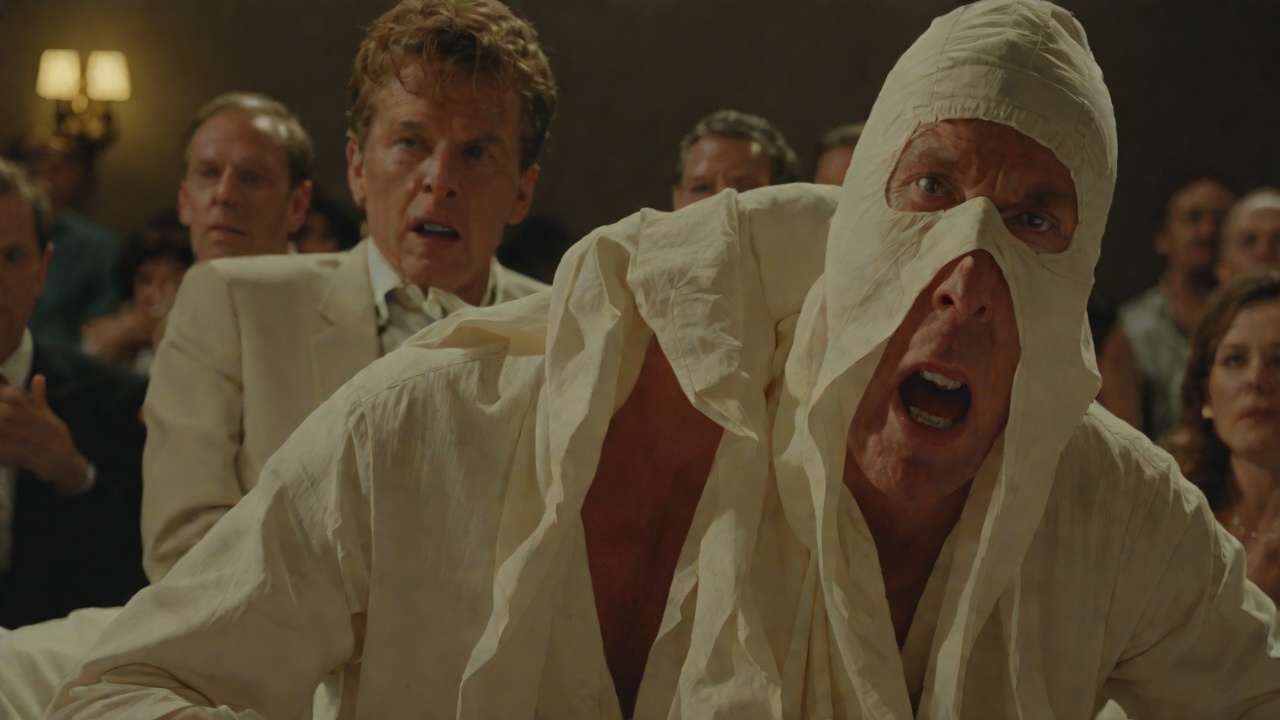
Speaking Through Absurdity
A Covered Face
Ben records himself with a pillowcase over his head. He turns the required performance into a private insult directed at the audience.
Emotional Distance
The joke protects him from fear. Humor becomes a temporary method of retaining authorship over his image.
The Pollution Address
A Political Message
Naming the Cause
Ben records an appeal to the unemployed, the poor, and residents of the ghettos. He explains that Air pollution and social control reinforce each other.
Collective Audience
The message imagines viewers as citizens rather than consumers. Ben’s isolated flight briefly becomes a public organizing effort.
The Edited Threat
Words Replaced
Censored Audio
The Network removes Ben’s message and inserts threats to murder police. His image remains while his meaning is erased.
Manufactured Evidence
The edited tape legitimizes the hunt. Censorship does not merely silence Ben; it makes him appear to have said the opposite of what he meant.
Speech by Impact
The Uneditable Message
Beyond the Tape
Ben abandons the hope that the Network will transmit truthfully. He chooses an action that cannot be edited into harmless entertainment.
The Crash as Broadcast
The Lockheed TriStar’s impact becomes an irreversible statement. The final message is physical, immediate, and directed at the institution itself.
the first day in New York City
inside the Brant Hotel
after Bradley’s explanation
the following broadcast
the final seconds
