
Moth’s Diagnosis and Changing Body
The Salt PathMoth moves from years of unexplained pain to a suspected degenerative diagnosis, then experiences periods of striking improvement and renewed decline that leave the couple negotiating uncertainty rather than certainty.
increasing Bearing strength in each event
 decreasing
Bearing strength in each eventdecreasingYears of Unexplained Pain
Years of Unexplained Pain
Symptoms without answers
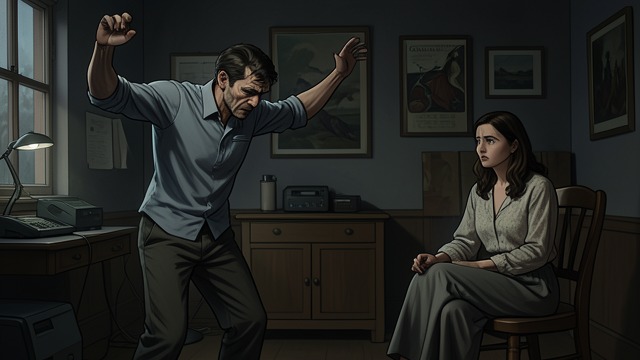
Moth develops persistent shoulder and arm pain, followed by a tremor and facial numbness. Doctors consider Parkinson’s disease and nerve damage, while the couple hope that the cause will prove treatable.
The absence of a clear explanation allows practical life to continue, but pain steadily reduces Moth’s strength. The delayed diagnosis arrives amid legal crisis and the threatened loss of home.
The Specialist’s Words
The Specialist’s Words
A possible future of decline
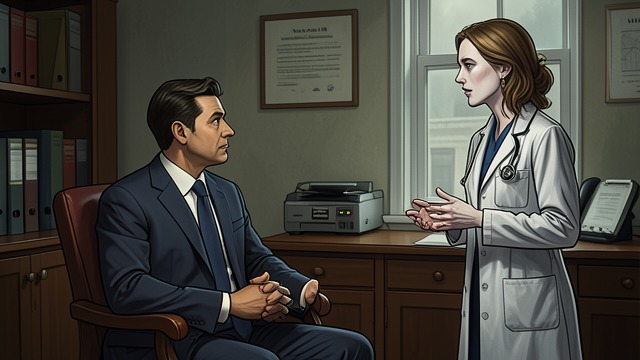
A consultant tells Moth that corticobasal degeneration is likely, while admitting that no test can confirm it during life. He describes a progressive illness with no known treatment to stop it.
Ray resists the diagnosis and imagines the loss of the person with whom she has shared her adult life. The couple leave the appointment frightened by a future that has become suddenly imaginable but remains medically uncertain.
Medication Interruption

Medication Interruption
Pain and withdrawal fears
The couple discover that Moth’s Pregabalin has been left behind in their van. Soon he is shaking, nauseated, sleepless, and confused, while Ray fears that abrupt withdrawal is worsening his illness.
They lack phone reception and struggle to find help in the narrow coastal world shown by their guidebook. The episode exposes how poverty and remoteness can turn a forgotten prescription into a frightening medical crisis.
Unexpected Clarity

Unexpected Clarity
Symptoms ease on the trail
After stopping Pregabalin, Moth says his mind feels clearer, although pain remains. As the couple continue walking, Ray notices that his strength and movement sometimes improve, especially after the intense physical effort of the route.
Neither can explain the change or know how long it will last. Their experience challenges the certainty of the original prognosis without proving that the disease has stopped.
Better, Then Vulnerable

Better, Then Vulnerable
Improvement has limits
On the second journey, Moth again moves more freely after days of walking, even managing the playful climb onto the trig point at Golden Cap. The improvement gives the couple room to hope and discuss his future more calmly.
Cold and inactivity later bring stiffness and pain back. Moth’s changing symptoms remain real but unpredictable, making neither an easy cure nor a settled decline an adequate description of his life.
Six years before the specialist diagnosis
The day after the court rules against them
During the first weeks on the coast, near Greencliff
After the first coastal weeks, from Clovelly toward Newquay
During the return journey and later winter
