
Finding a Place to Sleep
The Salt PathWild camping evolves from a desperate substitute for housing into a practiced routine and a source of freedom, while its legal, physical, and social risks remain present.
increasing Bearing strength in each event
 decreasing
Bearing strength in each eventdecreasingThe Tent as Only Option
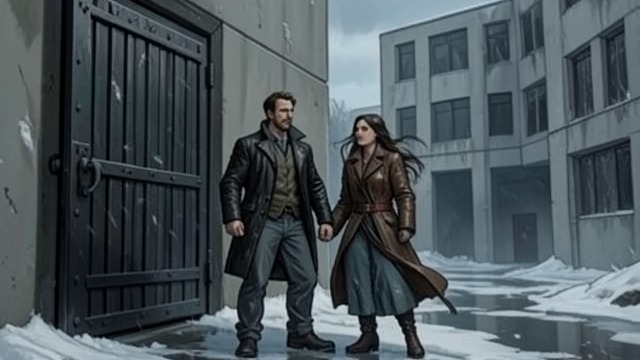
The Tent as Only Option
Housing closes off
The couple discover that campsite fees, poor credit, and limited council options leave them without a realistic indoor home. A tent becomes more attainable than a rental property.
Their choice is partly forced by circumstance, not merely a romantic preference for the outdoors. The route begins with the tent as their only shelter.
Learning to Camp Quietly
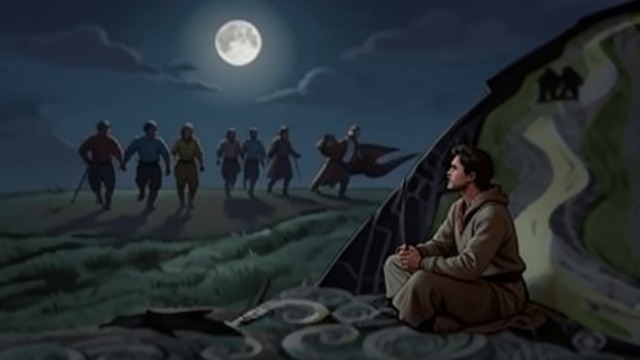
Learning to Camp Quietly
Rules meet necessity
Ray and Moth learn that wild camping is technically illegal in England and Wales and that good practice involves arriving late, leaving early, and leaving no trace. Their first camps do not always meet those standards.
They have to balance the need for sleep against the possibility of being discovered or moved on. Camping becomes a skill learned through mistakes and discomfort.
The Coast as Bedroom
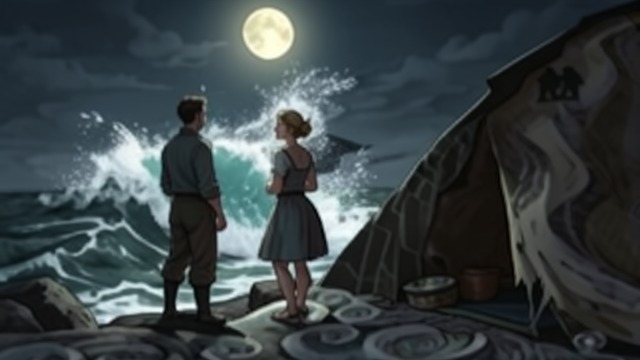
The Coast as Bedroom
Improvised spaces become routine
The couple pitch on headlands, in fields, beside streams, and in sheltered corners. Their tent rituals gradually make unfamiliar sites feel recognizable, even when the ground is cold or uneven.
The repeated routine gives them a portable sense of safety. It also exposes them to weather, tides, animals, and the judgments of people who believe they should not be there.
A City Night Without a Tent
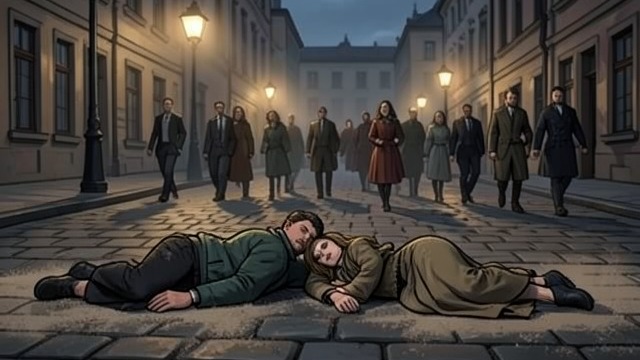
A City Night Without a Tent
Exposure among people
Unable to reach their intended campsite, Ray and Moth spend the night in Plymouth without putting up their tent. They sleep on the ground among street lights, voices, and other people bedding down nearby.
The experience feels more threatening to Ray than wild camping on a cliff. It reveals that shelter is not only about weather; location and social vulnerability matter too.
Camping as a Learned Practice
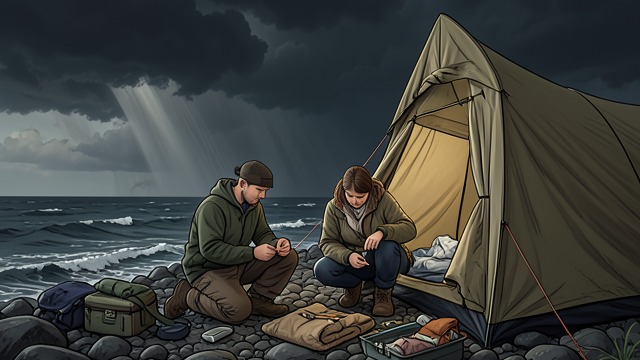
Camping as a Learned Practice
From accident to skill
After many nights, the couple become better at choosing concealed, level sites, managing damp gear, and leaving little trace. They still make mistakes, but camping no longer feels wholly unfamiliar.
The skill brings a limited sense of control to homelessness. Their temporary shelter is fragile, yet they know how to make it work through many conditions.
During the search for shelter after leaving Wales
During the opening stretch from Minehead
After crossing into North Devon
During the missed ferry in Plymouth
By the later coastal sections
